Online Reporter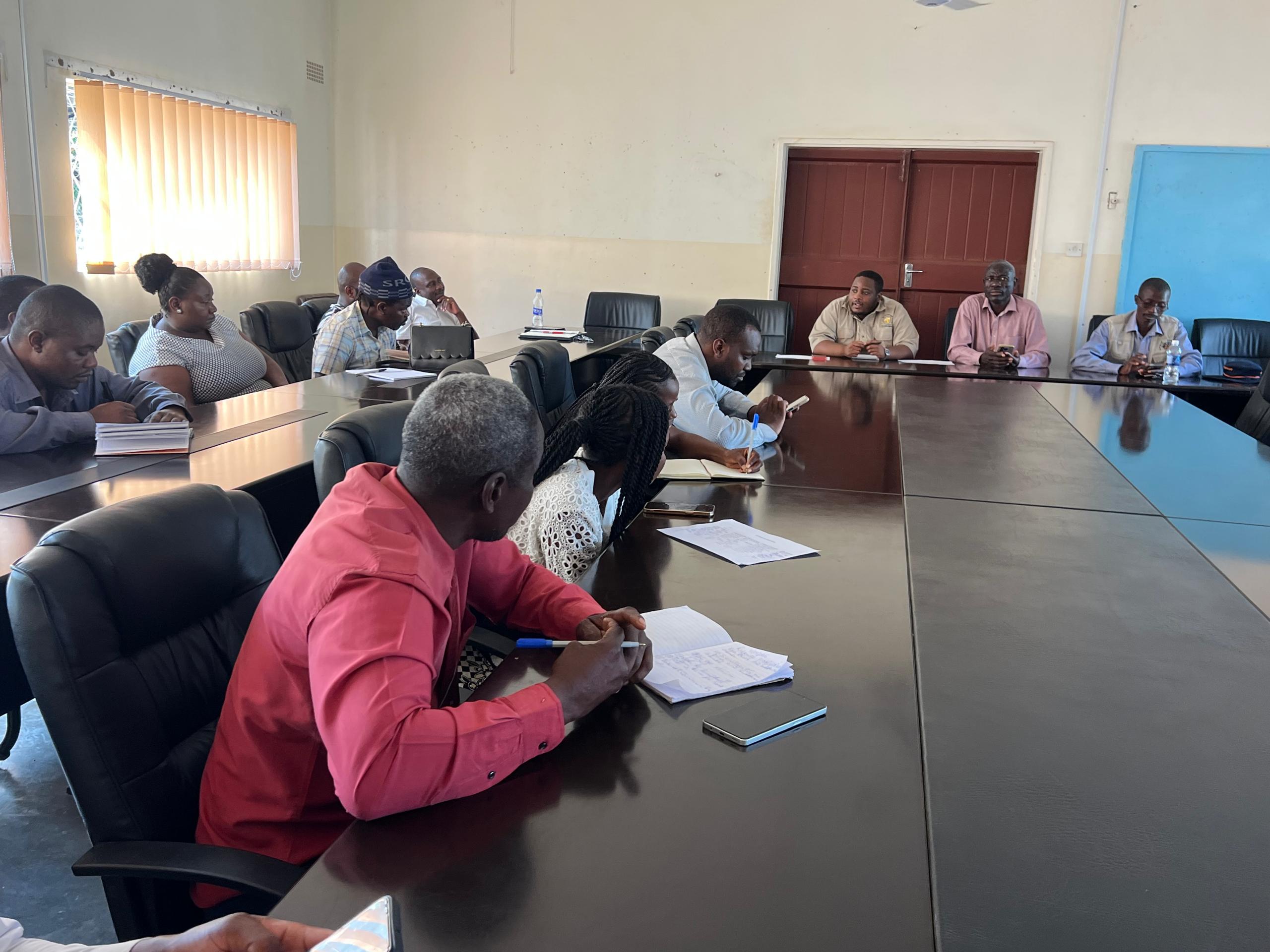
Sukulwenkosi Dube-Matutu [email protected]
Gwanda District’s drug and substance abuse resource mobilisation initiative will see the engagement of stakeholders contributing towards fighting the scourge from household level.
As part of their resource mobilisation strategy, stakeholders from the district have said contributions should come from households, civil servants, the business community, and other partners.
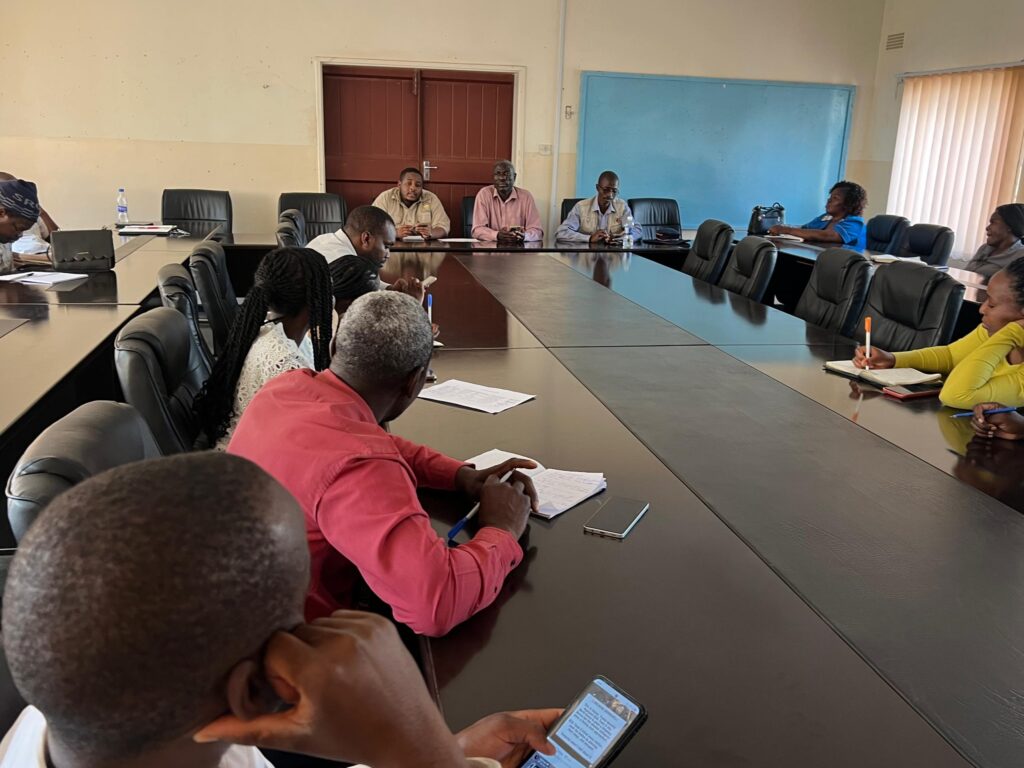
Speaking during a resource mobilisation meeting, the Principal Administrative Officer in the Office of the Gwanda District Development Coordinator, Mr Thulani Moyo, said the mobilisation strategy seeks to ensure that every stakeholder assumes ownership of the drug and substance abuse drive.
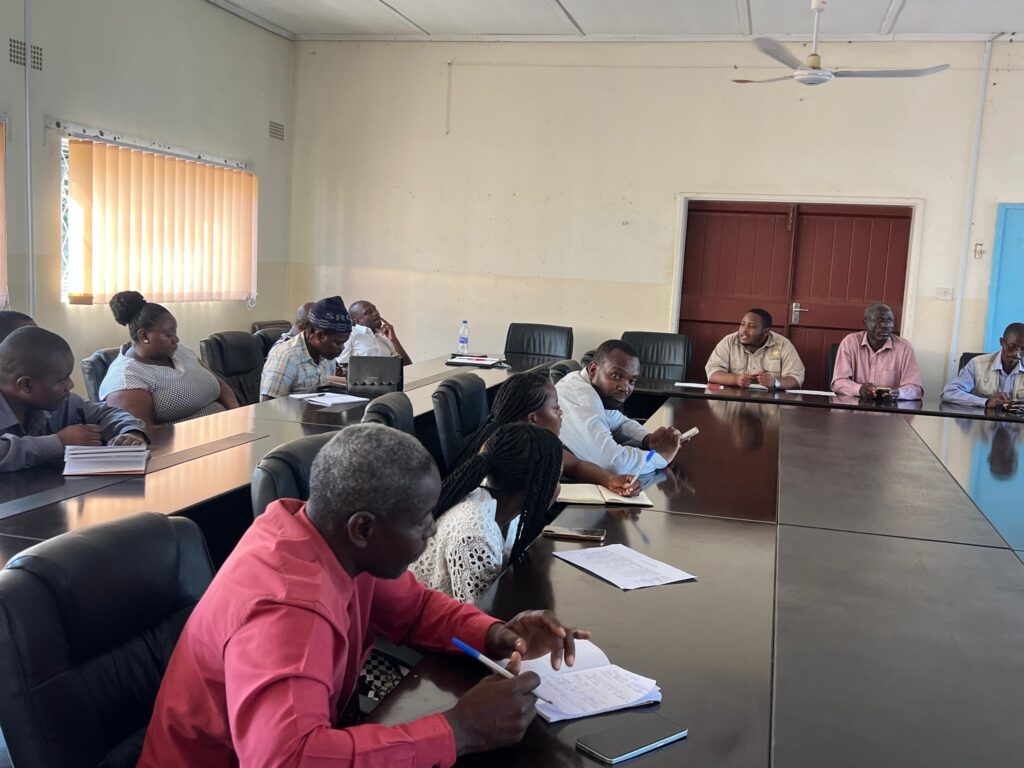
Gwanda District, which is one of Matabeleland South’s seven districts, has a target of US$36 000. Matabeleland South Province has set a target of US$280 000.
“The district has a target of US$36 000 for the drug and substance abuse fight. We have seen it prudent to have contributions start from household level. We will be engaging communities at household level so that they can contribute something. We want people to assume ownership of the drug and substance fight and we want everyone to participate in this cause.
“The impact of this scourge is being felt from household level. From household level we want workers from various sectors to also play a part as they are not spared from the scourge as well. We want everyone to understand the gravity of this matter and feel the urge to do something,” he said.
Provinces have been tasked to come up with strategies, among them raising funds towards the fight against drug and substance abuse, in a bid to tackle the growing scourge that has devastated communities across the country. This follows the national call to action by President Mnangagwa, who on 11 July 2025 launched the National Drug and Substance Response Resource Mobilisation Programme in Harare.
Government has set up a National Committee on Drug and Substance Abuse guided by seven pillars. The pillars focus on supply, demand, harm reduction, treatment, rehabilitation, legal frameworks, community reintegration and media strategies to ensure a holistic fight against the scourge.
The TB Centre in Gwanda Urban is set to be renovated to become a rehabilitation centre. Other activities that will be carried out using the funds include awareness campaigns, patrols, community empowerment projects, establishment of recreational facilities, and sporting activities, among others.
Government has already allocated ZWG$865 million to support the programme, with individuals, corporations and development partners being urged to play a critical role through donations and partnerships.
In 2021, Government adopted the National Drug Master Plan, which outlines a framework that includes reduction in supply and demand, promotion of harm reduction treatment, rehabilitation, and community reintegration. Despite these efforts, substance use among young people in Zimbabwe continues to rise alarmingly, pointing to the need for more than just a framework, but an action plan with comprehensive, responsive strategies.
In response to the escalating crisis, President Mnangagwa launched the Multisectoral Drug and Substance Abuse Plan (2024–2030). The plan aims to strengthen enforcement of anti-drug laws and disrupt drug supply chains while also providing for prevention, treatment, and rehabilitation services.
@DubeMatutu