Online Reporter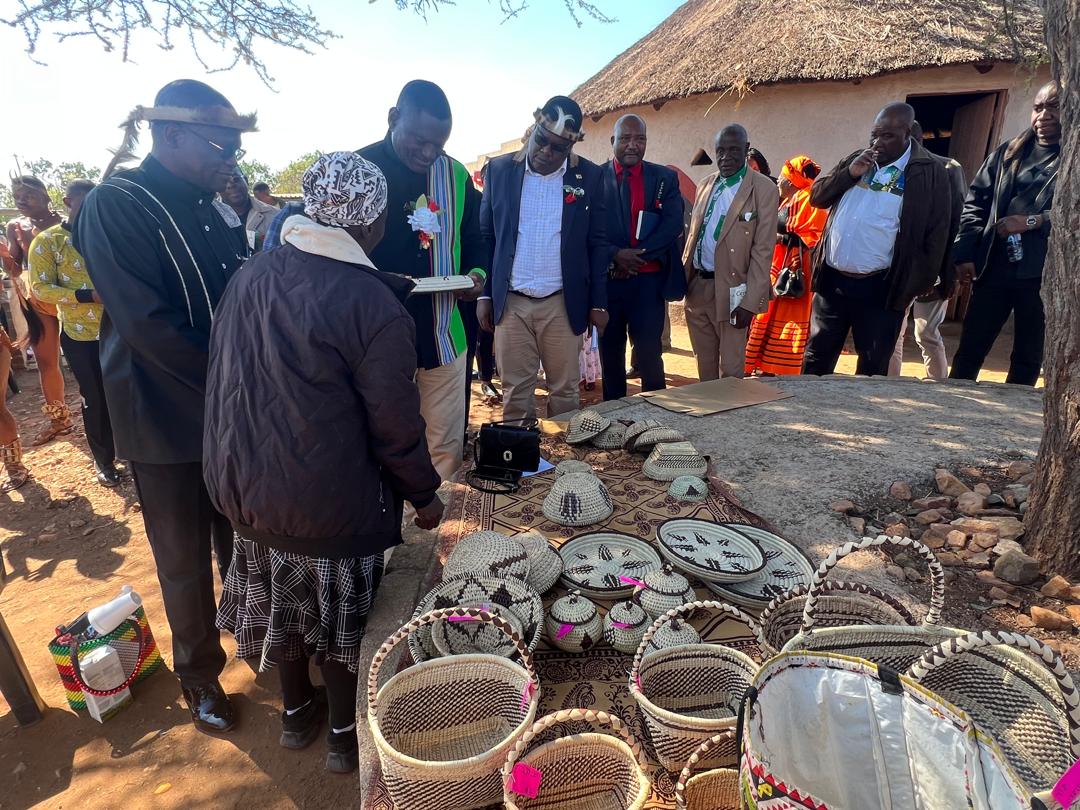
Sukulwenkosi Dube-Matutu, [email protected]
The Minister of State for Matabeleland South Provincial Affairs and Devolution, Albert Nguluvhe, has called for culture to be fully utilised as an economic pillar in line with Vision 2030.
Speaking at the first edition of the Gwanda Culture Festival held at Jahunda Culture Centre in Gwanda last Thursday, Minister Nguluvhe said there is a need to create more platforms where artists can showcase culture and earn income.
The event, organised by the Municipality of Gwanda, was held under the theme “Our Culture, Our Economy: Bridging Heritage and Prosperity Across the Trans-Limpopo Region.”
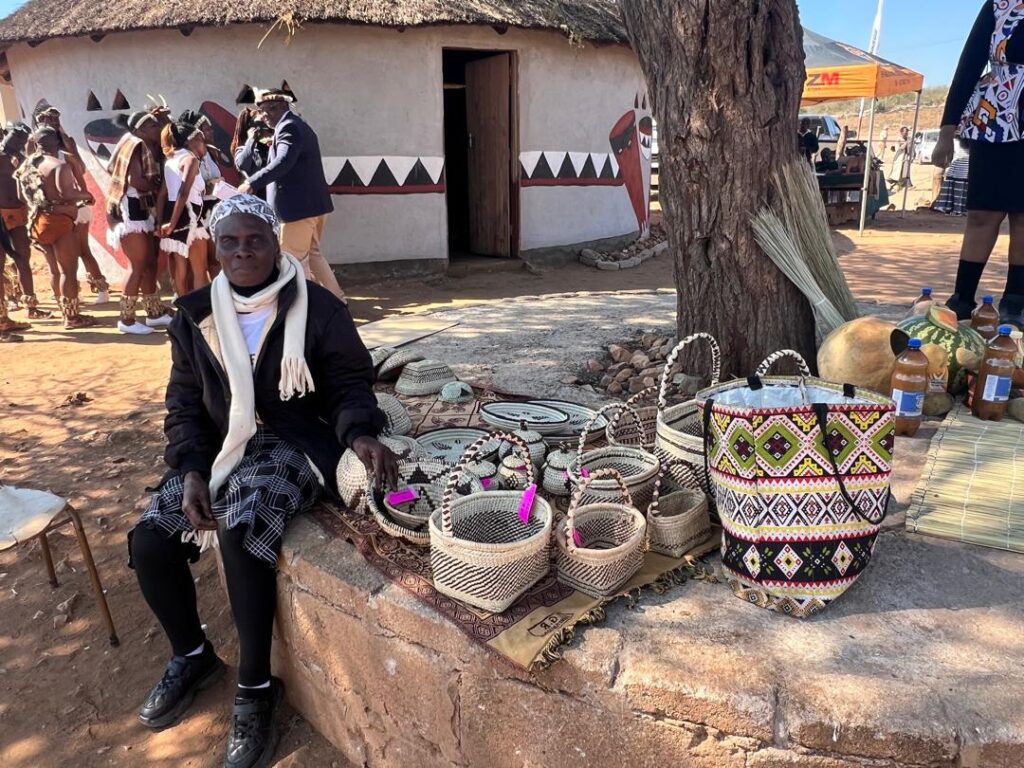
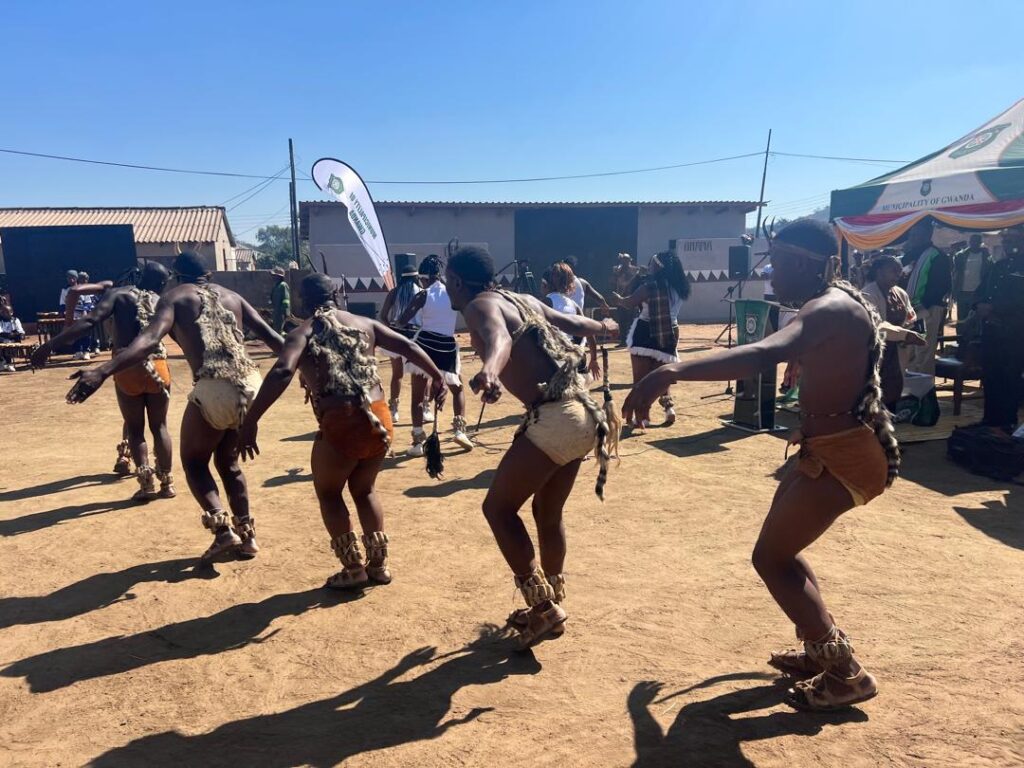
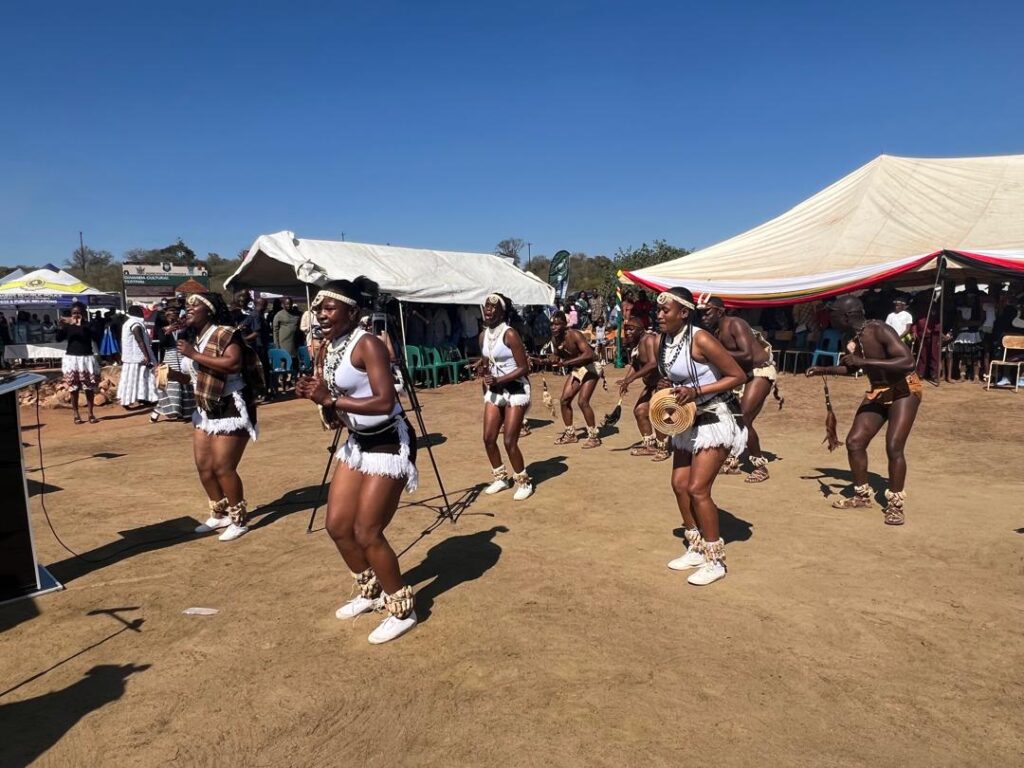
It brought together music, dance, art, food and storytelling to link cultural traditions with economic growth.
“As we celebrate under the theme ‘Our Culture, Our Economy’, let us be clear. This is more than a festival. This is a declaration that we refuse to let our heritage gather dust while our people struggle,” said Minister Nguluvhe.
“His Excellency President Mnangagwa has said our culture is our identity and our industry. Through the National Development Strategy 2, the Government has placed culture and the creative arts at the heart of our economic rebirth.”
Matabeleland South comprises seven districts and is home to Venda, Kalanga, Ndebele, Sotho, Shangani and Pfumbi communities among others. Speakers at the festival said the province’s strength lies in that diversity.
Minister Nguluvhe said artists should view culture as a gateway to prosperity.
He also noted that through the Trans-Limpopo Spatial Development Initiative, festivals can be used to showcase the region’s culture beyond Zimbabwe’s borders.
“Every artist performing today is an entrepreneur. Every craftsperson is an industrialist. Every storyteller is an educator and a marketer of our national brand,” he said.
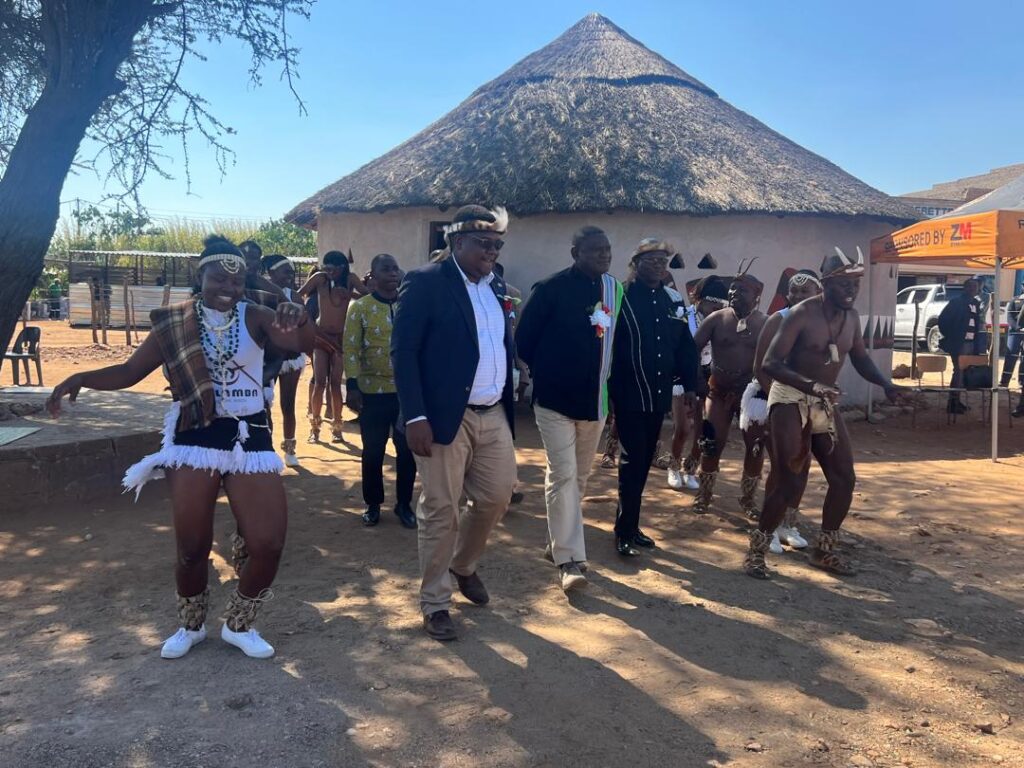
“This festival is a living workshop where heritage meets enterprise, where tradition fuels innovation, and where our past drives us toward a prosperous future.”
“By showcasing our cultural wealth, we are telling the world: Zimbabwe is open for business, and our greatest export is our soul.”
Minister Nguluvhe said platforms like the Gwanda Culture Festival can serve as marketplaces for ideas, forums for collaboration and tools for fostering unity.
He encouraged artists from Zimbabwe, South Africa, Botswana and other Trans-Limpopo countries to work together.
The minister also said the festival is an opportunity to market Gwanda Town, which is fast developing and playing a key role in cultural revival.
“Gwanda is becoming a magnet for talent, drawing artists from Bulawayo, Harare, South Africa and across the region. This is important for tourism and investment,” he said.
“To our private sector: invest in our artists, sponsor our events, and believe in the power of our creativity. To our traditional leaders: continue to guard our heritage and guide our youth. To our communities: attend, participate and take ownership. To our visitors: go home and tell the story of a Gwanda that welcomed you.”
National Arts Council of Zimbabwe Matabeleland South provincial arts manager, Mr Percy Vela, described the province as a “rainbow province” rich in cultural practices that can be showcased through art.
“Celebrating cultural diversity enables our different ethnic groups to be socially connected and integrated through arts and culture,” said Mr Vela.
“Dance, music, film, theatre, visual arts, literature, poetry and comedy can all be turned into viable commercial products.”
He said arts and culture are key to inclusive economic growth, reducing inequalities and meeting the goals of the 2030 Sustainable Development Agenda.
“Unity is our weapon, diversity is our strength and prosperity is our destination,” he said.
Gwanda Town Clerk, Ms Priscillah Nkala, announced that the Gwanda Culture Festival will now be held annually.
“The Trans-Limpopo Region has always been a bridge of trade, languages and families. Now we are using it as a bridge for cultural and economic opportunity,” she said.
She reaffirmed the council’s commitment to supporting cultural industries, creative entrepreneurs and regional partnerships that turn heritage into sustainable prosperity.
Festival-goers experienced performances in Venda, Kalanga, Ndebele, Sotho, Shangani and Pfumbi languages, traditional dishes, crafts, and exhibitions that reflected the identity of each community in Matabeleland South.
Organisers said the goal is to ensure heritage is not only preserved but also contributes directly to jobs, tourism and local business growth.