Online Reporter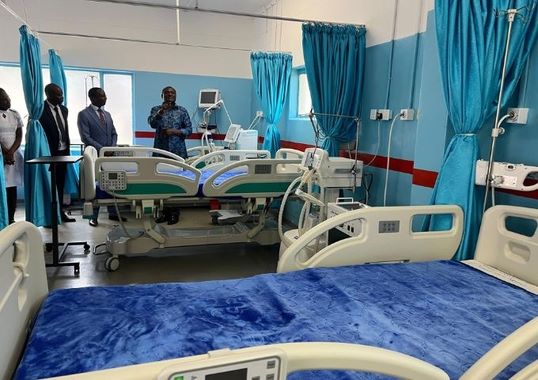
Sukulwenkosi Dube-Matutu, [email protected]
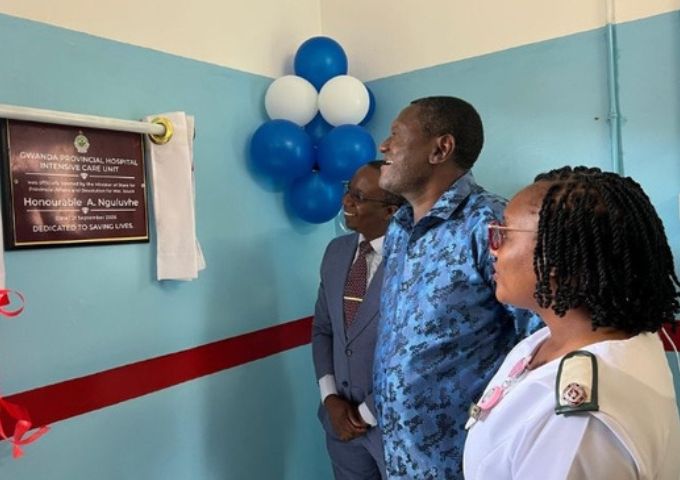
GWANDA Provincial Hospital has opened an Intensive Care Unit (ICU) and commissioned four dialysis machines, bringing critical care and renal treatment closer to patients in Matabeleland South who previously had to travel to Bulawayo for specialised services.
The developments are expected to strengthen the hospital’s capacity to manage critically ill patients and expand dialysis access, with the number of patients receiving renal treatment projected to increase from 10 to 50.
The ICU project was initiated by the Government during the Covid-19 pandemic but stalled afterward due to funding constraints. The hospital administration subsequently completed the project using institutional funds.
The four dialysis machines were acquired through a public-private partnership.
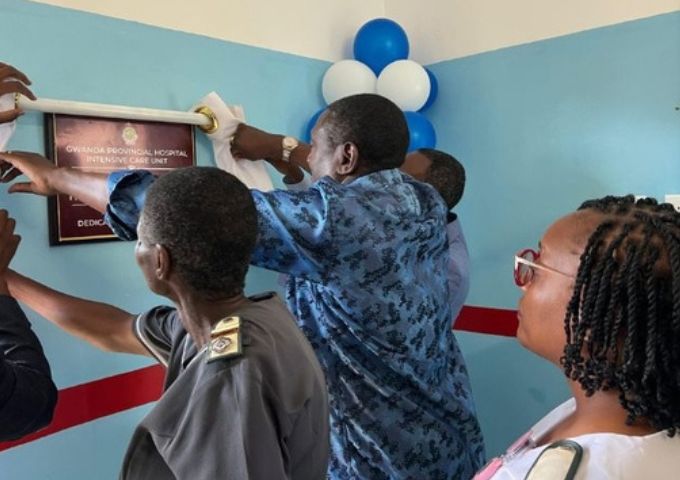
Speaking on Monday during the official opening of the ICU and commissioning of the dialysis machines, Minister of State for Matabeleland South Provincial Affairs and Devolution Albert
Nguluvhe said the developments were practical outcomes of the devolution agenda and the National Development Strategy 2 (NDS2), which prioritises access to quality healthcare.
Minister Nguluvhe commended the Ministry of Health and Child Care for prioritising Gwanda Provincial Hospital under the national health infrastructure upgrade programme, as well as the private sector for supporting the development of the health sector.
“Today marks a significant milestone for Matabeleland South Province as for many years, our people have faced the painful reality of travelling long distances to Bulawayo or even Harare to access critical care and dialysis services,” he said.
“The opening of the intensive care unit and the commissioning of the dialysis machines for the renal unit brings life-saving services closer to the people.”
Minister Nguluvhe said the developments reflected President Mnangagwa’s vision of leaving no one and no place behind, while contributing to the country’s aspiration of becoming a prosperous and empowered upper-middle-income society by 2030.
“This achievement speaks directly to the vision of His Excellency, the President of the Republic of Zimbabwe, Dr E.D. Mnangagwa of ‘leaving no one and no place behind’.
“We witness today the practical fruits of devolution and the National Development Strategy 1 and now NDS2, which prioritises access to quality health care as a fundamental human right. It also contributes to our aspiration of building a prosperous and empowered upper middle income society by 2030,” he said.
Minister Nguluvhe said the fully equipped ICU would strengthen the hospital’s emergency preparedness and response capacity, enabling it to manage patients with severe trauma from road accidents, childbirth complications and other serious medical conditions.
He said the commissioning of the dialysis machines was equally significant, as it would reduce the burden on patients who previously had to travel outside the province for treatment.
“Chronic kidney disease will now be treated here at the provincial hospital, our people will stop travelling to Bulawayo seeking treatment, a burden many could not sustain.
“By establishing dialysis services here at Gwanda, we are restoring dignity, reducing catastrophic health expenditure for families, and giving our people a chance to live productive lives while receiving treatment in their own province,” said Minister Nguluvhe.
Matabeleland Provincial Medical Director Dr Andrew Muza said the establishment of the ICU and expansion of the renal unit would improve the hospital’s ability to provide specialised healthcare services.
He said the hospital had identified four priority specialised services: intensive care, dialysis, CT scanning and echocardiography.
Dr Muza said the acquisition of the four dialysis machines would increase the number of patients who could access treatment from about 10 to 50.
“Prior to the hospital operating one dialysis machine which was donated to the institution about five years ago, this was limiting the number of clients we could offer dialysis services to only around 10. For years we have not been taking any new client,” he said.
Dr Muza said the old machine frequently broke down, affecting service delivery and forcing some patients to travel to Bulawayo for treatment.
“The machine has become old and was constantly breaking down, which was affecting service delivery. A number of clients who need the service were being turned down and travelling all the way to Bulawayo.
“With the coming in of the new machines, we now have the capacity to increase the number of clients up to 50,” he said.
Dr Muza said the ICU project had started during the Covid-19 period as a Government initiative but had stalled because of limited funds before being completed this year.
“Previously all clients who require ICU were being transferred to Bulawayo,” he said.
Ms Prisca Zhou (34), a dialysis patient, welcomed the acquisition of the new machines, saying the development would provide relief to patients who require regular treatment.
She said the increased capacity would enable her to undergo all her dialysis sessions at the hospital.
The opening of the ICU and expansion of dialysis services aligns with the Government’s efforts to strengthen health infrastructure, improve access to specialised treatment and advance universal health coverage.