Online Reporter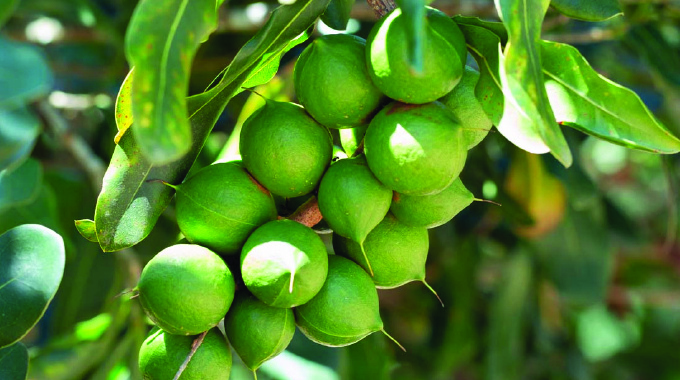
Martin Kadzere, Zimpapers Business Hub
Zimbabwean macadamia nut farmers are facing one of their worst seasons in years, severely crippled by a combination of predatory pricing by middlemen and adverse weather conditions, according to the association representing the farmers.
This comes as the producers are also facing challenges securing critical agricultural loans due to a lack of collateral.
Macadamia is a key export earner for Zimbabwe.
The Southern African nation exported horticultural goods worth US$11,62 million to China, with macadamia nuts leading the charge.
With export protocols for citrus, avocados and blueberries with China having been finalised, including Beijing’s zero-tariff treatment for 53 African countries, including Zimbabwe, effective May 1, 2026, Zimbabwe’s high-quality horticultural produce is poised to reach more Chinese consumers.
Global market prices have since plummeted to as low as US$0,70 per kilogramme — down from previous highs of between US$1,20 and US$1,70 per kg — a trend that has persisted since the end of the Covid-19 pandemic.
Growers had anticipated higher farmgate prices following China’s removal of import tariffs on Zimbabwean agricultural exports, but middlemen have cut offers, claiming their principal international off-takers have stopped purchasing, Mr James Maisiri, technical advisor to the Macadamia Association of Zimbabwe — which represents over 500 growers — said in an interview.
“We had a very bad season . . . the worst ever season since we started macadamia farming,” Mr Maisiri said.
Flowering occurs from August to September, as trees bloom in late winter to early spring.
Nuts grow and accumulate oil over 30 to 31 weeks across the warmer months (spring-summer).
Macadamia nut harvesting typically runs from March through August in the Southern Hemisphere.
In addition to market disruptions, producers suffered severe agronomic setbacks.
Severe dry spells and a heatwave starting in October triggered widespread fruit drop. Subsequent rains between December and February induced a secondary flowering cycle on the same trees, producing mixed crop grades.
The resulting uneven maturation complicated harvesting and grading processes, ultimately compromising the overall quality of the harvest.
“The irregular rainfall pattern created an agronomic nightmare where trees held two different stages of fruit at the same time,” Mr Maisiri explained.
“Because late rains induced a secondary flowering cycle, farmers were forced to harvest mixed grades from single trees. The uneven maturation made uniform grading nearly impossible and dragged down the market value of the entire yield at a vital point in the season.”
The setback comes at a crucial juncture in the crop cycle.
The macadamia season typically begins in August, when trees start blooming and require substantial applications of water, chemicals, and fertilisers. However, squeezed by depressed prices and abandoned by traditional buyers who previously provided input sponsorships, many farmers are unable to finance the necessary inputs.
Mr Maisiri — whose association represents over 500 farmers across the Chipinge, Chimanimani, Mutasa and Nyanga districts — said that financial institutions remain reluctant to extend credit to growers due to a lack of collateral security.
In response, the association has appealed to the national trade development and promotion body ZimTrade and the Agricultural Marketing Authority for urgent assistance in opening direct export markets and eliminating intermediary buyers.
“We have previously engaged them with little success, but it is our hope that we can work together with them to help improve the viability of the farmers,” Mr Maisiri said.
Macadamia nut production was introduced to Zimbabwe in the early 2000s as a high-value export crop, primarily centered in the fertile, high-rainfall regions of the Eastern Highlands, including Chipinge and Chimanimani.
Traditionally dominated by large commercial estates, the sector gradually expanded to 500 smallholder, A1 and A2 farmers seeking alternatives or supplements to traditional cash crops like tea, coffee, and tobacco.
Despite favourable agro-ecological conditions that produce high-quality nuts, Zimbabwe’s macadamia sector remains heavily exposed to market volatility. The country lacks large-scale domestic processing and cracking infrastructure, forcing farmers to export nuts raw and in-shell.
The lack of processing capacity leaves smallholder growers reliant on intermediary traders to access primary buyer markets in East Asia—predominantly China—and South Africa, leaving the local sector highly vulnerable to global price fluctuations and supply chain disruptions.