Sukulwenkosi Dube-Matutu [email protected]
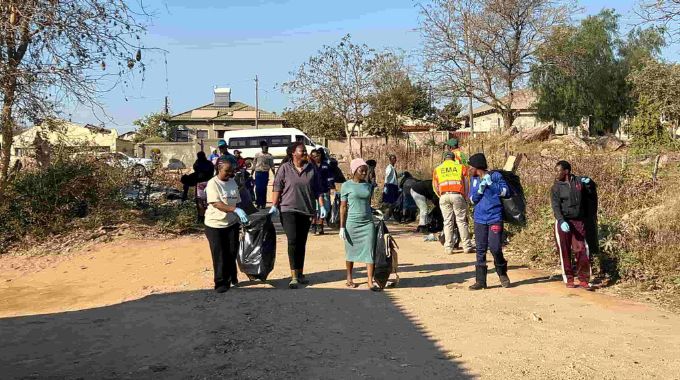
GWANDA Municipality has introduced a weekly clean-up campaign across the town’s wards as it steps up efforts to tackle littering, improve public health and create a cleaner environment capable of attracting investment.
The initiative, to be coordinated by councillors in their respective wards, seeks to complement the monthly National Clean-Up Day and the Zero Waste Management Movement by encouraging residents and businesses to make cleanliness a daily responsibility rather than an occasional exercise.
Gwanda mayor, Alderman Thulani Moyo, said the municipality was also working to acquire street-sweeping machines and additional bins while strengthening refuse collection to support the campaign.
The initiative comes as local authorities face growing pressure to improve waste management and maintain clean public spaces, particularly in business centres where litter can undermine the town’s appearance and pose health risks.
Ald Moyo said the weekly campaign was intended to instill a culture of cleanliness among residents while mobilising businesses and other stakeholders to take responsibility for their surroundings.
“In addition to the monthly National Clean-Up and the Zero Waste Movement at local level, we have introduced the mayor’s weekly ward clean-up campaign, which is a comprehensive clean-up exercise,” he said.
“This is to inculcate a spirit of cleanliness among residents and to make cleaning our environment and surroundings a daily habit.
“If everyone could adopt this initiative, then we could achieve a clean and smart town. We have informed stakeholders of this weekly clean-up initiative.”
Ald Moyo said the local authority was also working on acquiring street-sweeping machines and more street bins.
“We’re also working on ensuring effective collection of refuse. Maintaining a clean town is essential not only for public health but also for creating an environment conducive to business and investment,” he said.
The mayor expressed concern over littering in shopping centres, including areas where food is prepared and sold. He urged business operators to keep their premises and surrounding public spaces clean.
Ald Moyo said residents, business operators and other stakeholders should regard waste management as a collective responsibility rather than leaving the task entirely to the municipality.
“As we move ahead with the spirit of building our nation, let’s adopt a culture of cleanliness and ownership of the state of our environment as its state has a significant impact on our well-being and livelihoods. If our environment isn’t clean, then this will lead to diseases and if people are ill, then this affects productivity,” he said.
Ald Moyo urged residents to desist from littering and adopt waste management for a better outcome.
“If our town is dirty, then we can lose out on investment opportunities. His Excellency President Mnangagwa has said ‘ilizwe lakhiwa ngabanikazi balo’, and therefore let’s build our town through cleanliness,” he said.
The weekly clean-up campaign builds on the National Clean-Up Day, established by President Mnangagwa in 2018, which designates the first Friday of every month for nationwide clean-up activities.
The programme calls on individuals, businesses, schools, churches and other institutions to clean their surroundings as part of broader efforts to promote a clean, safe and healthy environment. The initiative also complements the Zero Waste Management Movement championed by First Lady Dr Auxillia Mnangagwa, which promotes waste reduction, reuse and recycling to minimise the amount of waste sent to dumpsites and landfills.
Zimbabwe’s adoption of these initiatives reflects a shift towards sustainable waste management, with an emphasis on reducing pollution and encouraging communities to take greater responsibility for their environment.
The campaign also resonates with the Second Republic’s development agenda, which places importance on environmental protection, improved public service delivery and the development of clean, orderly communities that support economic activity.