Online Reporter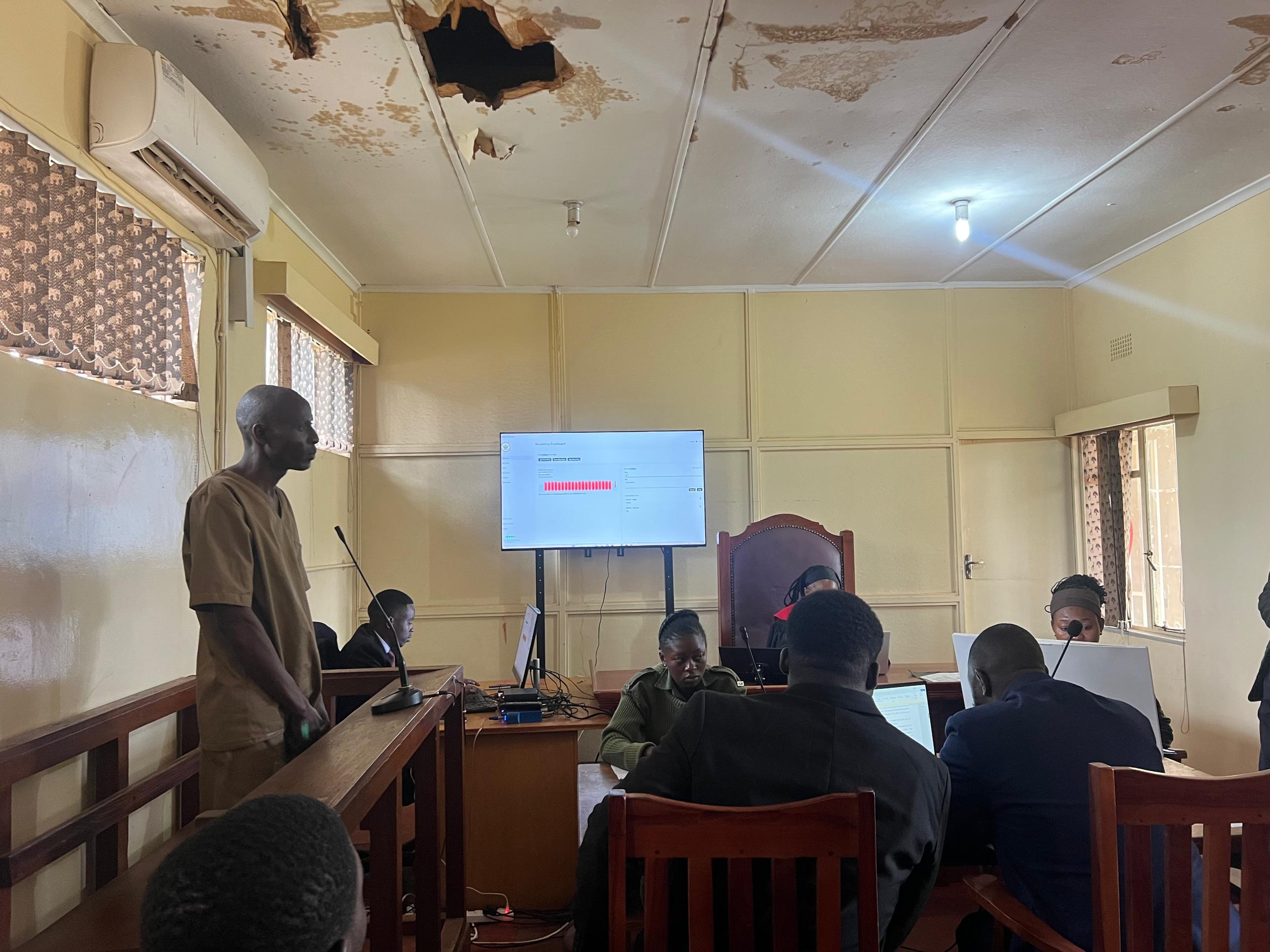
Sukulwenkosi Dube-Matutu
[email protected]
GWANDA Magistrate’s provincial and regional courts transitioned to a digital system yesterday as part of the fourth phase of the Integrated Electronic Case Management System (IECMS) rollout across the country.
The process involved clients creating accounts with assistance from IT specialists and court officials to access the new platform. The provincial court held its first visual court session, where some accused persons appeared virtually from Gwanda Prison. Meanwhile, the regional court conducted sessions with State papers and exhibits filed electronically and displayed on a screen for all participants to view.

In a statement, the Judiciary Service Commission highlighted that the system will not only accelerate judicial proceedings but also provide vital data analytics to support policy and decision-making.
“Today marks a significant milestone in the ongoing transformation of the judicial system in Zimbabwe as we officially launch the digitalisation of all 16 magistrates’ courts in Matabeleland South and Masvingo provinces. This initiative is being implemented under Phase 4:2 of the Integrated Electronic Case Management System (IECMS), aimed at enhancing the efficiency, transparency, and accessibility of justice.
“The transition to a digital framework is a pivotal step towards modernising our courts. The IECMS will streamline case management processes, reduce delays, and ensure that court records are maintained in a secure and accessible manner. This system will not only improve the speed of judicial proceedings but also provide vital data analytics that will aid in policy and decision-making,” reads the statement.
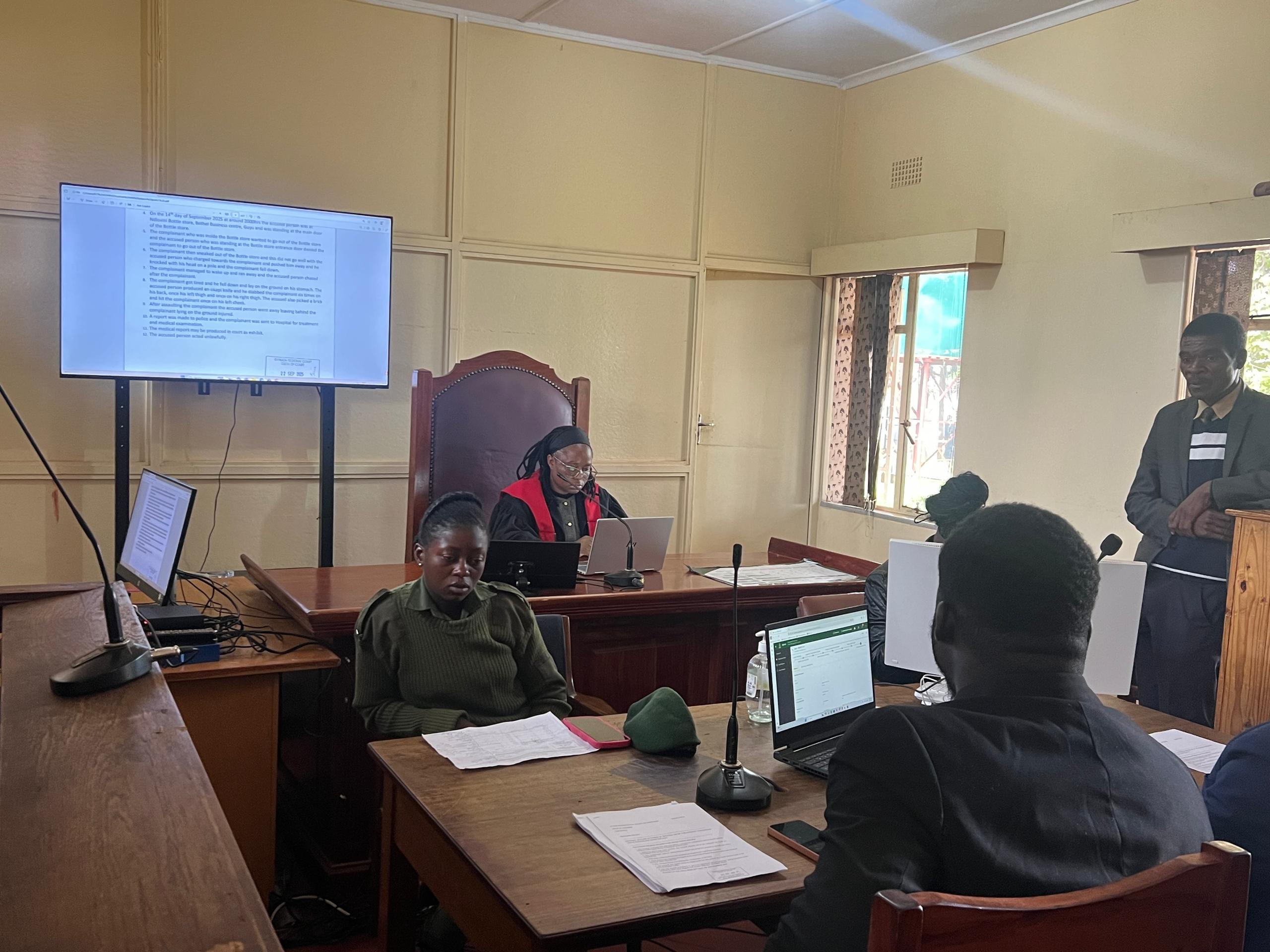
The digital system is expected to curb corruption through increased transparency. Being paperless, it will eliminate printing and photocopying costs. Travel expenses will also be lowered, as some civil court sessions will be conducted virtually. The system saves time and enhances communication.
“On the IECMS platform, court users will receive updates on the development of each case via email or text message. For a lawyer to register, they must be cleared by the Law Society of Zimbabwe, ensuring that bogus lawyers are excluded. More importantly, the public will benefit from e-payment of fees, e-filing of case documents, online case tracking, virtual court hearings, and access to judgements,” the statement adds.
@DubeMatutu