mbulelo smpofu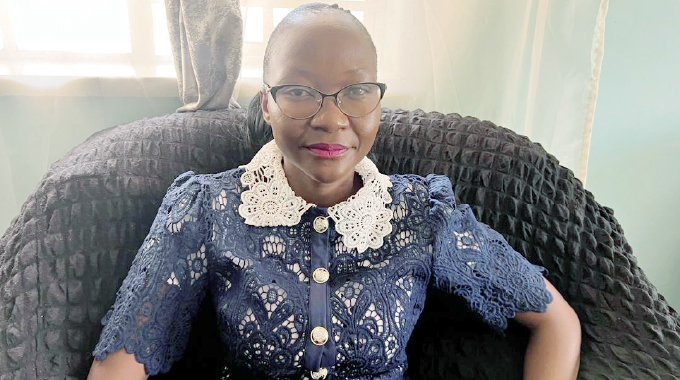
Sukulwenkosi Dube-Matutu, Matabeleland South Bureau Chief
WITH the adverse effects of climate change worsening each year, communities have been left in despair as their livelihoods are greatly affected.
As part of efforts to cushion communities against the effects of climate change, the Government has established disaster risk reduction structures from national level down to grassroots level.
Gwanda District in Matabeleland South Province is set to roll out a Disaster Risk Reduction (DRR) training programme in all its 24 rural wards as part of efforts to equip communities with knowledge to identify, mitigate, prepare for and respond to disasters.
The district has DRR committees at village and ward level. The committees help communities respond more effectively in the aftermath of disasters such as drought, floods, storms, lightning fires, shortage of water, climate stressors, epidemics and diseases, livestock diseases, drugs and substance abuse, road traffic accidents and mine accidents, among others.
Through their committees, the villagers have devised methods to prevent some of these disasters from occurring, reduce their impact and educate communities on the prevention of disasters.
The district last year revised its Disaster Risk Reduction (DRR) plan, in response to the growing threat of climate change and to ensure that it reflects current statistics and ward boundaries.
The plan incorporates three documents, namely the district’s disaster risk profile, disaster risk mitigation and adaptation plan and the district’s emergency response plan.
In an interview, Gwanda District Development Co-ordinator, Ms Nomathemba Ndlovu said following a review of their DRR plan last year they are now going a step further to capacitate DRR committees. After the training, each ward will be expected to come up with an active DRR plan. She said this is expected to limit the adverse effects of natural hazards.
“We now have a DRR plan at district level but implementation is done at ward level hence the need to train DRR committees at community level. All 24 wards will be covered. These trainings will cascade down to village level.
DRR committees play a crucial role in the implementation of the disaster risk reduction plan, which is a strategy that helps the district to remain up-to-date with possible disasters and plan accordingly to minimise their effects.
“As a District Civil Protection Committee, we can’t be present on the ground at all times hence the DRR committees play a crucial role in preventing, identifying and reporting disasters. They educate community members, identify possible disaster threats, make referrals and report disasters. We have also engaged the DRR committee members to make sure that they are visible within their communities,” she said.
Ms Ndlovu said during training, participants would be capacitated with knowledge on climate smart agriculture, livelihoods, disaster mitigation and prevention, water harvesting and water logging among other disaster related issues.
The ward DRR plans will be used to identify potential hazards and develop strategies to mitigate the risk in each community.
Ms Ndlovu said the ward plans would feed into the district’s disaster risk mitigation and adaptation plan and the district’s emergency response plan.
The DRR plan aims to build resilience and ensure a swift recovery, as well as to guide the district towards a more sustainable and disaster-resistant future.
Zhokwe Village DRR committee chairperson, Ms Simelele Ngulube said having a DRR structure in their area has brought significant change and development to the area.
She said the DRR committee plays a crucial role in educating their community on the importance of adhering to environmental regulations to prevent some disasters.
Ms Ngulube said frequent trainings and capacitation programmes help to keep them abreast with prevailing disasters.
She said the committees have helped to provide a more effective reporting system within communities.
Ms Ngulube said villagers have adapted as they are now quick to report when disasters occur. “Some disasters have been prevented from occurring and people have changed their mindsets. As a community, we no longer want to be begging for assistance all the time after disasters, but to take charge of safeguarding our livelihoods. Villagers know about the committee and when disasters strike, they report to the nearest committee member. Some reports are sent via text messages, phone calls, or WhatsApp messages,” she said. Ms Ngulube said the village committee reports to the ward structure, which then relays the message to the District Civil Protection Committee.
Chief Masuku from Gwanda District said training committees and capacitating them to take charge of their own development is crucial in eliminating a dependency syndrome.
“Government has made significant strides to eliminate a dependency syndrome among communities. Such an initiative of having communities involved in disaster risk reduction strategies is crucial in cushioning communities that have been severely affected by the effects of climate change. Communities have also been extensively educated on climate change issues and the role they can play,” he said.
Gwanda District is vulnerable to various hazards such as prolonged dry spells, floods and unpredictable weather. It is also affected by public health emergencies, environmental degradation and technological hazards, among others.
The district also faces public health emergencies such as epidemics, diseases and drug and substance abuse.
Livestock diseases also pose a challenge to community livelihoods and possible transmission to people. Gwanda District is also affected by environmental degradation and technological hazards such as mining accidents and road traffic accidents. – @DubeMatutu.


 Online Reporter