mbulelo smpofu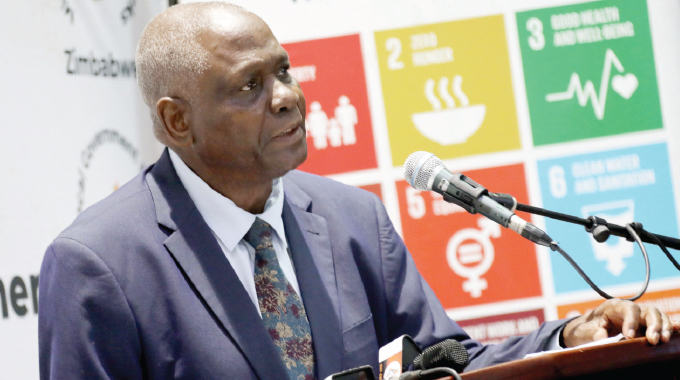
Fairness Moyana, Hwange, Sunday News Correspondent
TRADITIONAL leaders in Zimbabwe have called for a review of the fines imposed on individuals who damage wetlands, stating that more deterrent measures are necessary to protect the vital ecosystems.
Several wetlands are facing threats from agriculture, urbanisation, housing development and mining activities prompting Government agencies to implement various interventions to address these issues and conserve Zimbabwe’s wetlands.
Speaking during the belated World Wetlands Day celebrations at Kasibo Primary School in Hwange district, the President of the Chiefs Council, Senator Chief Mtshane Khumalo, emphasised the need for stronger fines to deter environmental crimes.
“As traditional leaders in Zimbabwe, we urge a review of the level of fines imposed on individuals who reclaim, drain, or disturb wetlands without authorisation. We need deterrent measures to discourage citizens from degrading our wetlands,” he said.
Senator Chief Mtshane also highlighted the importance of traditional leaders drafting bylaws in consultation with Rural District Councils to address environmental offenses under their jurisdiction.
He suggested documenting and publicising offenses and penalties to community members to promote awareness and education.
The President of the Chiefs Council emphasised the significance of preserving natural resources for future generations through sustainable utilisation.
“Traditional leaders are custodians of our natural resources, and it is our duty to foster their use and conservation. We must work towards balancing human needs with the preservation of our wetlands for the benefit of present and future generations.”
The Traditional Leaders Act, Chapter 29, empowers traditional leaders with the responsibility of safeguarding and protecting the environment in their areas of jurisdiction.
Senator Chief Mtshane applauded the community of Kasibo for restoring their wetland, which led to the creation of the Integrated Catchment Management Project, including a garden, fish pond, freshwater and apiculture.
He highlighted the importance of nature-based solutions in promoting biodiversity, adapting to climate change and mitigating its impacts.
He also underscored the significance of Indigenous Knowledge Systems (IKS) in natural resource management, preservation and education.
“Traditional leaders are custodians of Indigenous Knowledge Systems, which is vital for local level decision-making. However, we need to recognise its value and utilise it more effectively to address environmental challenges.”
Zimbabwe is preparing to host the upcoming Conference of Parties (COP15) to the Convention on Wetlands, which will take place in Victoria Falls from July 23 to 31.
The country is home to several Ramsar-designated wetlands, including Victoria Falls, Driefontein and Lake Chivero.
Wetlands play a crucial role in mitigating climate change by absorbing and storing carbon dioxide, a key greenhouse gas contributing to climate change.
They provide numerous benefits, including carbon sequestration, flood control, water filtration and are a habitat for biodiversity.
The commemorations stressed the need for the communities to work for the conservation and restoration of these critical ecosystems.



 Online Reporter