Chronicle Editor
Sukulwenkosi Dube-Matutu, Chronicle Reporter
AFTER realising that many income-generating groups were into goat rearing, poultry, baking, gardening and other common projects and few were into rabbit breeding, it was easy for two Gwanda women to choose their venture.
They are running a successful rabbit breeding project which has seen their colony grow up to 40 rabbits.
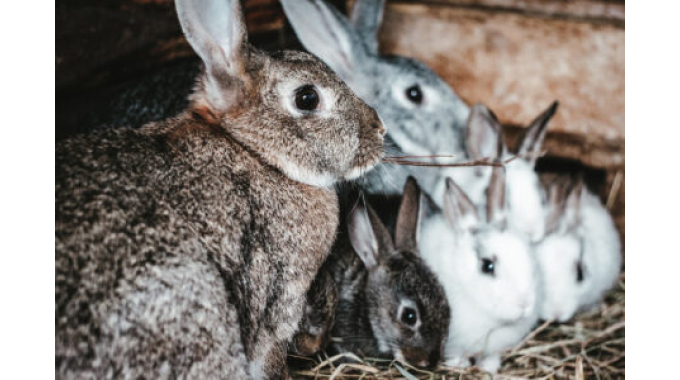
Ms Mavis Sibanda (54) and Ms Joyce Mpande (60) both from Wabayi Village in Ward 6 started their project in September last year with four rabbits.
They used money which they had raised through their money lending and savings club called Siyazenzela Club.
In February their colony had grown to 20 rabbits. They sell each rabbit at between R50 and R100 depending on its size.
Their customers are mainly villagers from surrounding areas.
Ms Sibanda said they decided to start the project after they received training from a local organisation, Hand in Hand Zimbabwe on rabbit breeding.
“Hand in Hand Zimbabwe came to our area and conducted a training on rabbit breeding.
I developed a liking for the project and so did my counterpart and that’s when we decided to embark on the project together.
We were part of a village savings and lending project and we decided to combine our money that we had made through the project,” she said.
“We bought four rabbits at a total cost of R400.
We bought building material and engaged a builder who constructed a rabbit house for us.
We also bought some rabbit pellets and that’s how our project started off. We now have 40 rabbits that are at difference stages.”
She said they sell their largest rabbits for R100.
The two women decided to engage in the project after realising a market gap.
She said it was their desire to find a market where they could supply rabbits in bulk.
Ms Mpande said the training they received from Hand in Hand Zimbabwe has helped them with the relevant expertise on how to successfully breed their rabbits.

She said they were taught that a rabbit house had to be built more than a metre from the ground in order to keep out predators such as a dogs and snakes.
The net wire which they used for their rabbit house has small holes.
Ms Mpande said when choosing a site to place the rabbit house one has to select a safe place.
“We were taught that the safety of our rabbits should be a priority.
When we built our rabbit house, we identified a safe spot which predators couldn’t access easily.
The rabbits also have to be kept in a comfortable and dry place.
We use dry grass for their bedding.
On the floor which is made from concrete we left some small holes that serve as a drainage system for urine.
We also clean the rabbits houses every day and feeding them is also critical to their growth,” she said.
Ms Mpande said they keep their rabbits in different compartments according to their size and sex.
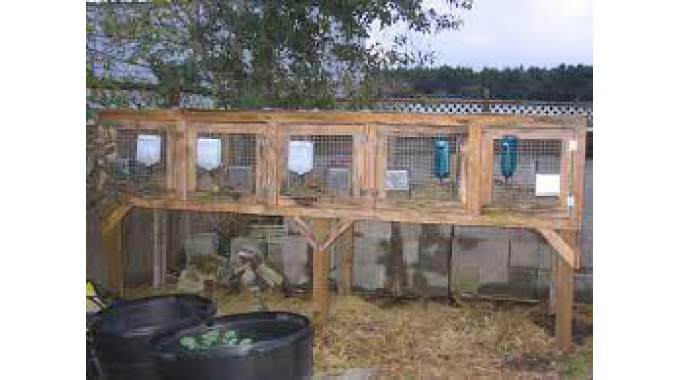
She said rabbits that are expecting are housed alone and after they give birth they are not mixed with others until their kittens have grown.
Ms Mpande said after mating a female rabbit delivers after 30 days.
She said each female rabbit can give birth to up to 10 kittens in one pregnancy.
Ms Mpande said it was also important to monitor expecting rabbits.
“We take the female rabbits and mix them with the males for about three days for them to mate and thereafter we remove them.
When it’s about to give birth, a female rabbit prepares bedding for its kittens by plucking out its fur and laying it on the bedding made from grass.
When it has given birth, it hides its kittens underneath the bedding.
We are not supposed to remove or touch those kittens until they have grown as the mother will disown them.
They remain hidden until they are ready to come out,” said Ms Mpande.
Hand in Hand Zimbabwe enterprise development facilitator, Mr Ndumiso Dube said there were a number of villagers in Ward 6 who were rabbit breeders.
He said some were running the project as groups while others were operating as individuals.
Mr Dube said Ms Sibanda and Ms Mpande’s project had the highest number of rabbits.
“In 2020 we rolled out a rabbit breeding training programme in Ward 6 and villagers responded well.
They started their projects in various groups and some went on to work as individuals.
We assisted some of the groups with start-ups in the form of rabbits, building materials for their rabbit houses, rabbit feed and also educated them on how to breed the rabbits,” he said.
Mr Dube said there are six rabbit breeding groups in Ward 6 and several individual breeders.
He said after they had been trained some villagers went on to start the projects on an individual capacity without further assistance from the organisation as they saw it as a viable enterprise.
“We have rolled out a number of projects and decided to introduce rabbit breeding as well so that communities can have a wide range of economic activities.
So far Ms Sibanda and Ms Mpande’s enterprise is the biggest as they have more rabbits,” he said.
He said efforts were underway to try and link the rabbit breeders with large markets.
Mr Dube said while some were breeding rabbits to generate an income, others were doing it as a hobby.
He said in such cases people cross breed their rabbits in order to produce unique colours. Mr Dube said cross-breeding however, compromises the value of rabbits.
— @DubeMatutu



 Online Reporter