Online Reporter
Freedom Mupanedemo
Midlands Bureau
EDUCATIONISTS, language experts and policymakers from across Africa have gathered in Gweru for a five-day African Languages Association of Southern Africa (ALASA) Conference.
The conference will be exploring practical ways to safeguard indigenous languages and harness them as drivers of inclusive development.
It is coming at a time when African languages, though central to the continent’s identity, culture and heritage, continue to face mounting challenges, including limited use in higher education and scientific research, as well as poor representation in digital platforms.
Delegates from Zimbabwe, Kenya, Namibia, the Democratic Republic of Congo and other SADC countries are exploring policy, education and technology-driven strategies to strengthen indigenous languages and unlock their contribution to sustainable development.
Midlands Provincial Affairs and Devolution Minister Owen Ncube said the Second Republic is mainstreaming indigenous languages into national development through digital resources, decentralised broadcasting and education reforms.
Addressing delegates at the official opening of the conference, Minister Ncube said the five-day meeting, running under the theme: ”Repositioning Indigenous Language Systems through Digital Language Resources to Advance African Languages Development and Identity”, was the first time Zimbabwe was hosting the continental gathering.
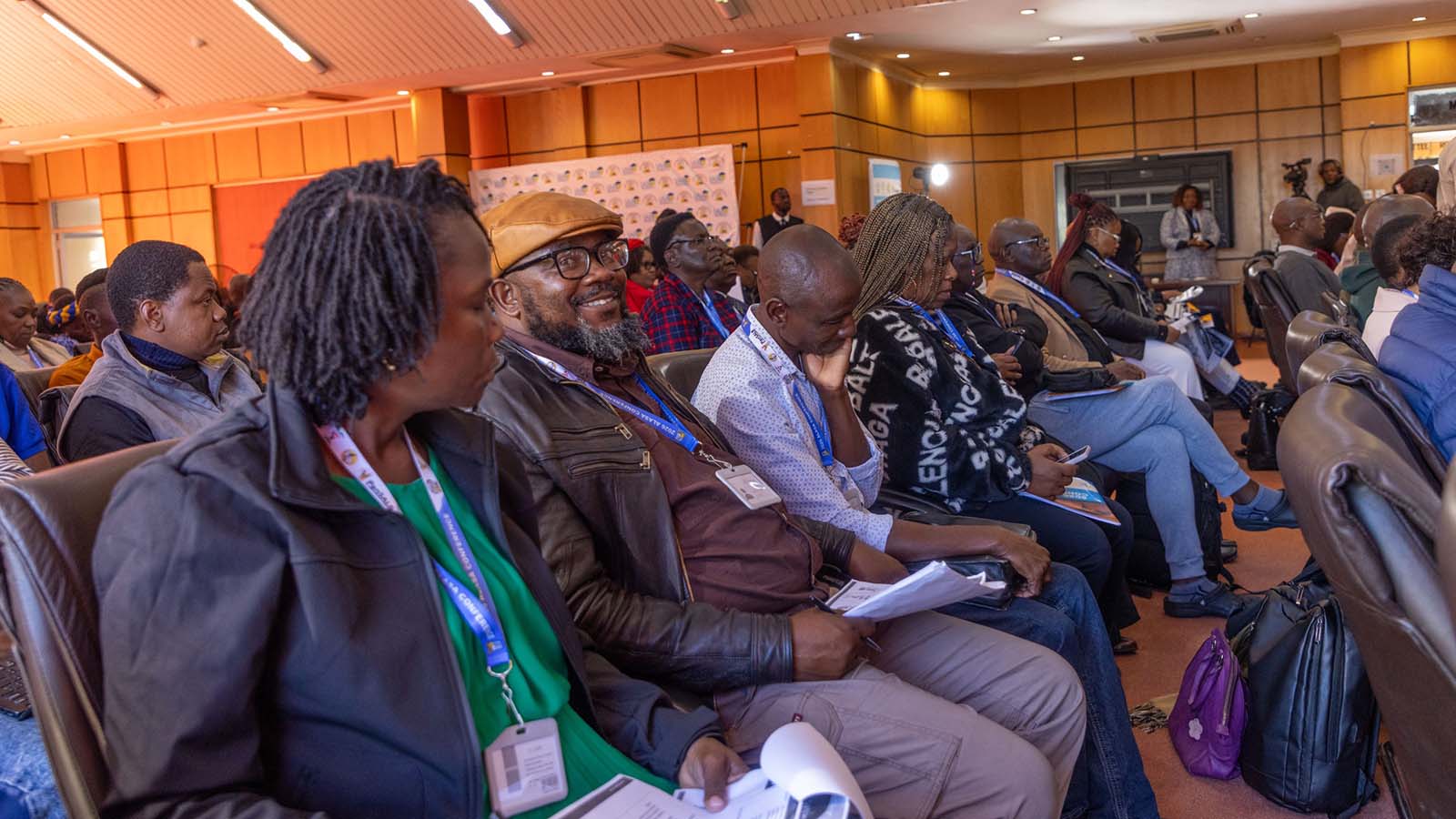
“It aligns with the Second Republic’s draft National Language Policy, which promotes indigenous languages as vital enablers for national development, unity of purpose and cultural inclusivity,” Minister Ncube said.
He added that the conference objectives resonate with President Mnangagwa’s commitment to mainstream diverse indigenous languages in the innovation, modernisation and industrialisation matrix — a position the President articulated at the inaugural National Languages Conference in Victoria Falls in June 2022.
Minister Ncube noted that UNESCO had declared 2022 to 2032 the International Decade of Indigenous Languages due to threats of extinction posed by globalisation, urbanisation, migration and climate change.
“This forum sets a platform for a sound situational analysis of regional indigenous languages, achievements and opportunities,” he said.
He commended what he called “comprehensive, bold and strategic” interventions anchored on Heritage-Based Modernisation and Industrialisation since November 2017.
These include the decentralisation of mass media through community radio stations, mandatory programming across multiple indigenous languages including Sign Language for the Zimbabwe Broadcasting Corporation, and teacher training reforms requiring student teachers to learn at least three local languages in addition to their mother tongue.
He also cited tertiary expansion with new degree and diploma programmes in previously marginalised languages such as Tonga, Venda, Kalanga and Nambya at Great Zimbabwe University and Midlands State University.
Other milestones include the translation of key documents such as the Constitution and the Highway Code into indigenous languages, ongoing dictionary development with the MSU National Languages Institute, and the Heritage-Based Education Curriculum, which recognises Zimbabwe’s 16 official languages in the Constitution and uses them as a primary medium of instruction.
Minister Ncube particularly commended the MSU National Languages Institute for spearheading the translation of science terminology into local languages that makes education more accessible to all Zimbabweans, as well as preserving our rich linguistic heritage.
He also recognised First Lady Dr Auxillia Mnangagwa’s efforts in promoting culture and heritage through the Baradzanwa Cultural Village in Mazowe, the Africana Humanism Programme and the Zviperengo Cultural Quiz Programme.
“As we engage in dialogue and share knowledge over these four days, let us commit to harnessing digital innovations that entrench and revitalise our indigenous languages, safeguard them into the future and strengthen our collective African identity,” Minister Ncube urged delegates.
MSU Vice Chancellor Professor Muzvidziwa said Zimbabwe has laid a strong foundation for linguistic inclusion.
“Zimbabwe has demonstrated its commitment to linguistic inclusion by recognising all 16 indigenous languages in the Constitution. That milestone places the country among the leaders in promoting language rights, but the next step is ensuring these languages are fully utilised in education, research, innovation and national development.”
ALASA board chairperson, Dr Mantoa Molete, said Africa’s future depends on embracing its linguistic and cultural identity.
“The future of Africa depends on people who embrace their identity. When we value our languages, we preserve our knowledge systems, strengthen our cultures and empower future generations to contribute confidently to the continent’s development.”
Chairperson of the Pan South African Language Board, Professor Loli Makhubu-Badenhorst, underscored the importance of regional cooperation in promoting multilingualism.
“This is a befitting event that promotes how we interact as a people. By working together, we can promote multilingualism, share research and ensure our languages remain relevant in education and governance.”