Gweru loses 57pc of its water to leaks

Locadia Mavhudzi Midlands Correspondent
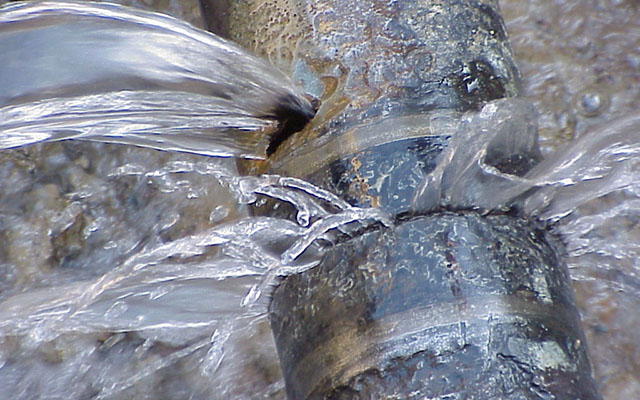
Gweru City Council has moved to repair the main water pipe at the Gwenhoro pumping station following a major burst pipe on the 600 millimeters mainline from the treatment plant that supplies water to the city.

The pumping capacity had been reduced from the average 45 megalitres to 15 megalitres per day, a situation that left most residents without water for days.

This comes amid recent revelations that Gweru City Council is losing 57 percent of its treated water through burst pipes and leakages with most of its equipment having outlived its lifespan.

Director of Engineering Services Engineer Robson Manatsa said they repaired the main pipe, which was leaking though ithis was just a stop-gap measure while new equipment was needed in the long term.

The local authority is in the process of acquiring new pumps for Gwenhoro and Whitewaters treatment plants, which are the main supply dams for Gweru water.

“We have so far repaired the main pipe at Gwenhoro, which had badly affected the water supply situation in the city,” said Eng Manatsa. “However, it is not a lasting solution since most of the pipes are corroded.

“We are relying on outdated equipment, which was installed over 50 years ago. However, we have tendered for the purchase of two major pumps.”

Eng Manatsa said the council was consistently incurring high labour, power and water treatment costs due to the high level of water leakages.

Public relations officer Mr Manford Gambiza has encouraged residents to pay their monthly bills as council is financially incapacitated to deliver services effectively and efficiently.

“We are currently being owed over $52 million in water and rates charges by both residential and industrial sites,” he said. “We would like to encourage our residents to pay their rates religiously so that we get funds to deliver service.”

Ratepayers have expressed their anger at the council’s inability to deliver water and resolve the loss of treated water saying council’s management style leaves a lot to be desired.

Gweru loses 57pc of its water to leaks

Locadia Mavhudzi Midlands Correspondent
Gweru City Council has moved to repair the main water pipe at the Gwenhoro pumping station following a major burst pipe on the 600 millimeters mainline from the treatment plant that supplies water to the city.

The pumping capacity had been reduced from the average 45 megalitres to 15 megalitres per day, a situation that left most residents without water for days.

This comes amid recent revelations that Gweru City Council is losing 57 percent of its treated water through burst pipes and leakages with most of its equipment having outlived its lifespan.

Director of Engineering Services Engineer Robson Manatsa said they repaired the main pipe, which was leaking though ithis was just a stop-gap measure while new equipment was needed in the long term.

The local authority is in the process of acquiring new pumps for Gwenhoro and Whitewaters treatment plants, which are the main supply dams for Gweru water.

“We have so far repaired the main pipe at Gwenhoro, which had badly affected the water supply situation in the city,” said Eng Manatsa. “However, it is not a lasting solution since most of the pipes are corroded.

“We are relying on outdated equipment, which was installed over 50 years ago. However, we have tendered for the purchase of two major pumps.”

Eng Manatsa said the council was consistently incurring high labour, power and water treatment costs due to the high level of water leakages.

Public relations officer Mr Manford Gambiza has encouraged residents to pay their monthly bills as council is financially incapacitated to deliver services effectively and efficiently.

“We are currently being owed over $52 million in water and rates charges by both residential and industrial sites,” he said. “We would like to encourage our residents to pay their rates religiously so that we get funds to deliver service.”

Ratepayers have expressed their anger at the council’s inability to deliver water and resolve the loss of treated water saying council’s management style leaves a lot to be desired.

Related Posts

WFP shifts to long-term resilience as Super El Niño threat emerges

Theseus Mauruki Shambare THE United Nations World Food Programme (WFP) has begun activating anticipatory measures to cushion Zimbabwean farmers against the potential effects of a forecast Super El Niño, marking…

Association of Healthcare Funders seek Parliament’s intervention over Medical Services Amendment Act

Nyore Madzianike Senior Reporter The Association of Healthcare Funders of Zimbabwe has appealed to Parliament to intervene and consider its concerns on amendments made to the Medical Services Amendment Act.…

Leave a Reply

Your email address will not be published. Required fields are marked *

×