Patrick Chitumba [email protected]
GWERU City Council (GCC) has begun a three-day review of its 2026-2030 strategic plan, with a focus on addressing service delivery challenges, strengthening accountability and ensuring the 2027 budget responds to residents’ needs.
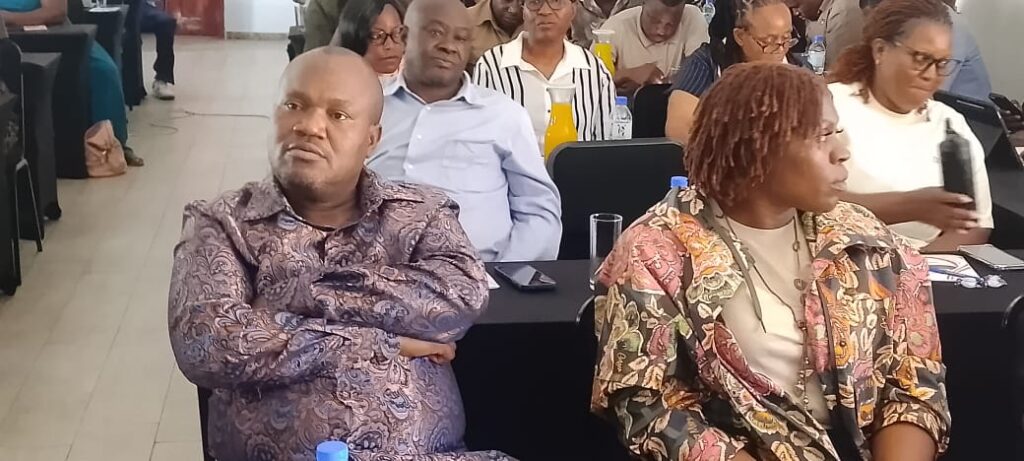
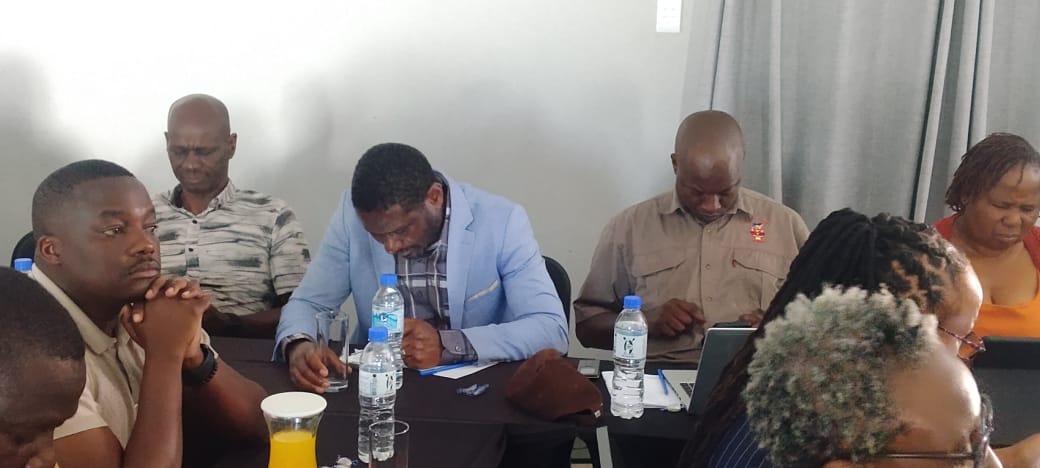
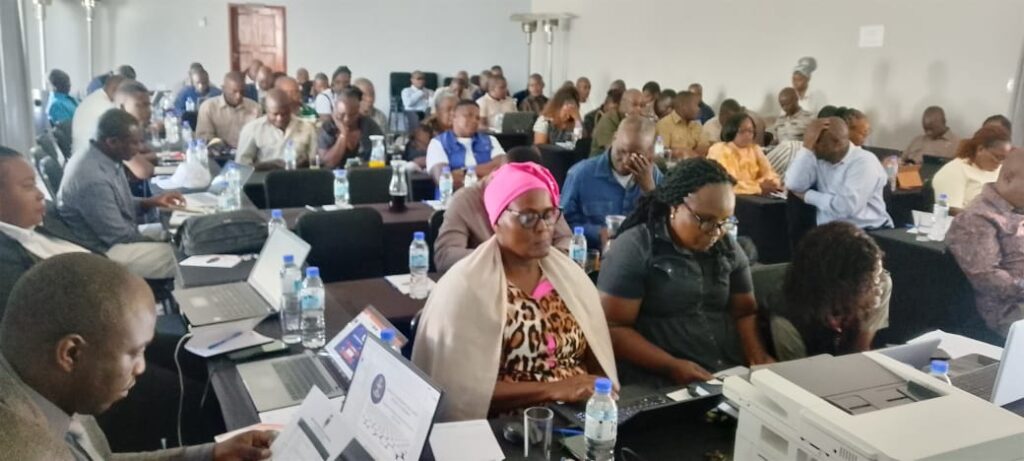
The workshop, being held in Bulawayo, brings together council leadership, Government officials, residents’ associations and other stakeholders to assess the local authority’s performance, identify operational weaknesses and set measurable targets as the city pursues its vision of becoming a smart city by 2030.
The review is also expected to strengthen the link between council’s planning, budgeting and performance management systems, ensuring that resources are directed towards programmes that benefit residents and businesses.
Gweru District Development Coordinator (DDC) Mr Tarisai Mudadigwa said the changing economic and technological environment required the local authority to rethink its operations and improve service delivery.
“We have in the past operated with dedication, but we must also appreciate that the current environment we are in, especially the coming of our new peers, means we are now going to change the way we operate, both economically and technologically, as well as respond to the needs of those we serve, that is, the Gweru community,” he said.
Mr Mudadigwa said the workshop provided an opportunity for council to assess its performance, acknowledge its achievements and confront weaknesses that could undermine its development goals.
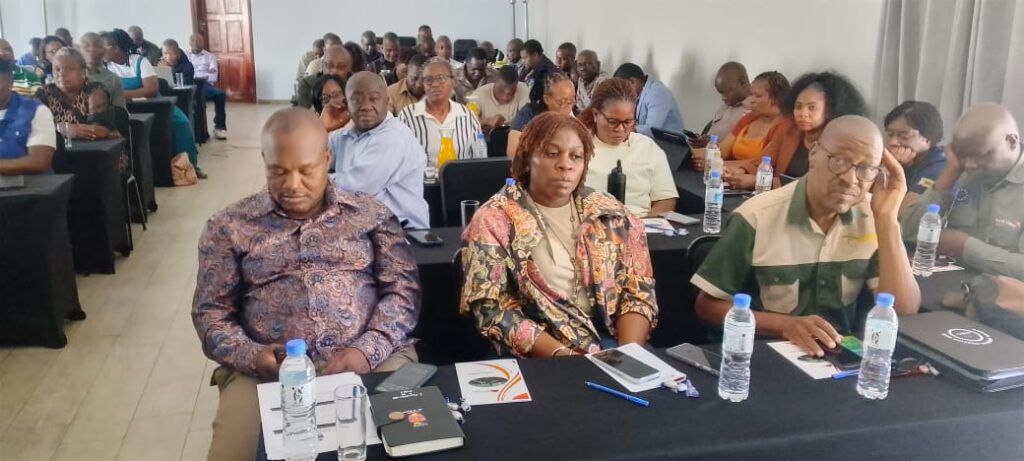
“This workshop is therefore not just a routine meeting. It is a moment to pause, to reflect honestly on where we are, to celebrate our strengths, to confront our weaknesses and to agree on where we want to go,” he said.
He challenged participants to develop a practical and implementable plan, warning against producing strategic documents that were never translated into action.
“A strategic plan is useless if it sits on a shelf. We are here to build a plan that is realistic, actionable and owned by all of us, especially the residents and the business community,” said Mr Mudadigwa.
He urged participants to engage openly and agree on shared priorities and responsibilities for the city’s development.
Ministry of Local Government and Public Works director Mr Charlton Murove said the review should provide a platform for candid discussions about the city’s challenges and measures needed to improve performance.
He commended the mayor, councillors and management for efforts to improve Gweru, but said the local authority needed to sustain the momentum and do more to meet residents’ expectations.
“I know as a city we are trying so hard. I am proud of you, Your Worship, and the Town Clerk. You can tell that there are changes happening in the city,” he said.
Mr Murove urged council to work closely with stakeholders, emphasising that the city’s development depended on collective effort.
“If you want to go fast, you go alone. If you want to go far with the city, if you want to develop our city, let’s move as a team. We need everyone on board,” he said.
He warned council officials against blaming one another for shortcomings, saying residents were primarily concerned about access to reliable services.
“We cannot afford to blame each other. The people of Gweru need services,” he said.
Mr Murove said the local authority also needed to embrace agility, responsiveness and efficient decision-making under its new leadership.
He added that the review should incorporate turnaround strategies previously requested by the responsible Minister, allowing participants to assess progress and identify further interventions.
“This is the platform on which I feel we should not sweep issues under the carpet,” he said, urging participants to be open about the challenges facing the local authority.
Gweru Mayor Councillor Martin Chivhoko said the review was an important opportunity to strengthen the city’s strategic direction for the 2026-2030 period.
He said the participation of council officials, staff, Government representatives and facilitators from the Public Service Academy would help build institutional capacity and improve governance.
Councillor Chivhoko said the workshop would examine the city’s local economic development plan, environmental and demand analyses, and outcome and output performance frameworks.
The discussions are also expected to identify priority projects for inclusion in the 2027 budget and ensure that council programmes align with the National Development Strategy 2 (NDS2).
He said the process would culminate in the development of the city’s 2027 annual plan and a performance-contract framework linking planned activities to measurable outcomes.
“This is a meticulous programme meant to ensure that our strategies are not just aspirational documents, but practical, measurable and impactful plans of action,” said Councillor Chivhoko.
He said Gweru’s vision was to become a people-oriented and globally competitive smart city by 2030, adding that achieving the goal required sound planning, accountability and a collective commitment to development.
Councillor Chivhoko urged participants to scrutinise existing strategies, identify gaps and develop realistic interventions to improve residents’ lives.
Gweru Residents and Ratepayers Association director Mr Cornelius Selipiwe said the review should establish a framework for tracking council programmes, measuring departmental performance and ensuring that budget allocations reflected agreed priorities.
“For residents and businesses, the success of the exercise will ultimately be measured by improvements in the delivery of essential services and the local authority’s ability to respond efficiently to their needs,” he said.