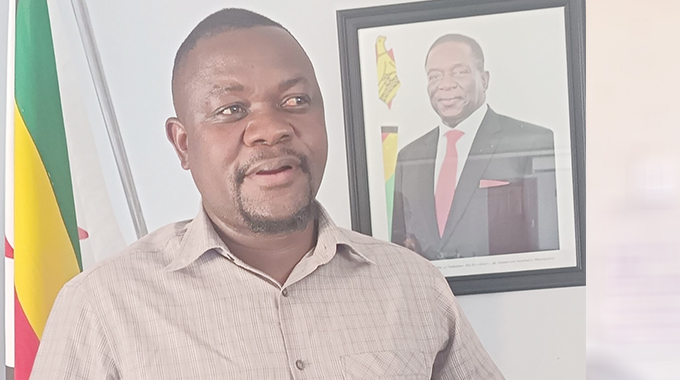
Patrick Chitumba, [email protected]
GWERU City Council is targeting 5 000 informal traders for formalisation, 500 small businesses for support and US$5,5 million in waste-to-energy and recycling investments as it seeks to create jobs, boost household incomes and expand economic opportunities in the Midlands capital.
The proposed initiatives align with the city’s Local Economic Development (LED) strategy, which is being reviewed during a three-day strategic planning workshop in Bulawayo to inform the 2027 budget and align spending with measurable development targets.
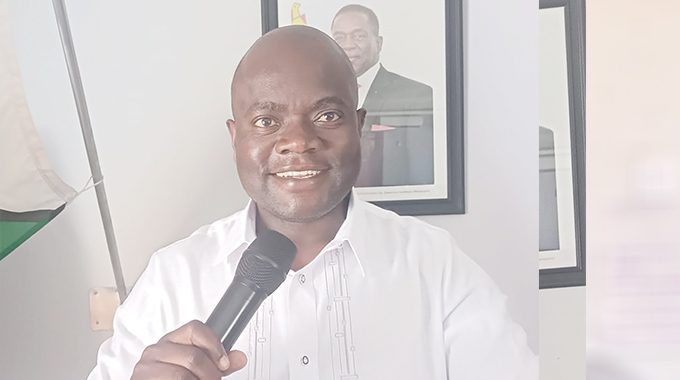
Public policy and governance expert Dr Vincent Chakunda, who presented the strategy, said the interventions were designed to stimulate inclusive economic growth by supporting informal traders, small businesses, farmers and enterprises involved in waste management and value addition.
A key proposal is the development of modern vendor markets and industrial sheds to provide informal traders with secure, serviced spaces equipped with water, sanitation and electricity.
“The city is targeting 2 000 vendor units by 2030, with the facilities expected to provide water, sanitation and electricity to improve working conditions and support business growth,” said Dr Chakunda.
The initiative is expected to formalise at least 5 000 informal sector operators, improve council revenue collection and stimulate economic activity in local communities.
Priority trading zones are proposed for high-traffic areas, including Mtapa and Kudzanai Rank, while a digital registration system would help the local authority register and manage vendors.
The strategy also seeks to strengthen agriculture and livestock value chains by improving processing capacity and market access for producers.
Dr Chakunda said the city would work with the Ministry of Agriculture, Mechanisation and Water Resources Development to develop facilities supporting agricultural processing, while the resuscitated municipal abattoir would be central to livestock value addition.
Contract farming arrangements are also expected to provide processing facilities with a reliable supply of raw materials.
“The proposals are aligned with the National Development Strategy 2 (NDS2), which identifies 15 critical agricultural value chains, with the Gweru initiatives focusing on grain milling, livestock processing and horticultural value addition,” he said.
The approach is expected to create opportunities for farmers, processors and other businesses while enabling producers to capture greater value from their output.
Dr Chakunda said small businesses continued to face barriers to expansion, including inadequate collateral, high borrowing costs and complicated lending procedures.
He said Gweru’s strategic location and existing livestock infrastructure could also position the city as a centre for formal livestock trading and processing.
Waste management is another major focus, with council proposing a US$5,5 million investment in waste-to-energy and recycling projects intended to create employment while improving environmental management.
Of the proposed funding, US$3,5 million would go towards infrastructure at Phakamisa and Cambridgeshire sewage treatment plants to support the production of electricity, biogas and organic fertiliser.
A further US$2 million would fund recycling and circular economy initiatives targeting the diversion of 20 percent of the city’s waste from landfill by 2030.
The programme includes the proposed acquisition of four skip trucks and 40 skip bins to improve waste collection and management.
Dr Chakunda said the projects could create opportunities for recycling enterprises while reducing the amount of waste requiring disposal.
“It also supports climate-change mitigation, with Zimbabwe’s waste sector accounting for 6,1 percent of the country’s total greenhouse gas abatement potential under its Low Emissions
Development Strategy,” he said.
Gweru City Council chamber secretary Dr Owen Masimba said the strategic plan review was intended to strengthen the link between development priorities, resource allocation and institutional performance.
The workshop is reviewing the city’s 2026–2030 Strategic Development Plan and translating its objectives into practical programmes for the 2027 financial year.
Dr Masimba said the process also involved developing performance contracts for key personnel to ensure that departmental responsibilities were linked to agreed targets, available resources and measurable service-delivery outcomes.
“The city’s strategic plan is anchored on the vision of becoming a people-centred and globally competitive smart city by 2030 and is aligned with Government’s Vision 2030 and NDS2,” he said.
He said incorporating local economic development projects into the 2027 budget would enable council to complement its service-delivery mandate with initiatives aimed at attracting investment, supporting entrepreneurship and expanding employment opportunities.
The proposals also align with the Government’s stated development priorities of inclusive economic growth and local value addition.