Patrick Chitumba, [email protected]
MIDLANDS Province is promoting fish farming, small livestock production and fodder conservation to help rural communities withstand the threat of El Niño-induced droughts and reduce their dependence on rain-fed crop production.
The strategy seeks to diversify rural livelihoods by creating alternative sources of food and income that can cushion households when poor rainfall leads to crop failure, depleted grazing and livestock losses.
Agricultural and Rural Development Advisory Services’ Midlands provincial director Ms Busiso Olga Mavankeni said diversifying agricultural production was essential in preparing communities
for increasingly unpredictable weather patterns.
“We cannot control the weather, but we can prepare our communities to withstand its effects.
Diversifying our production systems is one of the ways of ensuring that when crops are affected by drought, households still have other sources of food and income,” she said.
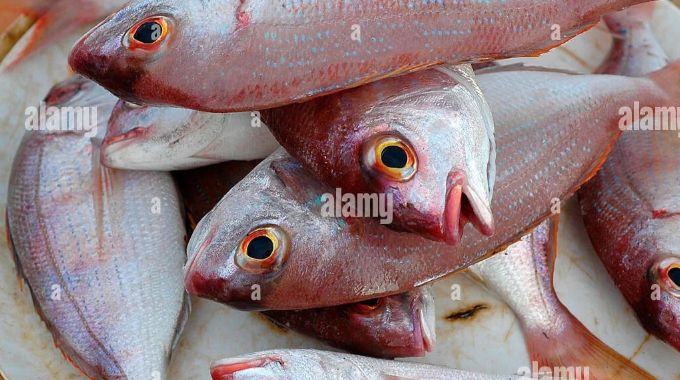
The approach is already taking shape at Gwenhoro Dam, where four cooperatives comprising 15 farmers have ventured into aquaculture to supplement their traditional agricultural activities.
Ms Mavankeni said the cooperatives stocked 10 000 fish fingerlings in January this year and were now harvesting about 200 kilogrammes of fish a week.
The fish being sold is providing participating farmers with income while improving access to an alternative source of animal protein.
Ms Mavankeni said the project could sustain fish harvesting over the next five to six years, provided farmers maintained sound management practices, including monitoring water quality, feeding, stocking and harvesting.
“Fish farming is one of several interventions being promoted to strengthen the capacity of rural communities to withstand droughts and other climate-related shocks,” she said.
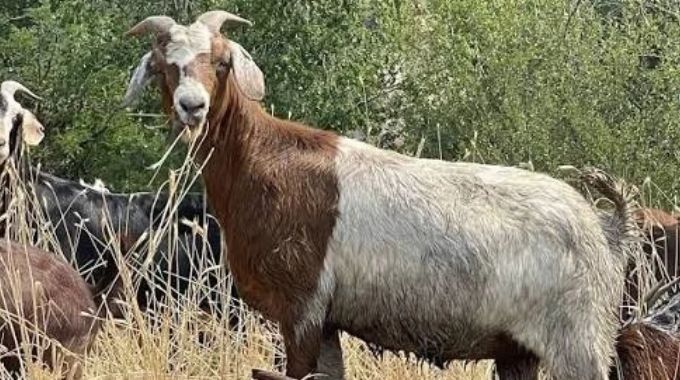
Beyond aquaculture, the province is encouraging farmers to venture into goat and sheep production, indigenous poultry rearing, drought-tolerant fodder production and hay baling.
Ms Mavankeni said small livestock production was particularly suitable for drought-prone Natural Regions Three, Four and Five, where unreliable rainfall and prolonged dry spells often undermine crop production and livestock productivity.
“Livestock provide households with alternative assets and potential sources of income, while indigenous chickens offer opportunities to improve nutrition and generate revenue from relatively small-scale enterprises,” she said.
The Presidential poultry programme is also helping households diversify their agricultural activities beyond conventional crop production.
Livestock feed security is another priority, with farmers being encouraged to harvest and conserve grass during periods of abundance for use when grazing becomes scarce.
Ms Mavankeni said Government had provided five tractors and five mowers in the province
through agricultural extension and mechanisation departments to support fodder production and hay baling.
The interventions are intended to encourage farmers to prepare for drought before it sets in, rather than wait until grazing and water resources have been depleted.
“Conserved hay, crop residues and drought-tolerant fodder crops can supplement natural grazing, helping farmers maintain their livestock during difficult seasons,” said Ms Mavankeni.
She said fish farming was adding another dimension to the province’s climate adaptation efforts by providing an alternative source of food while creating opportunities for employment, transportation, processing and marketing.
The broader objective, Ms Mavankeni said, was to establish diversified rural economies in which households were not entirely dependent on a single agricultural activity.
When rain-fed crops fail, families with alternative enterprises such as fish farming, poultry production and small livestock rearing can still have food and income to fall back on.
Ms Mavankeni said farmers were being encouraged to identify opportunities within their
communities and make productive use of available resources.
Dams, for instance, can support fisheries, irrigation and livestock watering, provided their use is properly managed and sufficient water is available.
Ms Mavankeni said the province’s approach was focused not only on responding to drought after it occurred, but also on building communities’ capacity to withstand climate-related shocks through diversified production systems.
“Climate resilience begins with preparation, diversification and the sustainable use of available resources. Through fish farming, small livestock production, indigenous poultry and fodder conservation, the province is seeking to ensure that when drought strikes, rural households have alternative sources of food and income to help them weather the crisis,” she said.