shloboe boe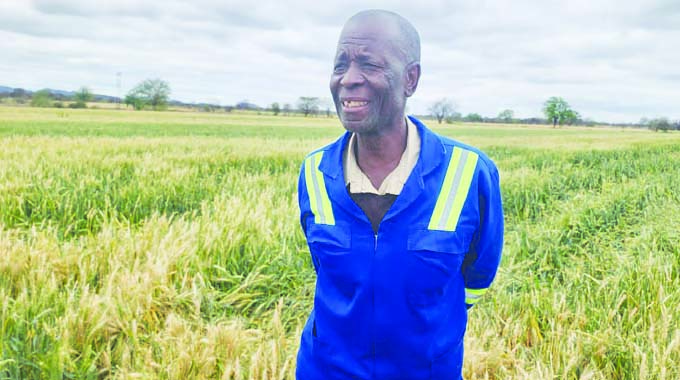
Sukulwenkosi Dube-Matutu, [email protected]
A TOTAL of 72 hectares of winter wheat at Tuli Makwe Irrigation Scheme in Gwanda District has been wiped out by a hailstorm, leaving farmers devastated just a week before harvest.
The affected farmers, who were expecting to realise about 360 tonnes of wheat, now face the grim reality of producing less than half of that. The damage will also negatively impact Matabeleland South Province’s projected wheat output of 21 000 metric tonnes from 3 648 hectares this season.
The hailstorm, which struck on Tuesday evening, lasted about 45 minutes and left fields ravaged. The scheme had 20 hectares under centre pivot and 52 under flood irrigation.
Tuli Makwe Irrigation chairperson Mr Louise Ncube said the farmers had invested heavily in the crop and the disaster would make it difficult to settle debts and bills.
“This is a devastating loss. We planted our wheat on time, managed the crop well and even kept birds away. All was set for harvesting next week, but now most of the crop has been destroyed,” he said.
“We have bills for electricity, water, diesel and loans from Agribank that still have to be paid, yet we are not sure how much we will harvest. The whole field has been damaged.”
Another farmer Ms Nothabo Moyo said they had been optimistic of surpassing last year’s yield.
“We had put our all into this season and were looking forward to a good harvest that would sustain our families. This irrigation scheme is our lifeline and such a loss will take time to recover from,” she said.
Agricultural and Rural Development Advisory Services’ Matabeleland South provincial deputy director, Mr Bhekilizwe Ncube, said the hailstorm was not just a loss for individual farmers but a major setback for the province.
He said an immediate assessment shows that about 50 percent of the crop has been destroyed.
“Farmers may harvest less than half of what they expected. Considering that the scheme is in Regions 4 and 5, the performance of the crop before the storm was commendable. This incident should serve as a lesson within the agriculture sector on the importance of insuring crops, livestock and other assets,” said Mr Ncube.
Wheat production has emerged as a cornerstone of Zimbabwe’s agricultural economy, ranking as the second most important cereal after maize. It plays a crucial role in the country’s food security strategy while driving agro-industrial growth.
The Government has made wheat self-sufficiency a strategic priority under Vision 2030, with an annual production target of 360 000 metric tonnes. — @DubeMatutu



 Online Reporter