admin
admin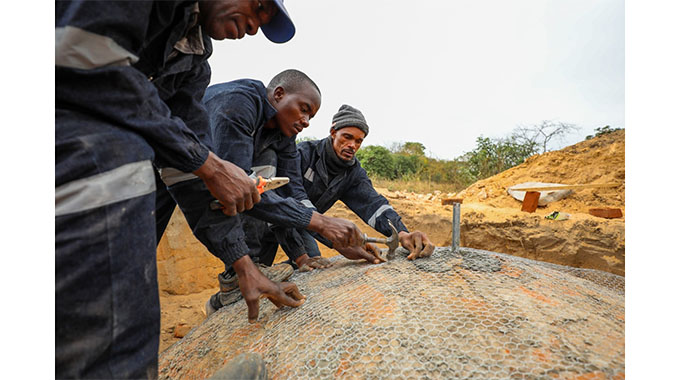
Elita Chikwati Herald Reporter
At least 150 households in Chipinge, Masvingo and Insiza are expected to benefit from the Climate Adaptation Water and Energy Programme (CAWEP) which will see bio digesters being installed at their homesteads as part of efforts to bring clean cooking energy to rural areas.
This is the largest initiative of biogas in Zimbabwe and Southern Africa and has since commenced in Hakwata Village in Chipinge.
The project will benefit 90 households in Hakwata, 30 in Gororo, Masvingo district, and 30 in Wanezi, Insiza.
In a statement, the UNDP said the initiative will go a long way in ensuring that those furthest from essential services are not left in the dark.
“Construction of the initial set of digesters in Hakwata is already underway, with completion expected by September 2023.
“When finalised, the project is expected to bring transformation to the lives of the largely elderly population in Hakwata,” said the UNDP.

UNDP said under the initiative, clean cooking energy will replace the arduous task of gathering firewood and providing a safer and more sustainable alternative.
“In addition to the numerous environmental benefits, the project will also empower 40 local builders, equipping them with the skillset required to construct and maintain biogas digesters,” read statement.
The first beneficiary of the initiative, Ms Maris Magotorima, said the project will improve her life.
“If this biogas works as they told us, then it will save my aged, aching legs from fetching firewood from those hills,” she said.
Biogas, a renewable source of cooking energy produced through the breakdown of animal and food waste, holds tremendous potential for Southern Africa.
The Climate Adaptation Water and Energy Programme (CAWEP), is an example of collaboration and innovation.
The programme is aimed at addressing both immediate water and energy needs for long-term climate adaptation and a brighter, more sustainable future for communities most left behind.
CAWEP is implemented in four districts by the United Nations Development Programme (UNDP), with funding from the UK’s Foreign, Commonwealth & Development Office (FCDO).
The biogas installations receive technical guidance from the Rural Electrification Fund (REF).


 Online Reporter