Online Reporter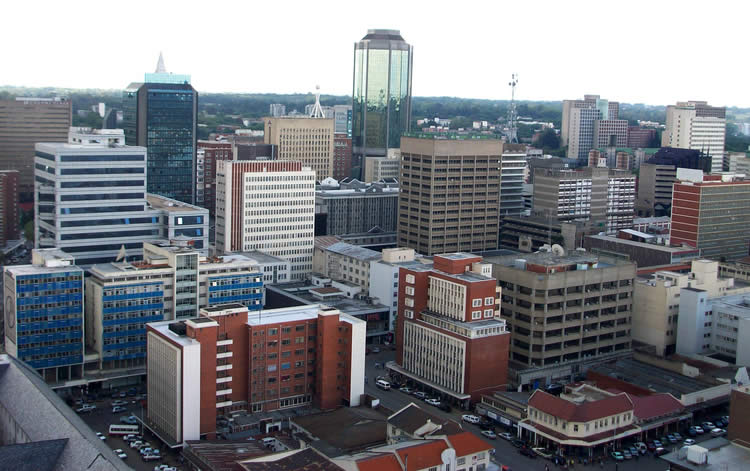
B-Metro Reporter
HARARE has officially claimed the dubious crown of Zimbabwe’s crime capital, leading the nation in prison admissions and leaving other provinces gasping for breath.
The latest statistics from the Zimbabwe National Statistics Agency (ZimStat) confirm what many feared, the capital is churning out criminals faster than one can blink.
Forget stereotypes about border towns and bush hideouts. Harare, the so-called Sunshine City, has become the boiling pot of Zimbabwean lawlessness.
From theft to assault, fraud to rape and everything in between, Harare residents are starring in the country’s crime saga, not as victims, but as main characters.
Comparative stats from the last quarter of 2024 (October, November and December) and the first quarter of 2025 (January, February and March) show that the capital city has a stranglehold on criminality and it is growing its lead against other provinces.
According to the ZimStat 2025 First Quarter Prison Admissions and Discharges Report, a shocking 16 762 people were thrown into Zimbabwe’s prisons in just three months.
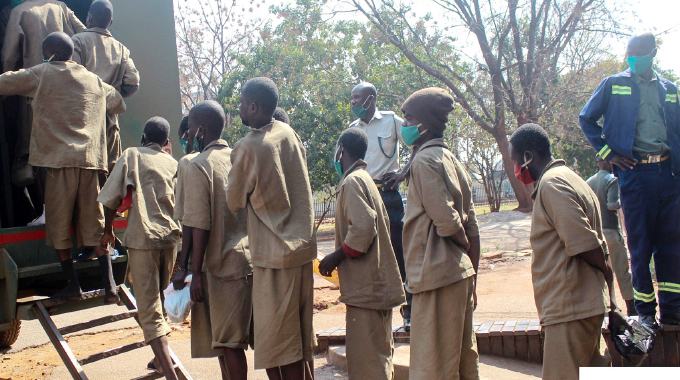
Of these, 15 581 were men and only 1 181 were women. Guess which province most of these inmates called home?
Harare, by a landslide, contributed 3 019 new prisoners, the highest of all ten provinces, a massive rise from the 2 639 recorded in Q4 2024. That’s an increase of 380 offenders in just one quarter, cementing Harare’s title as Zimbabwe’s top crime hub.
Trailing behind are Midlands with 2 231 up from 2 036, Mashonaland West with 2 029 (previously 1 942), and Manicaland with 1 985 (compared to 1 824).
Meanwhile, Bulawayo remains the cleanest province on the books, recording only 619 new prisoners, down from 647.
If Harare is the country’s crime furnace, Bulawayo is clearly its crime freezer.
And it’s not just where they come from that’s shocking, it’s who they are. The capital’s prisons are bursting with young male offenders.
The age group leading the charge is the 25 to 29 bracket, with 3 866 inmates, followed closely by 3 569 in the 20 to 24 age group. Together, they form nearly 44 percent of all new inmates nationwide. These are supposed to be Zimbabwe’s future, instead, they’re filling its jails.
ZimStat’s top ten list of shame reveals that theft is still king, with 4 246 cases in Q1 2025, up from 3 892 in Q4 2024. Assault follows with 3 754 cases (up from 3 253), and burglary ranks third with 1 830 prisoners, rising from 1 447.
Robbery without firearms increased slightly to 1 148, while other criminal acts not elsewhere classified clocked in at 899, barely changed from 1 049.
And let’s not forget the most disturbing stats: Rape recorded 814 new inmates, up from 739, while domestic violence also ticked upward to 880, up from 715. Drug crimes continued to poison society with 473 inmates (up from 238 for drug-specific charges), and fraud led 415 people into jail cells (up from 382).
When you dig deeper, it gets worse. The majority of these criminals are poorly educated. A gargantuan 70,1 percent of prisoners only had lower secondary or partial secondary education in Q4 2024, and the figure barely changed in 2025 Q1. Tertiary graduates? Just 2,6 percent. You can almost smell the connection between poverty, ignorance and crime.
Joblessness? Oh, it’s ugly. In Q4 2024, 46,8 percent of all new inmates were unemployed. That includes 46,1 percent of men and a shocking 56,1 percent of women. In short: Zimbabwe’s prisons are jam-packed with young, broke, under-educated, and frustrated people — most of them from Harare.
And the trend is snowballing. Prison admissions have skyrocketed from 14 670 in Q4 2024 to 16 762 in Q1 2025.
That’s more than 2 000 extra inmates in just 90 days. At this rate, Harare might start needing a prison per suburb.
Foreigners are also making headlines. While 98 percent of inmates are Zimbabweans, 211 foreigners were jailed in Q4 2024 — mostly from SADC countries, and mostly for immigration crimes, poaching, and cross-border scams.
The Zimbabwe Prisons and Correctional Services is already bursting at the seams, with 22 878 inmates by the end of Q4 2024.
Of those, 22 130 were men and 748 were women, making males 96,7 percent of the total prison population.
The imprisonment rate now stands at 146 prisoners per 100 000 people, and a staggering 294 per 100 000 for men.
So what’s the takeaway? If you are young, broke, under-educated and living in Harare, congratulations — you are statistically Zimbabwe’s most likely jailbird. Harare isn’t just producing criminals.
It’s leading the nation into a crisis of lost youth, shattered dreams and cells overflowing with desperation.
ZimStat has exposed the rot. The question now is — will civic leaders and society fix it, or will Harare continue its fall from grace as Zimbabwe’s capital to Zimbabwe’s cage?
Because if nothing changes, this crown of crime may soon become a chain.