


 Andrew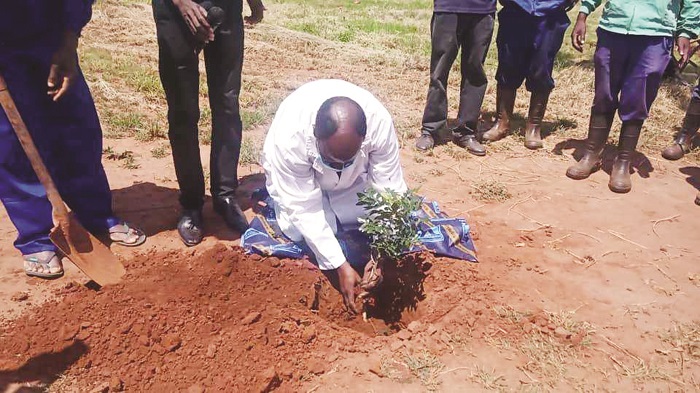
Tendai Chara
THE Harare City Council (HCC) has embarked on an aggressive re-greening programme as it seeks to replace the city’s ageing trees.
Most of the city’s trees are old and require urgent replacement. Harare is well known for its beautiful jacaranda trees, which are a marvel to watch during the hot season, especially in September and October.
In the past, some ageing jacarandas fell on stationary vehicles, resulting in the loss of life and property.
Sightings of HCC workers digging holes and planting trees are now common, as the city makes efforts to restore the “Sunshine City” status.
The city has lost millions of trees over the years, as residents resorted to wood as an alternative source of power amid the intermittent power outages.
By the end of January this year, HCC had planted 526 trees, and was targeting to plant 700 in its greening programme.
In this campaign, the council is working with Friends of the Environment and Nyaradzo Group.
Under the re-greening programme, trees were planted at the Warren Hills Cemetery and the Pioneer Cemetery.
The Mabvuku Cemetery also benefitted, as both exotic and fruit trees were planted.
Speaking during a tree-planting event, Mr Godfrey Munetsi, the council’s chief parks and cemeteries officer, said the initiative at the cemeteries will provide both fruits and shade for mourners, and will also help in beautifying the city.
“We are not only planting but will also manage and grow the trees. We have also planted trees at the Pioneer Cemetery. Today, we planted here at Warren Hills. Our next port of call is the Mabvuku Cemetery.
“We are not only planting exotic trees but fruit trees as well,” said Mr Munetsi, who was quoted in an article published by the council’s website.
Speaking at the same occasion, Friends of the Environment representative Ms Patience Musire said: “Once we plant the trees, it will be easier for people to easily access and maintain the graves of their loved ones.”
Nyaradzo Group operations manager, services, Mr Justin Muchazivepi, who also spoke during the tree planting occasion, said the green city initiative is an attempt to restore ecosystems, minimise environmental degradation and conserve natural resources.
“Since cemeteries are sacred places, once reclaimed with trees, we limit chances of human interference and consequently create an intact forest. The created forest aids in the conservation of natural resources, reduction in carbon emissions, protection of worker health and the preservation of animal habitat.”
The council has also co-opted corporates and owners of buildings into adopting the front part of their properties and streets to ensure maximum protection of trees and flowers.
Penefather Avenue and Simon Muzenda Road (formerly Fourth Street), which were adopted by Rainbow Towers and Premier Service Medical Aid Society, respectively, are some of the best kept streets in the capital. Zimbabwe recently celebrated the National Tree Planting Day amid growing eagerness by companies and individuals to re-green their environments.
The council has, for a long time, made efforts to re-green the city.
In 2009, the local authority — with the support of organisations such as Avis, Air Zimbabwe and Environment Africa — pledged to plant two million trees by 2015.
The city, however, failed to meet this target amid indications that the greening project had been done without the blessings of the residents. Tree planting has been successfully done in many cities across the world. Re-greening has helped beautify places such as Shanghai in China, and Pretoria in South Africa.



 Bongani Ndlovu
 Online Reporter