Online Reporter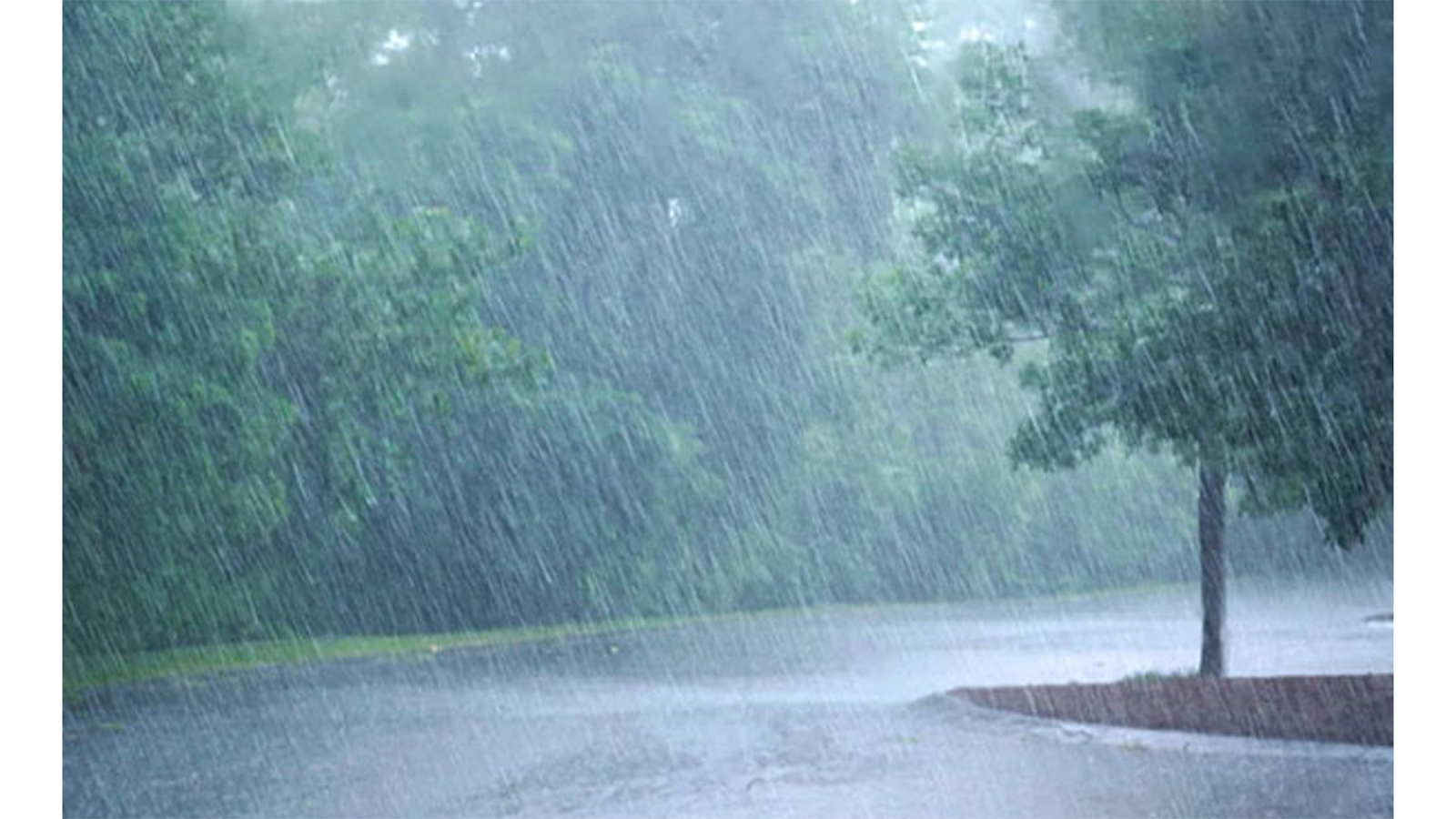
PARTS of Harare have received rainfall over the past couple of days as the country gets closer to the official start of the rain season.
It is a season that is celebrated in most parts of the country as it brings relief in urban areas, rural areas and farming areas where water is a precious product.
However, as the rainy season descends upon Harare, the city’s Central Business District (CBD) transforms from a bustling urban hub into a perilous maze of waterlogged streets, clogged drains, and chaotic pedestrian zones.
What should be a seasonal blessing—rainfall replenishing water tables and greening the capital city—has become a civic nightmare, exposing the chronic failures of urban planning, infrastructure maintenance, and public accountability.
The flooding in Harare’s CBD is not merely a natural consequence of heavy rains; it is a man-made disaster rooted in years of neglect.
According to the Harare Master Plan (2025–2045), the CBD is among the most vulnerable zones to flooding due to inadequate stormwater drainage systems and rapid urbanisation. According to experts, the city’s location on a watershed, coupled with poor infrastructure and encroachment on wetlands, has exacerbated surface runoff.
A closer look at the Harare CBD waterlogging crisis shows that the real tragedy lies in how preventable this is.
Motorists and pedestrians are the first casualties of this dysfunction as they try to navigate the busy roads. With drains choked by litter and silt, roads quickly become impassable.
There have been occasions when vehicles stall in knee-deep water, traffic grinds to a halt, and pedestrians are forced to wade through filthy pools, risking injury, disease, and even electrocution from exposed power lines.
For the elderly, disabled, and children, the CBD becomes a hostile terrain. The flooding also disrupts emergency services, public transport, and commerce.
As already indicated, the problem is not just infrastructural—it is behavioural. A significant contributor to blocked drainage systems is the rampant littering and illegal vending that has taken root in the CBD.
Vendors operating from undesignated points routinely dump waste—plastic wrappers, food remnants, cardboard boxes—into stormwater drains. These informal traders, while vital to the city’s economy, have become unwitting agents of decay. Their presence in non-designated areas not only obstructs pedestrian movement but also accelerates the deterioration of public infrastructure.
The Harare City Council’s stands accused of failing to implement a sustainable drainage maintenance regime. Workers are deployed sporadically to clear blocked drains, but poor workmanship and lack of supervision mean that the problem recurs with every downpour.
Mayor Jacob Mafume has acknowledged the challenge and promised increased manpower and coordination with the Ministry of Local Government but promises alone will not unclog the city’s arteries.
Flooding in Harare’s CBD is not just a seasonal inconvenience—it is a symptom of deeper failures. It reflects a city where planning is reactive, enforcement is selective, and public space is contested. If left unaddressed, the flooding will continue to erode public trust, damage infrastructure, and endanger lives.