

 admin
admin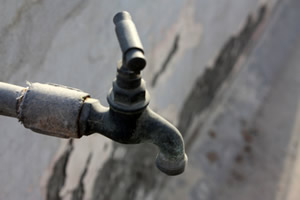
 Make A Difference with Bee
To drink or not to drink? That has become the question for many Zimbabweans. It is even worse if one lives in Harare. Harare water has become a recurring nightmare that residents just do not know how to get rid of. First of all, having it come out of the water tap itself is a miracle that many do not even dream of anymore.
There are generations that were born without tap water in their homes and up to date, they have never seen it.
Many people who have built big and sprawling multi-storey houses, which boast the best taps and the best in bathroom ware, in areas like Mandara, The Grange, Greendale, Ruwa and others, have never had the pleasure of seeing water coming out of those gleaming taps. While others have responded to this sad state of affairs by sinking boreholes at their homes, and buying water tanks that then ensure water flows into their homes, others actually use buckets to bath and for flushing toilet cisterns.
I am sure the last thing a person who invests in building a sprawling house with several bathrooms expects is to move around carrying a bucket of water so they can enjoy a bath or use the toilet.
All this has become common-place in Harare. Just as rural folk move around carrying water buckets on their heads, urban folk are fast becoming used to doing the same. The water is just not available.
Where it is available however, one tends to wonder whether this is a blessing or a curse. While Harare water is certainly good for bathing and flushing toilets, that seems to be the only thing it is good for. Daily there are reports coming out which point to the fact that the safety of Harare water cannot be guaranteed by anyone. Before we even go to the reports, both substantiated and unsubstantiated, about its safety or lack of it, the colour itself speaks volumes.
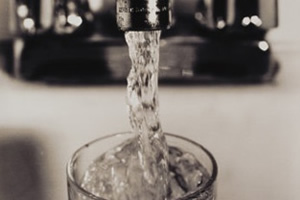
If you open the tap and just let the water run, you will not brush your teeth with it. The water comes out dark, at times muddy or yellowish. If you look at that water and have a choice, you will never drink it.
I had the occasion of being in Bulawayo recently and had the same encounter after opening a tap and letting it run to fill up the bath tub. To say I was shocked is an understatement. This is when I realised that the Harare bug is fast spreading everywhere.
Thus, the appearance of the water coming out of the tap itself raises questions about how clean and safe it is. While I am no expert, my understanding of water is that it should be colourless and not smell.
Thus it becomes worrisome when water coming out of the tap has a distinct foul smell and also tastes horrible. This is the water that Harare City Council under the stewardship of its chief executive, the town clerk Dr Tendai Mahachi, deems good enough for the long-suffering residents of this city.
This is the water they are proud to provide, which warrants that they get hefty salaries and luxury vehicles to boot. Some people may have a short memory but I do not.
I saw some people close to me lose children and loved ones to the cholera epidemic of 2008, which killed more than 4 000 people.
It was during that period that people were introduced to purifying tablets that were supposed to make the water relatively safer.
Note the term “safer” because as with all preventives, and condoms and contraceptives fall under here as well, nothing is 100 percent safe.
This is when people took to boiling water before drinking it.
This is when many started buying water. Several people started making huge bucks from selling water. The magic word became borehole water as people believed this was safer than tap water.
Bottled water also became a mark for the elite for only the poor would trust Harare water.
Today, however, one can no longer be certain about the safety of borehole or bottled water either. Some researches have shown that some of these bottled water brands are not registered.
Plus this registration is voluntary and thus cannot be used to ascertain complete safety, or can it? While everyone is trying to take that in, more reports emerge that while Harare water may not cause diarrhoeal diseases, which is what everyone tends to associate with unsafe or dirty water, in the long-term the water may cause cancers or affect brain development.
While this may or may not be true, the thing is we should not have such information coming out about our water. Water is life.
It is a right of every Zimbabwean and human being anywhere to access water. Without water people will die.
When such reports (whether true or not) come out at a time when cancers seem to have overtaken even AIDS in killing people and all sorts of diseases are cropping up, what are we to think?
When we hear that even wells, boreholes and bottled water we are now fond of stocking up on may not be safe, what are we supposed to do?
Should we stop drinking water? Can someone tell the people of Harare and Zimbabwe what is going on regarding water? How safe is this water, whether it is from the shop, well or borehole? Can someone give us facts? No more of this research and the other without a position that comes from all the government ministries and departments who are involved in this issue of life and death.
In the first place, should we have people buying water? Who regulates this industry that has suddenly become very big?
How are we to be certain the water being sold is safe? Why are we paying city council executives who have failed to provide water to the population? The appeal is now for President Mugabe to help us on this issue. Water is life.
Children will open taps and drink dirty water at school and wherever else, thus even if parents buy water; there are instances where the dirty water will affect them. There are also many who cannot buy water. Should they not have access to clean water?
Answers to these questions will bring about a much-needed difference!



 Online Reporter