


 Online Reporter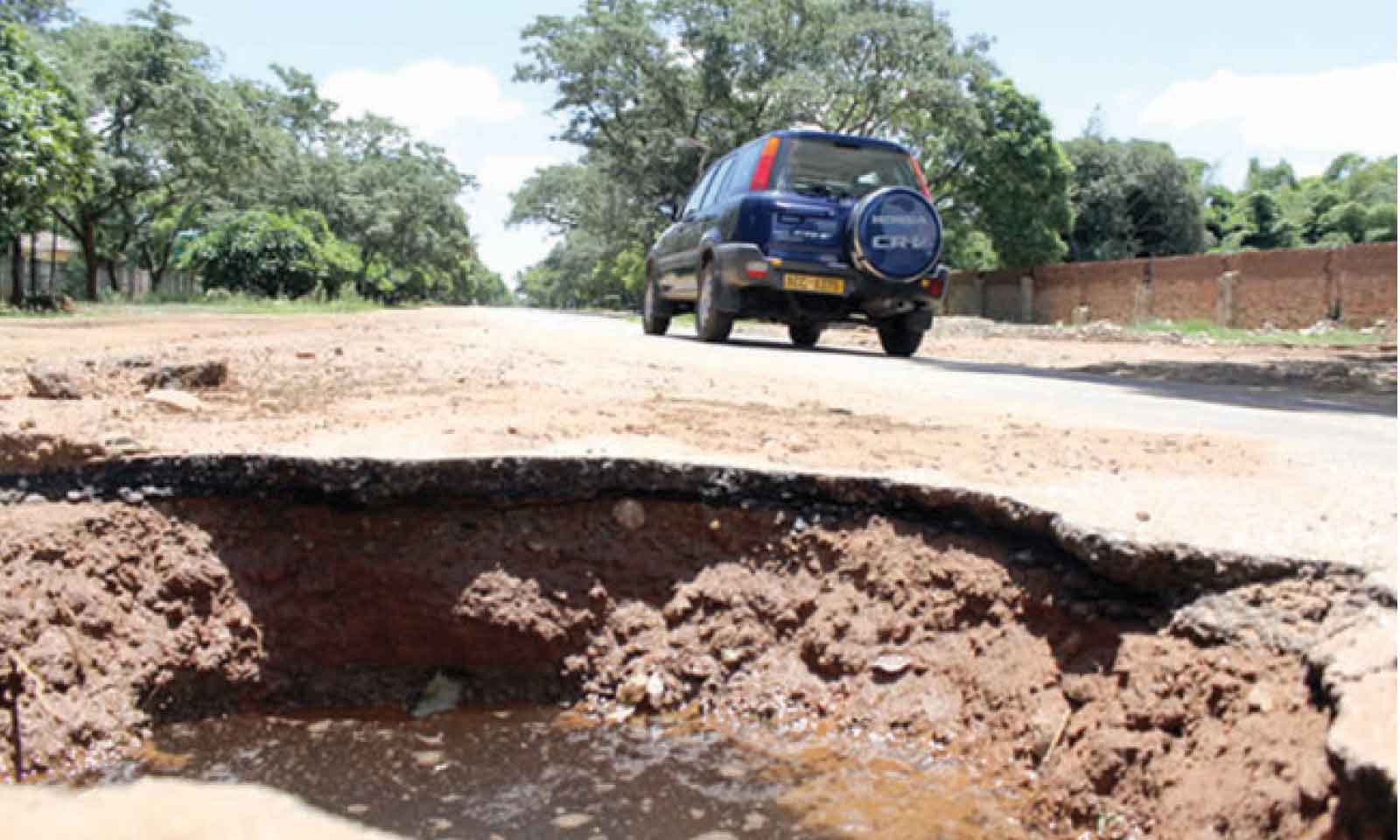
Theseus Shambare
Every day in Harare, motorists are forced to slow down, swerve or stop.
Not to admire the so-called “Sunshine City”, but to dodge the craters that seem to multiply overnight across most roads.
“You plan your route around potholes now. My shock absorbers, and the entire suspension system of the car, are constantly damaged. I spend more on repairs than I do on fuel,” lamented Terrence Mhere, a motorist from Glen Norah.
For Harare, rain, traditionally a blessing for farmers, has become a curse. It washes away tar, erodes road edges and transforms residential streets into hazardous zones.
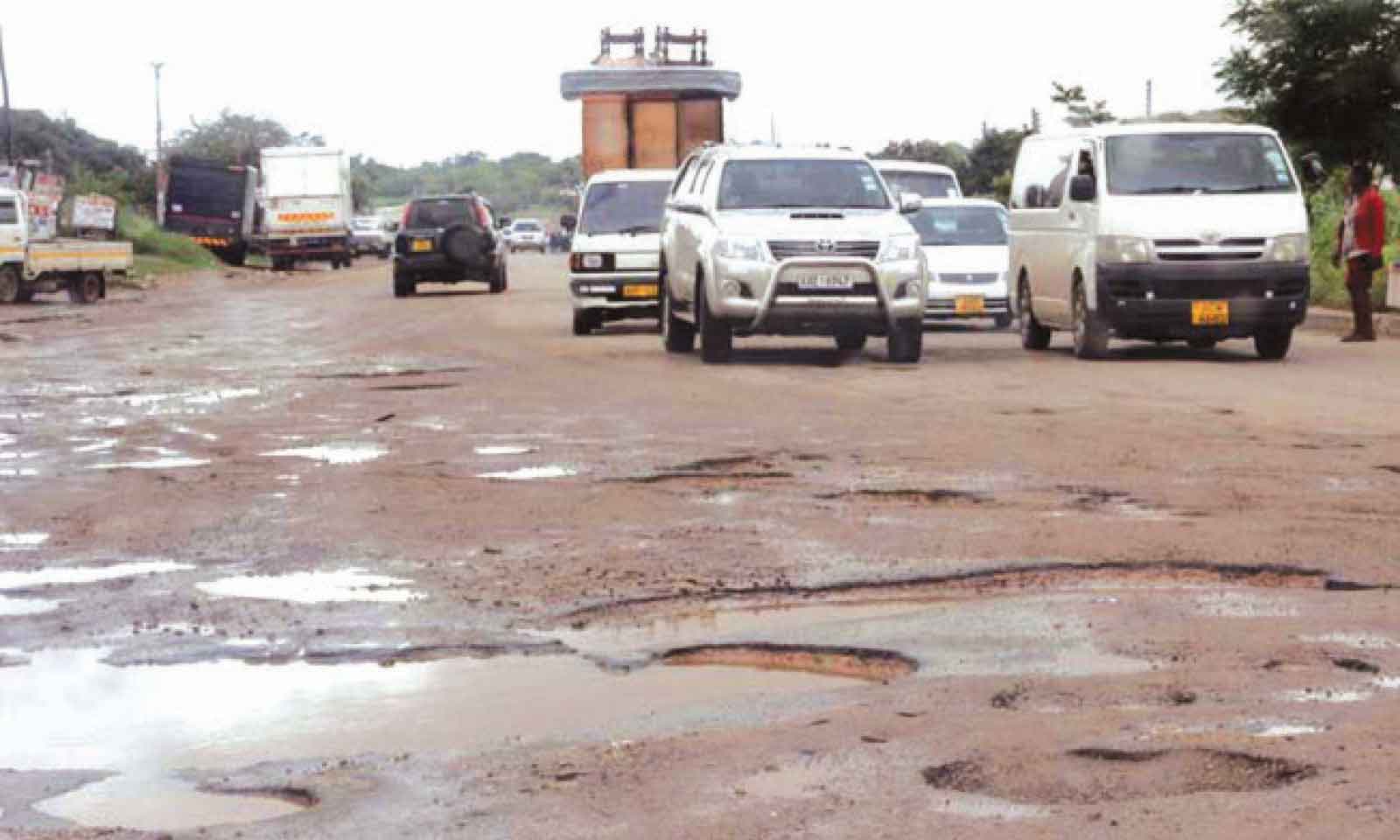
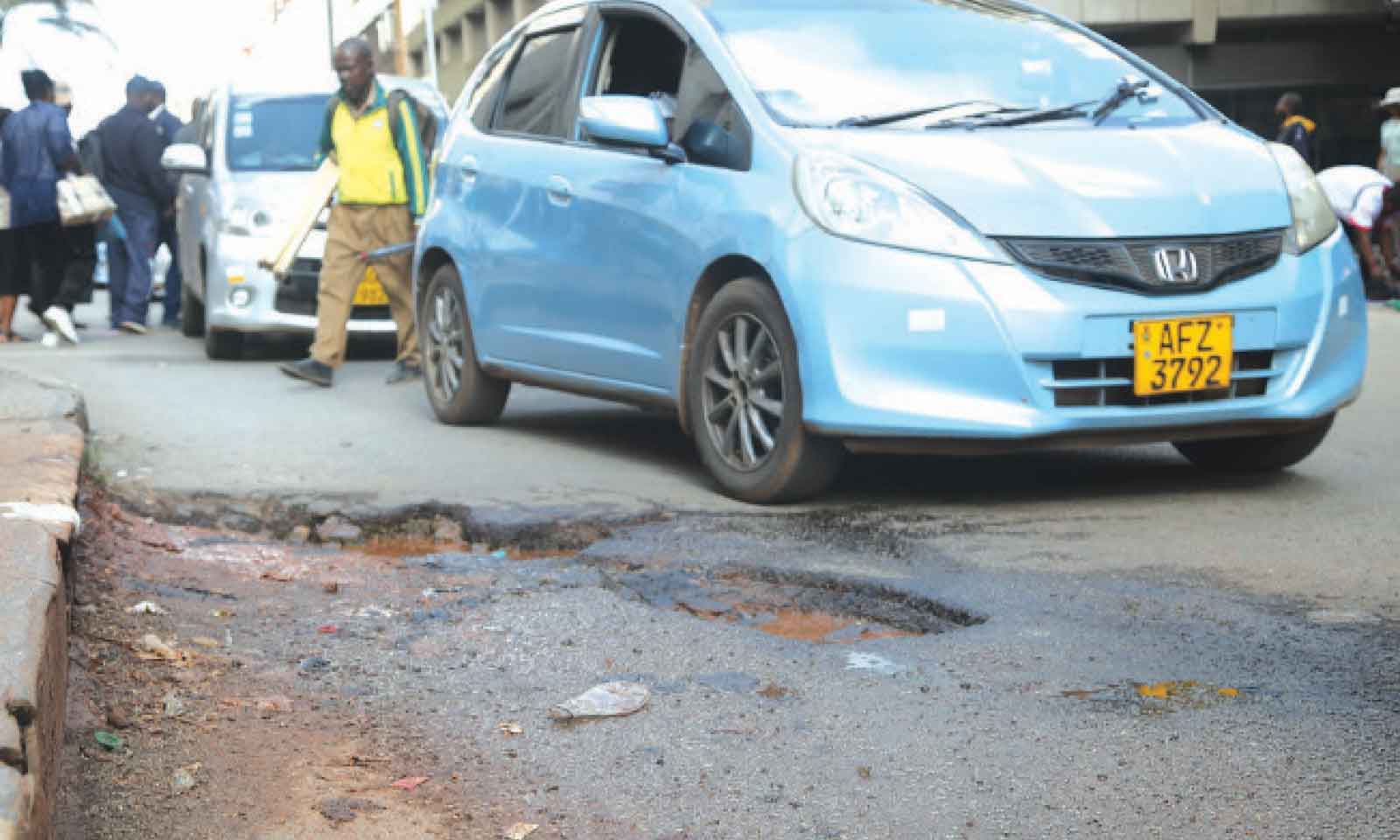
Photographs from Mbare, Kuwadzana, Arcadia, Braeside, Hatcliff and parts of the central business district reveal a city with roads patched with rubble and soil instead of proper tarmac.
The result is an impression of a metropolis permanently under repair.
Residents argue that the CCC opposition controlled Harare City Council crews are merely papering over the crisis, applying dust and rubble rather than undertaking durable resurfacing.
Meanwhile, major repairs have stalled indefinitely, leaving the city’s infrastructure in a state of perpetual decline.
The local authority is seemingly struggling to ride on the rehabilitation momentum created by the Government in Harare and surrounding areas.
The Government has been rehabilitating various roads in Harare as part of the Emergency Road Rehabilitation Programme (ERRP), which was launched in 2021.
Key projects include the recent reopening of the 17-kilometre Alpes Road; ongoing work on major arteries such as Seke Road, Joshua Nkomo Road (formerly Airport Road) and High Glen Road.
There have also been upgrades to roads in high-density suburbs, including Dzivarasekwa and Warren Park.
Other roads that have benefitted from the programme are Lorraine Drive, a section of Nemakonde Way (connecting Sam Nujoma Street to Harare Drive), Glenara Avenue, Harare Drive, Boshoff Drive and Masotsha Ndlovu Way.
These rehabilitation efforts, carried out by Government departments like the Central Mechanical and Equipment Department (CMED), encompass resurfacing, streetlighting and landscaping.
According to the Minister of Transport and Infrastructural Development, Felix Mhona, the overall goal of the ERRP is to improve the road networks to boost economic growth and facilitate the movement of people and goods.
While the Government has been playing its part, the Harare City Council has been watching idly, neglecting roads that it is supposed to maintain as a service to the residents.
The Harare Residents’ Trust (HRT), in its “State of Service Delivery in Harare” report, observes that “the majority of roads in high-density suburbs are riddled with potholes, while those in the central business district lack proper markings, contributing to daily congestion and accidents”.
HRT director Precious Shumba described the situation as “a public safety crisis that punishes ordinary citizens while roads deteriorate unchecked”.

Tatenda Chinoda, a Roads4Life champion at the African Road Safety Observatory, warned that Harare’s road network has become a “daily hazard”.
“Every unpatched pothole is a potential accident site, every washed-out shoulder risks vehicle rollover and missing lane markings at night when visibility is compromised for thousands of drivers,” he said.
Chinoda further noted that poor road conditions in Harare are now directly linked to traffic accidents, escalating vehicle repair costs and heightened stress levels among commuters.
On paper, the City of Harare’s 2025 budget allocated nearly US$93,8 million for road rehabilitation, including 33,4km of reconstruction and almost 500km of routine maintenance.
Yet, on the ground, many of these projects remain unimplemented.
Harare mayor Jacob Mafume claimed the council has been forced to use substandard materials due to procurement delays and municipal accounts tied up by garnishments and other claims.
“We patch with rubble not because we want to, but because funds are constrained and procurement delays make proper resurfacing impossible,” he told The Sunday Mail Society.
At the national level, the Zimbabwe National Road Administration (Zinara) has disbursed substantial funding to local authorities, including a huge chunk to Harare, for road maintenance.
Minister Mhona recently told Parliament that some councils have diverted some of these funds to salaries and recurrent expenses, instead of rehabilitation works.
In response, the ministry has proposed centralising urban road rehabilitation, placing planning, fund disbursement and supervision of major urban roads under national agencies.
Proponents of centralisation argue that it will prevent misuse of funds, accelerate critical works and improve accountability through quarterly reporting to Parliament.
“Government cannot continue watching roads deteriorate while funds meant for rehabilitation are misapplied,” Minister Mhona said.
He added that a clear, time-bound transition plan is being developed, outlining which roads will fall under national management, how funding will be sequenced and the reporting obligations required to ensure transparency and measurable progress.
Concern
But critics warn that centralisation could overload already stretched national systems and diminish local ownership of maintenance decisions.
Chinoda stressed that “without transparent audits, ring-fenced allocations and citizen monitoring, even a national body may fail to deliver durable roads that improve safety and reduce costs”.
Meanwhile, residents continue to bear the brunt of the crisis.
Commuter omnibus drivers reroute trips to avoid the worst roads, delivery trucks face mounting repair bills and small business owners report losses due to delayed supplies.
High-density suburbs such as Glen View, Mabvuku, Kuwadzana, Highfield, Mbare and Dzivarasekwa are worst affected, with drivers forced to navigate unlit, crater-filled streets.
This contributes to unnecessary congestion and delays.
The daily cost of poor road quality is measured not only in terms of money, but also in terms of stress, lost time and safety risks.
Parents struggle to transport children safely, pedestrians are forced to walk between broken verges and patched lanes and cyclists are at risk of serious injury on barely passable streets.
Pedestrians, in particular, face the danger of being struck by vehicles swerving to avoid potholes.
The HRT has highlighted inequities in road maintenance, noting that low-density suburbs often receive more attention, while high-density areas endure prolonged neglect, disproportionately affecting the city’s poorest citizens.
Monitoring
University of Zimbabwe academic Stapewell Runganga, in his 2025 research project titled “Safe Roads for Harare”, recommends ring-fenced Zinara funding, community oversight, proper drainage and time-bound work plans as essential tools to prevent recurring potholes.
His pilot wards demonstrated that when residents monitor contractors, drainage is repaired first, resurfacing lasts longer and shoddy work is corrected immediately, producing cost-effective and safer roads.
International models provide lessons for Harare.
In Rwanda, Kigali’s city authorities combine community contributions with central oversight, enabling citizens to report damaged roads and monitor repair quality, while the national transport agency provides technical supervision and funding.
In South Africa, cities such as Johannesburg and Cape Town use national grants tied to performance metrics, ensuring that roads are maintained based on data-driven priorities rather than political considerations.
These examples show that balancing local ownership, citizen engagement and national oversight can improve service delivery while safeguarding road users.
Downside
The human cost of Harare’s crumbling roads is evident daily.
Motorists navigate around potholes, public transport operators reroute or abandon passengers mid-journey and delivery trucks arrive late or with damaged goods.
“Some days I think twice about leaving home because the stress, fuel costs and constant repairs are just too much,” said motorist Terrence Mhere, capturing the quiet toll on working citizens.
Road safety experts warn that deteriorating infrastructure encourages hazardous driving habits, from sudden swerving and speeding on brief stretches of good tarmac to using unsafe, unlit shoulders.
Recent tragedies, such as the Chitungwiza minibus crash that claimed 17 lives, underscore the lethal consequences of neglecting urban road maintenance.
The Ministry of Transport and Infrastructural Development insists that centralising rehabilitation under national oversight will improve planning, ensure timely repairs and allow quarterly monitoring with reports submitted to Parliament.
Conversely, the City of Harare argues that without streamlined procurement and the clearing of garnished accounts, council-led maintenance cannot function effectively, leaving many streets in limbo.
Civic organisations such as the Harare
Residents’ Trust continue to demand transparency, proper drainage systems, fair allocation of funds and durable resurfacing, while holding the authorities accountable for ensuring that disbursed resources reach intended projects.
Residents and experts alike agree that visible, tangible repairs — smooth roads, clear markings and well-drained streets — are essential not only for safety but also to rebuild trust in city services.
Until a solution combining sufficient funding, strong governance, community oversight and coordinated ministerial action is implemented, Harare’s streets will remain a daily obstacle course, exacting financial, emotional and safety costs on every commuter.


 Bongani Ndlovu