Chronicle Editor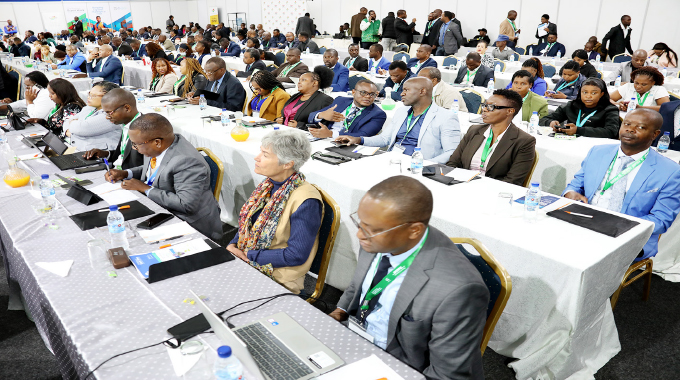
Sikhulekelani Moyo, [email protected]
LOCAL exporters have been urged to adhere to specific standards that govern the African Continental Free Trade Area (AfCFTA), which presents a massive opportunity to grow the country’s foreign currency earnings if fully harnessed.
The AfCFTA is one of the flagship projects of “Agenda 2063: The Africa We Want”, and seeks to significantly boost intra-Africa trade, particularly trade in value-added production and trade across all sectors of Africa’s economy.
It was launched during the 12th Extraordinary Session of the AU Assembly of Heads of State and Government in Niamey, Niger, in July 2019 to create a single continental market with a population of about 1,3 billion people and a combined Gross Domestic Product of approximately US$3,4 trillion.

In his remarks during the Buyers Forum, held on the side-lines of the Export Week in Bulawayo last week, Ministry of Foreign Affairs and International Trade Permanent Secretary, Ambassador Albert Chimbindi, said by aligning with the AfCFTA standards, businesses can access broader markets, positioning Zimbabwe as a competitive player in intra-African trade.
“As Zimbabwe seeks to expand its footprint in the growing AfCFTA, it becomes crucial for local businesses to adhere to specific standards that govern this market,” said Amb Chimbindi.
“AfCFTA presents a massive opportunity, but to fully harness it, Zimbabwean exporters must comply with harmonised standards across the continent.
“This includes meeting stringent quality, safety, and environmental benchmarks that can vary from country to country.”
The Government, in partnership with different organisations, including Zimbabwe Revenue Authority, ZimTrade, SMEs, and industry associations, continues to provide awareness, training, and relevant information to companies so that they embrace the Intra-Africa Trade Agreement.
Amb Chimbindi said the Government has also put in place various policies to support the growth of the export sector, including the provision of export incentives, improved ease of doing business, and infrastructure development aimed at reducing the cost of production and transportation.
He said trade facilitation is, therefore, an important component of the export cycle, with the Government focused on supporting the growth of small and medium enterprises (SMEs), including women-led and youth-led businesses.
Amb Chimbindi said SMEs play a vital role in the economy hence are at the forefront of the Government’s efforts to diversify and grow the export base.
“Through ZimTrade’s capacity-building initiatives such as the Eagles’ Nest Youth Export Incubation, and Next-She Exporter Programmes, many SMEs have been able to access new markets and increase their export volumes,” he said.
“This is particularly evident in sectors such as processed foods, agriculture and horticulture, leather and leather products, and clothing, where SMEs have made significant strides in improving the quality and quantity of their produce for export.
“To all our SME participants here today, I urge you to take full advantage of this Buyer’s platform.”
In an interview on the side-lines of the Buyers’ Seminar, ZimTrade chief executive officer, Mr Allan Majuru, said buyers spoke highly of high-quality goods produced in Zimbabwe.

He emphasised how friendly Zimbabweans are, saying this is critical as business is done between people.
“Our reliability in terms of supply and quality is a key topical issue that the buyers have mentioned,” said Mr Majuru.
He said ZimTrade is looking into different services that can be exported so that they can tap into the Intra Africa trade. The Export Week was held from Monday to Friday last week and saw more than 14 buyers from the regional market and two buyers from the international market visiting different companies around the country.



 Online Reporter