Chronicle Editor
Rutendo Nyeve, Sunday News Reporter
THE widespread use of street language as a substitute for proper isiNdebele as well as migration of both pupils and teachers have been identified as some of the key contributors in the fall of the subject’s pass rate, particularly in the southern region of the country.
Concerns have been raised over the vernacular subject’s pass rate with some parents in school WhatsApp groups claiming that the questioning, especially at Grade Seven level, is too deep for the level despite statistics provided by the Provincial Education Director (PED) for Bulawayo Mr Bernard Mazambani pointing to the contrary.
Mr Mazambani said the isiNdebele pass rate in Bulawayo has been extremely good at primary level although it declines at Ordinary Level.
“In 2021 the Ndebele pass rate was 93,89 percent at Grade Seven level and in 2022 it improved by 1,5 percent to 94,33 percent. If you look at Grade Seven over the past two years it is above 90 percent, what else could people ask for?
“As for Ordinary Level, I have statistics from 2017 which was 57,9 percent and in 2018 was 58,1 percent as an example. This was above most of the subjects at O-level,” said Mr Mazambani.
However, some parents argued that even if pupils pass the subject, the grades are not as brilliant as in other subjects.
“You find that a pupil will get Ones in Maths, English and other subjects, but then get a Three in Ndebele,” said a parent who preferred to remain anonymous.
The fall in the pass rate at O-level has thus raised concerns from members of the public, with experts highlighting the interference of “street lingo”, as well as migration as some of the factors affecting the pass rate.
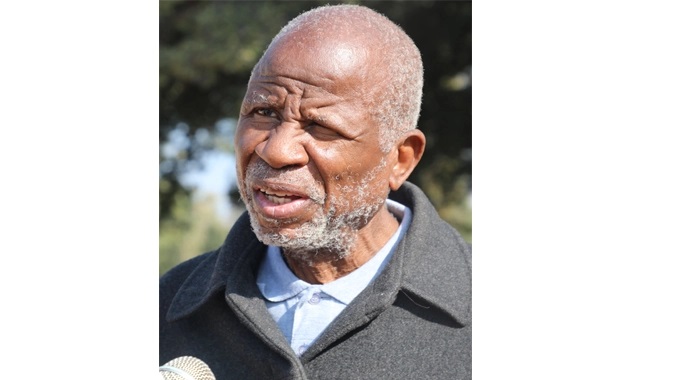
Renowned author and academic Mr Naison Tfwala said street lingo has overtaken indigenous languages.
“Social media is another culprit where language use is not respected. Pupils want to belong to the popular culture prevailing. For example, someone will be taught that ‘lolu ludaka’ but they will follow other children who say ‘amadaka’ to belong to the brigade. They think if one speaks the correct language they are outdated.
“None of the children complain about English as a second language. Mostly there is inferiority complex speaking indigenous languages, among other reasons. Even to their teachers, iSiNdebele is a second language. Now when the Government is emphasising use of all indigenous languages, some people would rather bastardise existing written languages. This will impact the other languages that are coming on board,” said Mr Tfwala.
Mr Tfwala said the Government wanted people to be conversant in their value systems which were conveyed through a language but some children were not being truthful in this.
“Somewhere along the line children are accelerating the demise of isiNdebele. Those who have genuine concern would probably come from parents who are not Ndebele. Again, available literature and authors contribute. Yes, indigenous languages are at crossroads,” said Mr Tfwala.
However, parents have expressed concern on the difficulty of the subject even at elementary level. Sunday News is in possession of a homework sent by a parent in a social media group which sparked a discourse on the difficulty of the subject. Some of the questions for Grade Six were; Inkomo entsha esibayeni ibizwani? Inkuni okuhanjwa lazo edale kuthiwa yini? Indawo okungcwatshwa khona abantwana ithiwa yini? Indlu egcinelwa ogulayo osekhulile ithiwa yini? Abazali abafelwa ngabantwana babizwani?
Educationist and cultural activist Mr Pathisa Nyathi said though statistics might be needed to validate his assertion, the teaching profession could have been hit with brain drain of iSiNdebele speaking teachers who migrated to South Africa. -@nyeve14



 Online Reporter