Trust Freddy
Herald Correspondent
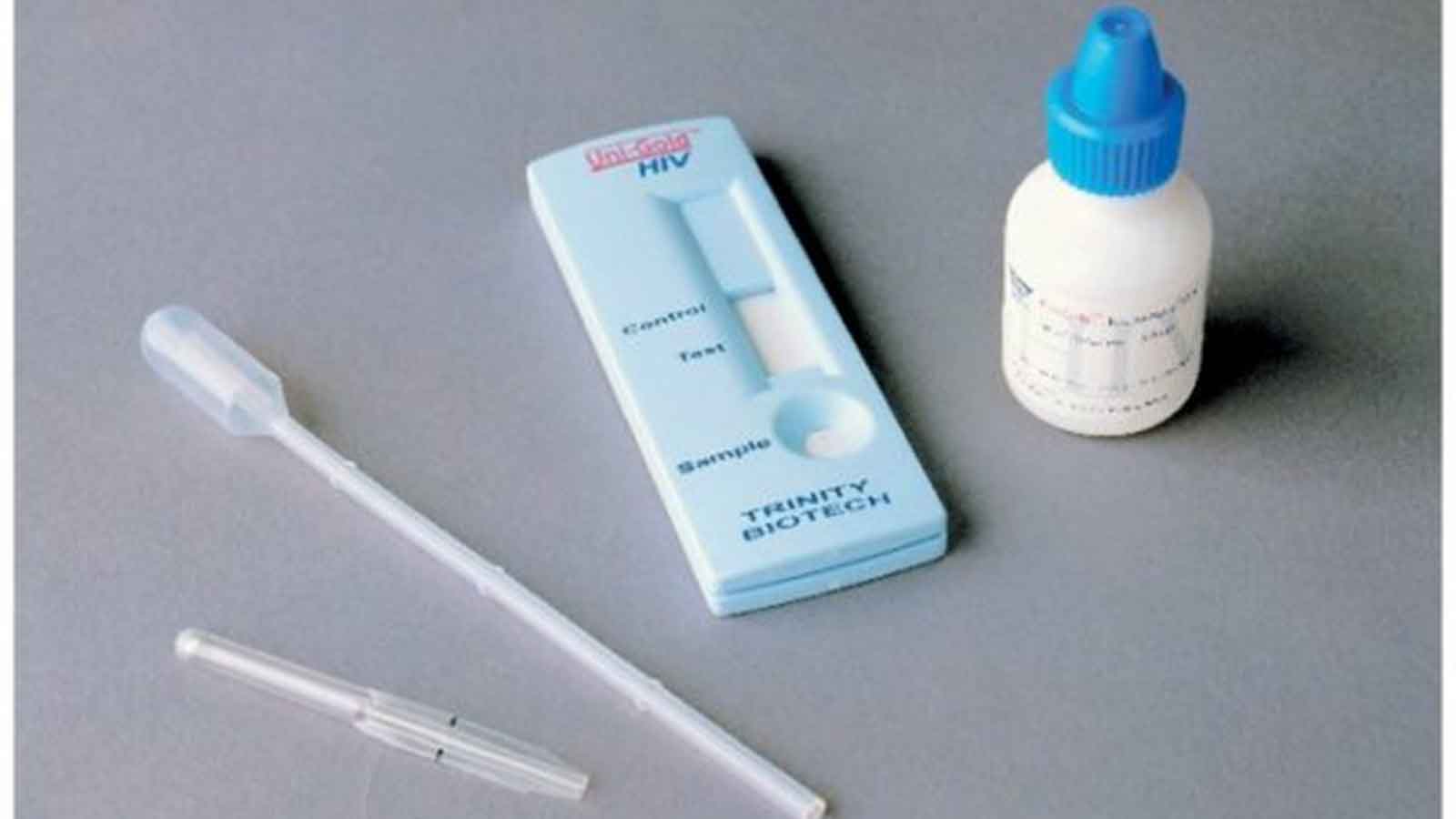
TRADITIONAL medical practitioners and herbalists have appealed to the National AIDS Council (NAC) to be supplied with HIV rapid testing kits to enhance early diagnosis and improve the referral system of patients to mainstream health facilities.
The call was made at the 2026 NAC and Traditional Medical Practitioners Council of Zimbabwe (TMPCZ) National Sensitisation Workshop, which was held in Macheke last week.
The three-day workshop brought together traditional healers from across the country’s 10 provinces to map collaborative strategies against HIV, tuberculosis (TB) and non-communicable diseases (NCDs) in line with national health targets.
Speaking on the sidelines of the workshop, practitioners noted that while they are often the first port of call for patients due to financial constraints and proximity, diagnosing conditions accurately remains a challenge.
Mrs Bridget Simango, a traditional healer from Gweru, Midlands Province, said verbal recommendations for patients to seek clinical testing often face resistance.
“We use traditional medicine to heal people, but we sometimes face challenges when patients come with HIV and AIDS symptoms while insisting they have been bewitched,” she said.
“We are requesting that NAC provide us with testing kits so we can test patients on the spot. It is often difficult to convince patients verbally to go to the hospital. As traditional healers, we want to play a complementary role. We can address the spiritual aspect first, and then refer them to the hospital once we have a clear result.”
A healer from Rusape, Ms Betty Gwatidzo, urged her peers to abandon the “know-it-all” attitude, noting that delayed referrals often lead to avoidable fatalities.
“There is no one who has 100 percent capacity to heal all diseases. It is wise to refer patients to the hospital if it is not within your capacity. We hope NAC and the Government will listen to our calls for testing kits because it does not look good when a patient succumbs while in your care, when you could have directed them to the hospital,” Mrs Gwatidzo said.
Mr Emmanuel Chadira, popularly known as Sekuru Shumba from Gokwe, strongly condemned practitioners who illegally detain critically ill patients at their homes.
“Diseases such as HIV we cannot heal, but we can help to manage and reduce symptoms. We encourage our patients to go to the clinic because it is beyond our scope,” he said.
“We condemn the practice by some fellow healers who act as ‘jack of all trades’ and keep patients in their houses until they die. Make referrals if you cannot manage the condition,” Sekuru Shumba said.
Officially opening the workshop, NAC Board Member Dr Gilbert Chahwanda said biomedical interventions alone are insufficient to eliminate public health threats.
He stressed that integrating traditional medicine with the formal healthcare system is critical to achieving the Zimbabwe National AIDS Strategic Plan (ZNASP 2026–2030) goals.
“The intersection of HIV and NCDs demands a holistic approach. It is no longer sufficient to treat HIV in isolation. We must integrate services, strengthen referral systems, and ensure communities receive comprehensive support,” Dr Chahwanda said.
He further urged traditional healers to submit their medicines to scientific scrutiny to verify their safety, quality, and efficacy, noting that standardisation would unlock commercial benefits for local practitioners.
TMPCZ acting registrar Mr Givemore Kanda reassured the public that registered and regulated traditional practitioners are structurally trained on professional ethics and prompt hospital referrals.
“Non-referral is rare, occurring in about one in 100 cases among our registered members. We train practitioners to know their limits and refer cases beyond their scope. Because communities consult them first due to proximity and lower costs, we advise them to guide patients toward scientific diagnosis at health facilities,” Mr Kanda said.
The proactive integration comes as Zimbabwe moves to align its healthcare architecture with global benchmarks like China, where traditional herbalists and conventional medical doctors coexist seamlessly and fulfil mutually reinforcing, complementary roles within the national health delivery system.
Beyond HIV, TB, and non-communicable diseases (NCDs), the workshop has expanded its scope to train traditional medical practitioners to spearhead provincial awareness campaigns against other deadly health threats, including malaria, cholera, and the raging scourge of drug and substance abuse.