admin
admin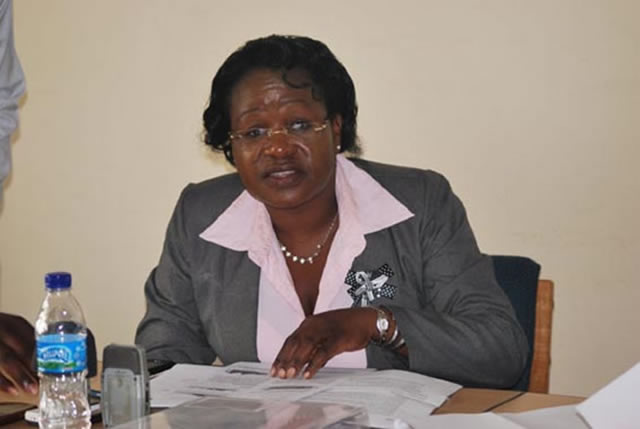

Pamela Shumba Senior Reporter
THE Ministry of Health and Child Care has launched a five-day nationwide Massive Drug Administration (MDA) programme, aimed at fighting bilharzia and intestinal worms.Thousands of children are expected to receive treatment this week.
In Bulawayo, primary school children in Grades One to Seven received de-worming treatment yesterday in various parts of the city.
The programme is targeting children aged between two and 15 years for intestinal worms and five to 15 years for bilharzia, depending on the area.
The ministry’s director for epidemiology and disease control, Dr Portia Manangazira, said the programme was part of the country’s efforts to eradicate Neglected Tropical Diseases (NTDs) in the country by 2020.
She said the ministry was not anticipating any challenges following adequate training of health officials and awareness campaigns.
“We have launched the MDA programme in Mutare, Manicaland province and our officials are already on the ground to conduct the exercise. This follows a survey that the ministry carried out in 2010 which showed that a total of eight provinces have been affected by these tropical diseases. Out of the 63 districts in the country, 57 are affected by bilharzia, while 47 are affected by intestinal worms,” said Dr Manangazira.
“Neglected tropical diseases such as bilharzia and intestinal worms have been in existence for a long time and people suffering from such diseases have been neglected. This programme started more than five years ago although some people have been living with parasites in their bodies for more than 15 years. We’re aiming at the elimination of these conditions by 2020 and this programme is part of our efforts to achieve that.”
She appealed to parents to support the programme.
Dr Manangazira said the country had eight tropical diseases to deal with but was concerntrating on only two at the moment.
“It is important for everybody to understand why we’re conducting this programme. I would like to appeal to our communities to support it so that we eliminate these conditions and also avoid re-infections. The prevalance rate of the NTDs stands at 27 percent although it varies from district to district.
“We have some districts that are co-endemic, meaning that they are affected by both bilharzia and intestinal worms while some will need to be administered for one of the two,” said Dr Manangazira.
She said with financial support from the World Health Organisation (WHO), Unicef and other partners, she was certain that the conditions will be eradicated by the targeted year.
“However, I want to appeal to communities to keep their environment clean because such diseases thrive in unhygienic conditions. The national prevalence survey conducted in 2010 indicated that the districts with the highest record of worms also have the highest prevalence of stunted growth among children,” she said.
Dr Manangazira acknowledged that the drugs could have side effects on children, which, however, was rare.
“We must appreciate that every medication comes with side effects but I want to assure the nation that this is a vital programme that will definitely promote good health in our communities.
“I want to advise parents to feed their children before administration of the drugs and also closely monitor them after administration so that they quickly recognise any side effects,” she said.
Intestinal worms are parasites that infect the gastro-intestinal tract of humans and live anywhere in the body, but mostly prefer the intestinal wall.
They can get into the intestines through the mouth from uncooked or unwashed food, contaminated water, food or hands.
Bilharzia, also known as schistosomiasis, is a type of infection caused by parasites that live in fresh water.
Besides causing other symptoms such as producing blood from the genitals, Dr Manangazira said tropical diseases could cause infertility, genital complications, and lack of concerntration among children under five, which interferes with their development.
She said affected people were more at risk of HIV infections.



 Online Reporter