admin
admin
Diana Games
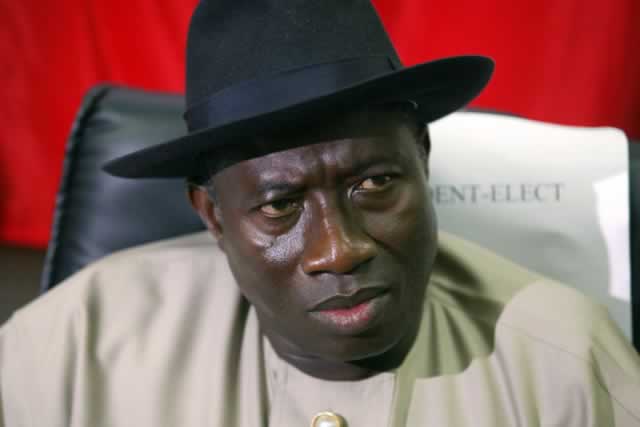
LOOKING at the personalities in the Nigerian election, just a month away, you could be forgiven for thinking nothing much has changed in Africa’s biggest economy.In 2011, President Goodluck Jonathan stood against former military ruler Muhammadu Buhari in the presidential election. This year, the two men go head to head again.
Buhari, who has lost presidential elections three times before, gained only 32 percent of votes cast in the previous poll, against 59 percent for Jonathan. But there have been some key changes since 2011. For example, Buhari is the candidate of the opposition All Progressives Congress (APC), a powerful consolidation of four smaller parties formed after the last elections.
The incumbency of the governing People’s Democratic Party (PDP), is also not as certain as it was five years ago, with the party riven by factional fighting that has resulted in many of its leading lights crossing the floor to the APC.
The fact that 18 governors out of 36 will be stepping down after serving two terms gives the APC a chance to increase power at this important level of government regardless of the election results in other structures of governance.
Buhari, who headed a military government in the 1980s, has a much better chance this time against Jonathan. His prospects have been buoyed by the serious security challenges Nigeria faces, which have gotten much worse under Jonathan.
While some see him as representing Nigeria’s turbulent military past, Buhari’s focus on fighting indiscipline and corruption sounds like the right medicine for Nigeria.
A Muslim from the north, the former military ruler is also regarded by many as the best chance the country has of fighting the Boko Haram insurgency.
His northern credentials, military background and proven leadership qualities stand him in good stead in these uncertain times. But there are many potential challenges to be overcome before the nation can look forward. A headache for electoral officials is how to deal with voting for thousands of displaced people across northeastern Nigeria, which is Boko Haram’s heartland. They may be reluctant to expose themselves to potential violence, especially given the lack of confidence in the security forces’ ability to protect them.
The three most affected states are opposition strongholds. A compromised vote would benefit the ruling party but may also be a catalyst for further violence, opening a gap that extremists could exploit.
After Buhari lost to Jonathan in 2011, allegations of election rigging led to violent protests across 12 northern states and 500 people died.
This time the stakes are much higher.
The potential for a presidential run-off election, which would be unprecedented under Nigeria’s electoral system, is another potential flash point. This is particularly so as the law allows only seven days for this to happen — a challenge in a complex country where emotions are running high.
Whoever wins this election will face tough challenges, both with regards to security and the economy. What is needed is a leader who is focused not on promoting advantage for particular groups or special interests, as has happened in the past, but on unifying the country around a properly articulated plan to take this pivotal state to the next level.
Games is CEO of African business advisory, Africa @ Work. This opinion originally appeared in bdlive.co.za


 Online Reporter