

 Online Reporter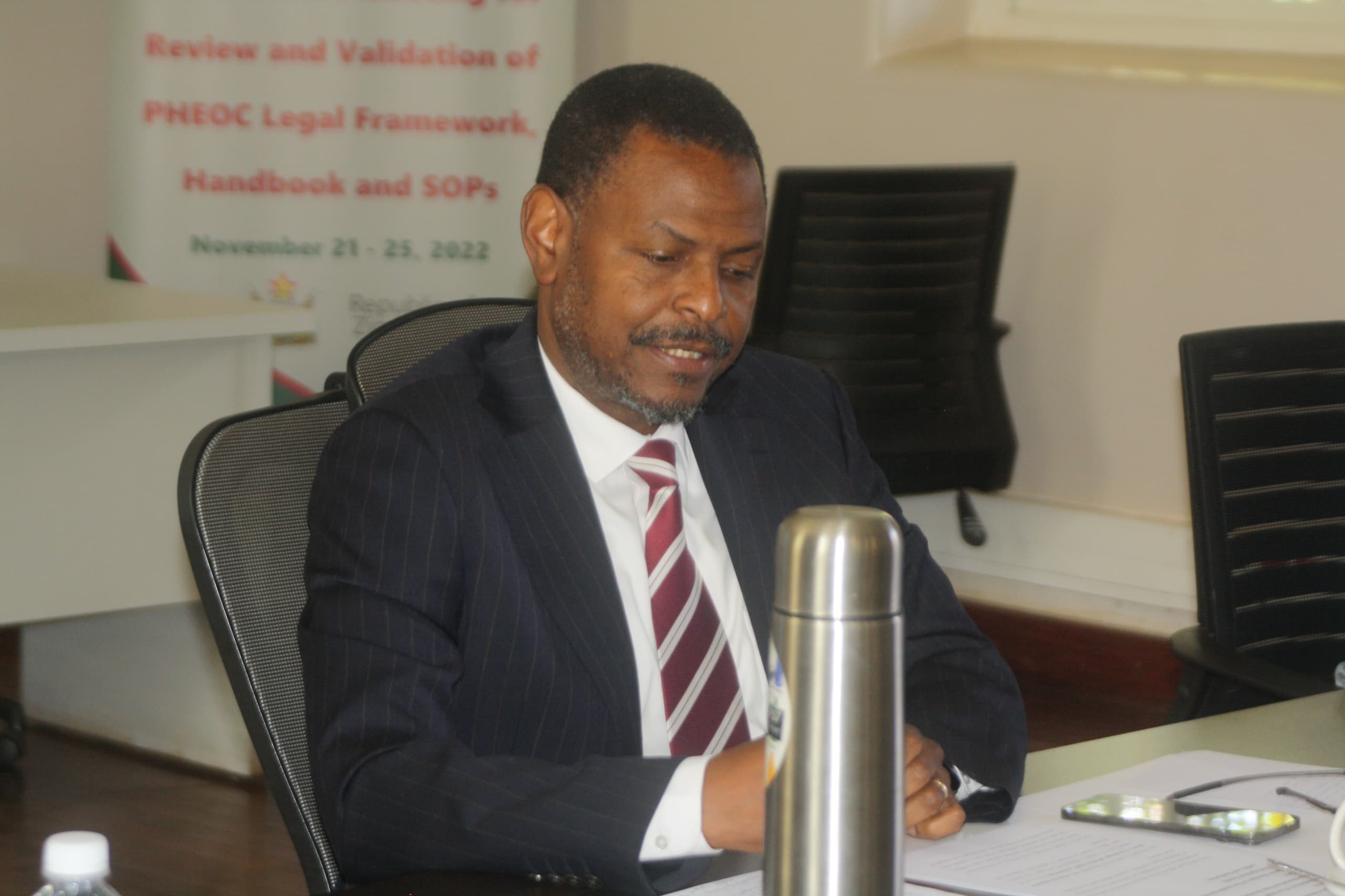
Trust Freddy
Herald Correspondent
THE Health Service Commission (HSC) has moved to implement a new preventive framework to curb drug and alcohol abuse among the country’s 52 000 health workers, shifting away from a purely disciplinary approach to save the nation’s “expensive” human resources.
Speaking at a stakeholder meeting held today at Parirenyatwa Group of Hospitals, HSC Secretary Dr Christopher Pasi said the commission is concerned by the frequency of substance abuse cases appearing as disciplinary matters.
He said dismissing healthcare professionals for addiction is a national loss, given the intensive, high-cost training required to produce them.
“The health service, in particular the professional cadres, are an expensive workforce for us in terms of training, in terms of the time that they take and the resources,” Dr Pasi said.
“It is better to have a preventive approach towards the management of these issues.”
He also revealed that one professional council reported that 10 percent of its disciplinary cases are now related to substance abuse.
The new strategy will see the HSC partnering with the Health Professions Authority (HPA) to create a technical team tasked with standardising regulations across all eight health councils.
Key features of the proposed framework include capacitating managers to identify early signs of addiction, establishing confidential peer-reporting systems, and potentially introducing breathalysers or substance testing—measures already common in the mining and manufacturing sectors.
Dr Pasi cited long working hours, the stress of patient management, and easy access to “dangerous drugs” within clinical environments as primary drivers of the problem.
“We need all our health workforce to be of sound mind when they are managing our patients,” he added, noting that the commission will also introduce “gender wellness and inclusivity” workstreams to encourage staff to seek help before their conditions reach an advanced stage.
HPA secretary-general Mrs Clotilda Chimbwanda welcomed the coordinated effort, stating that while individual councils have been dealing with reports of abuse, a unified protocol is necessary.
“We do have a challenge of drug and substance abuse that is ongoing and we commend the efforts that have been taken up by the Health Service Commission to come up with a coordinated approach that covers all the practitioners in terms of the regulators to see how we can standardise our efforts and our initiatives that we put in place to curb this and try and mitigate this,” he said.
“In terms of the extent of the problem, yes, definitely it is there. There have been reports across all the councils of substance abuse and the councils are dealing with them in different ways, where they have health committees and other protocols that they follow.
“But one of the key issues is to now come up with something standardised, which is what we are here for today with the Health Service Commission facilitating.”



