Online Reporter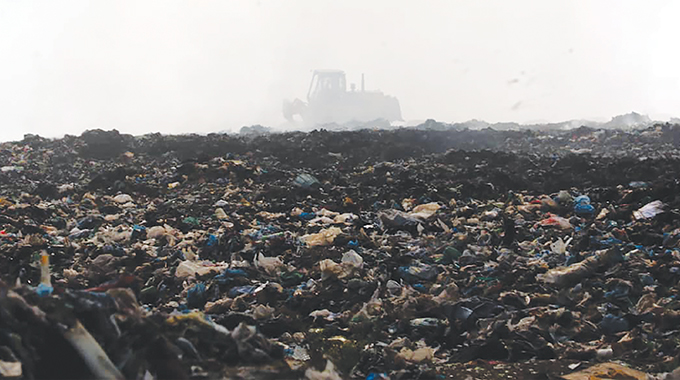
Sikhumbuzo Moyo, Check Point Desk
LIFE at Bulawayo’s Richmond landfill is a daily gamble with death. Through the pervasive stench and smoke, desperate waste pickers unknowingly handle highly dangerous medical waste, including used HIV test kits, syringes, blood-stained swabs, surgical gloves and expired medicines. This perilous practice directly contradicts clear Government regulations. Healthcare providers are in fact flouting the law by dumping these hazardous materials at municipal dumpsites thereby putting countless lives in grave danger.
“When medical waste trucks arrive, the drivers warn us not to touch the black bags but not everyone listens,” said a woman who earns a living scavenging at the site.
Another waste picker, an elderly woman who declined to be named, said they frequently come across dangerous medical waste while foraging.
“You just pray you don’t get infected. We see things we shouldn’t be seeing — items that should go to an incinerator and not an open dumpsite. I was once pricked by a syringe while collecting plastics,” she said.
These disturbing revelations have prompted renewed warnings from medical and environmental authorities.
Pharmaceutical Society of Zimbabwe president, Vimbainashe Mukakati, said the law is unequivocal regarding the safe disposal of medical waste, with any breach punishable under several legal frameworks, including the Environmental Management Act and related statutory instruments.
“It is through this legislation that incineration and landfill sites are licensed. They also stipulate how waste must be disposed of. The Medicines Control Authority of Zimbabwe follows World Health Organisation guidelines to ensure best practices are observed for the disposal of specific medicines such as antimicrobials,” she said.
Mukakati stated that pharmacies and other health facilities are required to dispose of expired or damaged goods through incineration, adding that non-compliance may result in prosecution.
She noted that special categories of medicine, including controlled substances governed by the Dangerous Drugs Act, require prior approval for destruction, and a destruction certificate must be issued to ensure accountability.
Mukakati emphasised that even for minor in-house procedures such as blood sugar testing, pharmacies must use designated sharps containers and have existing incineration contracts in place before being licensed to operate.
In Bulawayo, the recently commissioned state-of-the-art incinerator at Mpilo Central Hospital, alongside the facilities at United Bulawayo Hospitals (UBH), mean these are the primary public health institutions equipped for proper medical waste disposal. Dr William Busumani, UBH chief medical officer, confirmed that his hospital has memoranda of understanding with two local pharmacies, which pay US$10 per kilogramme for incineration services, highlighting a legitimate pathway for hazardous waste.
While some facilities comply with legal requirements, reports from the Richmond dumpsite suggest that some healthcare providers are flouting regulations, thereby putting the lives of residents at risk.
Environmental Management Agency (EMA) national spokesperson, Amkela Sidange, recently urged local authorities to take greater responsibility in monitoring waste disposal practices.
The growing trend of unsafe medical waste disposal not only breaches environmental law but also strips waste pickers of their dignity and safety. Without swift enforcement and accountability, the city risks turning its dumpsites into breeding grounds for the next public health crisis.