Online Reporter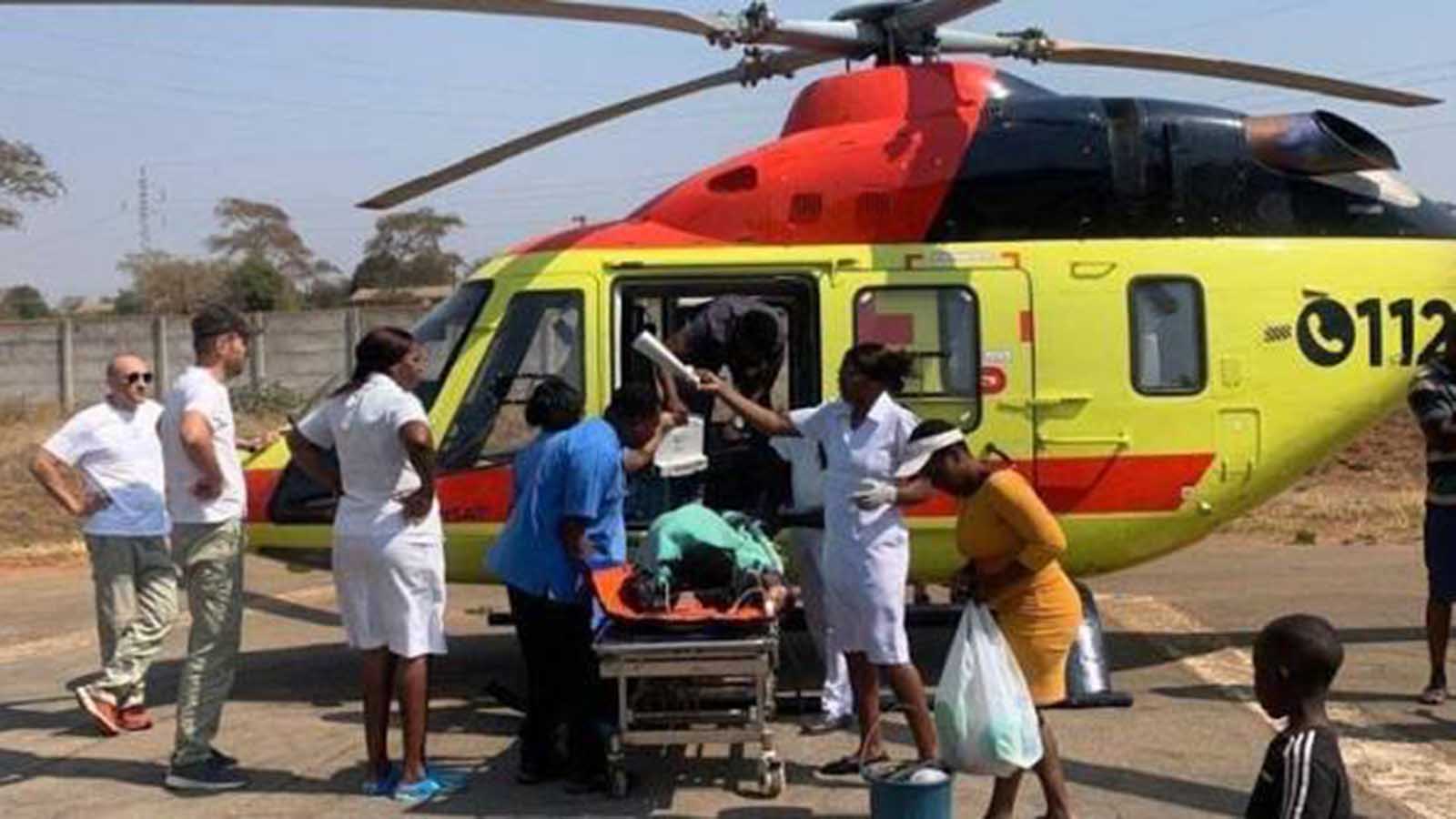
Kudakwashe Mugari
Deputy National Editor
THE milestone of nearly 2000 successful airlifts by Zimbabwe’s Helidrive National Air Rescue Service is not merely a statistic — it reflects the transformative impact of visionary leadership and international co-operation. Access to emergency medical care has long been hindered by geography and infrastructure, and Helidrive is proving to be a vital solution.
The remarkable success of the Helidrive Zimbabwe air ambulance program directly reflects President Emmerson Mnangagwa’s Vision 2030, which seeks to modernise Zimbabwe’s healthcare system and ensure universal medical access across all provinces.
Launched following a presidential partnership deal with Russian medical service HeliDrive, the initiative underscores the government’s pledge to leave “no one and no place behind”.
Helidrive has rapidly expanded its reach, particularly benefiting rural and underserved communities.
Expanding its wings from Harare to Vic Falls. The service’s ability to transport critically ill patients — many of them neonates — across vast distances to specialised care facilities is revolutionising emergency healthcare delivery.
What makes Helidrive particularly commendable is its public nature. Unlike many air ambulance services across the continent that are privatised and prohibitively expensive, Helidrive is accessible to all Zimbabweans.
This inclusivity is a bold stride towards health equity and a model that other African nations would do well to emulate.
Globally, similar air rescue services have had profound impacts. In Australia, the Royal Flying Doctor Service has been a cornerstone of rural healthcare for nearly a century, drastically reducing mortality rates in remote areas. In India, the launch of Government-subsidised helicopter ambulances in states like Uttarakhand has significantly improved trauma survival rates in mountainous regions.
Even in South Africa, the Emergency Medical Services (EMS) air wing has been instrumental in bridging the urban-rural healthcare divide.
These examples show that air rescue services are not luxuries — they are necessities in modern healthcare systems, especially in geographically diverse nations.
For Zimbabwe, Helidrive’s success augurs well for broader health system reform. It signals a shift towards proactive, inclusive, and technologically enabled public health infrastructure.
As the service expands to Victoria Falls and eyes future bases in Masvingo, Mutare, Kariba, and Buffalo Range, sustained investment is essential.
The establishment of a national emergency call centre and the procurement of additional helicopters must be prioritised to ensure that no Zimbabwean is ever out of reach of urgent medical care.
Helidrive Zimbabwe chief medical doctor Dr Freddy Mhondiwa hailed the impact of the air services in Zimbabwe
‘’As Helidrive Zimbabwe National Air Ambulance Service, we are proud to mark the opening of our new operational base in Victoria Falls, a strategic development that significantly strengthens emergency medical response capacity in the region,” he said.
“This new base positions us to deliver timely, high-quality aeromedical services to both tourists visiting one of Africa’s premier destinations and the surrounding local communities who require urgent access to advanced medical care.
‘’Our teams are fully prepared and operational, with robust emergency response systems in place to manage medical evacuations, trauma care, and critical care transfers across the region. Importantly, this expansion also enhances our readiness for the upcoming international Cricket World Cup events to be hosted in Victoria Falls.
“We are working to ensure world-class medical preparedness, rapid response capability, and seamless coordination with local health and emergency stakeholders to support athletes, officials, visitors, and residents alike.”
Helidrive is not just saving lives — it is restoring faith in public health systems. Let us support its growth with the urgency and commitment it so clearly warrants.