Online Reporter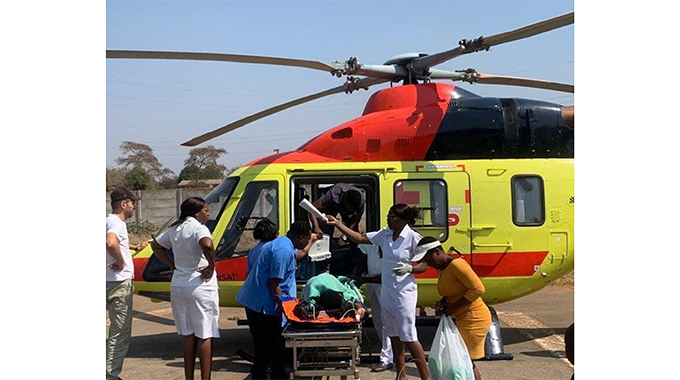
Sikhumbuzo Moyo
HELIDRIVE National Air Rescue Service, a pioneering Zimbabwe-Russia partnership launched last year, has so far successfully airlifted 485 patients, including 130 from the Matabeleland region, 40 percent of whom were paediatric patients requiring urgent care.
The initiative was born out of the need for the Government to improve access to emergency medical care, particularly in remote areas where road infrastructure is poor and distances to health facilities are vast.
Previously, patients in outlying districts like Binga, Tsholotsho, Gwanda, or Lupane often faced delayed or even fatal outcomes due to transport challenges. The air ambulance service now offers a lifesaving alternative, capable of reaching patients in under an hour, a feat previously impossible in many rural emergencies.
The service, Africa’s first non-privatised national air ambulance system, is revolutionising emergency healthcare delivery in Zimbabwe by providing critical air evacuation services to patients in remote and underserved areas, significantly reducing the time it takes for them to access life-saving treatment.
Dr Major Mhondiwa, a doctor with Helidrive Zimbabwe, said the service has provided crucial support in medical emergencies across the country, especially in Matabeleland North and South, where rural isolation often limits access to specialised care.
Dr Mhondiwa said among the patients from the region were four children with haematological malignancies who needed immediate transfer to Harare for specialist treatment.
He said in another recent case, they evacuated a critically injured patient from a road traffic accident scene on the Harare-Bulawayo highway.
“A recent notable mission involved the rapid evacuation of a patient seriously injured in a road traffic accident along the Harare-Bulawayo road,” said Dr Mhondiwa.
He said the majority of flights from the Matabeleland region have involved rural emergency evacuations in hard-to-reach communities.
Helidrive operates a fleet of 18 helicopters, with six currently active, all fitted with state-of-the-art medical equipment capable of delivering intensive care-level support mid-air. Each helicopter can cover a radius of 180 kilometres, ensuring rapid response times in urgent situations.
The programme is also investing in local capacity-building. So far, eight pilots and 32 medics have been trained in Harare, Bulawayo, and Victoria Falls, enhancing the sustainability of the initiative and embedding specialised skills within the local healthcare workforce.
With operational bases currently in Harare and Bulawayo, Helidrive plans to expand to Masvingo and Victoria Falls, increasing national coverage and response capacity. This aligns with Vision 2030, which prioritises the modernisation of the healthcare sector as part of the broader national agenda to achieve upper-middle-income status.
The historic model is the first publicly funded air ambulance service of its kind in Africa. Unlike traditional private emergency services, which are often unaffordable to the general population, Helidrive’s state-funded approach ensures free access, particularly for patients in need of urgent, life-saving care.
The National Development Strategy 1 (NDS1) and the United Nations (UN) Sustainable Development Goals (SDGs) both emphasise health equity and service delivery innovation.
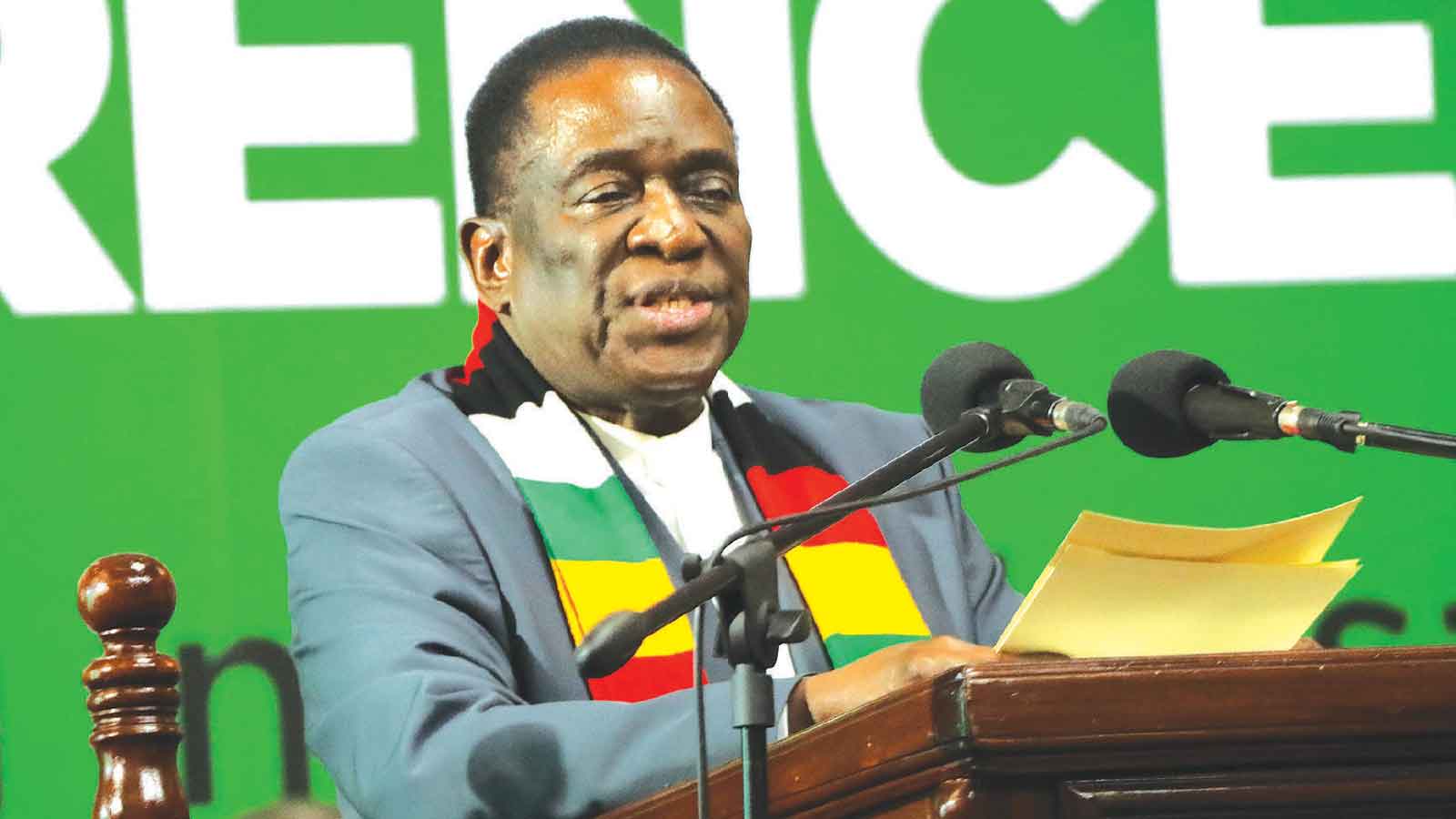
The Second Republic, under the stewardship of President Mnangagwa, is modernising the health sector as part of deliberate efforts to create a modern, prosperous, and highly industrialised country by 2030.
In June 2023, the President was in Russia, where he scouted for investors to help set up the air ambulance rescue service. Russian Helidrive Air Ambulance swiftly responded, bringing in expertise to set up a highly efficient emergency medical service.
The air ambulance service boasts a fleet of over 100 medical helicopters, which have been saving lives across Russia for the past nine years.