Moffat Mungazi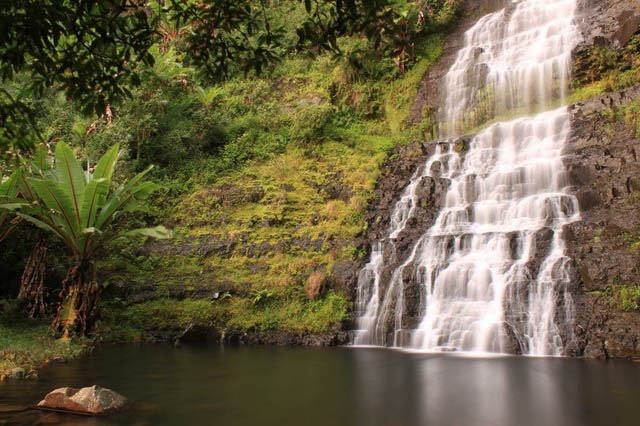
(Part Two)
Liberty Dube
Tourism Correspondent
ADDING to the captivating allures that Manicaland possess, apart from stunning rivers and dams featured in last week’s issue, the province is home to majestic waterfalls.
This is the first time Sanganai/Hlanganani World Expo will be held in the city nestled close to majestic waterfalls, offering a perfect blend of beauty and rejuvenation through sparkling waters and therapeutic serenity.
A visit to the sites will provide attendees with an unforgettable experience, blending business with the rejuvenating power of nature.
The sparkling waters and soothing sounds of the waterfalls will add an extra layer of magic to the event, creating a perfect harmony of professional engagement and hydrotherapy for all who attend.
Vumba, Nyanga and Chimanimani make up the Eastern Highlands, and the three hilly ranges are home to most waterfalls in Manicaland.
Vumba
Vumba is home to majestic waterfalls worth visiting, and adds significantly to the already exciting Vumba tourism package.
The breath-taking Nyachowa Falls, about 12km along Mutare-Burma Valley Road, add to the diverse picturesque natural heritage tourism products found in Manicaland.
It once dried up, but is now on a rebound as Nyachowa River is now full, and back to its splendour again.
It is one of the most frequented sites in Vumba, and no doubt the most popular one.
Nyachowa Falls are the second largest in the province after Mutarazi Falls.
The journey to the site, which is about 600 metres from the Mutare-Burma Valley Road is an exhilarating one.
Some sedimentary rocks such as granite, basalt, schist, limestone and shale see you through to the waterfalls.
The noisy, yet relaxing waterfalls sound welcome you as you reach the Nyachowa River bank. It also provides shade for picnic enthusiasts, and is now a perfect venue for small private parties.
Some of the trees found at the falls include Waterberry, Albizia and Strangler Fig.
The birds include the likes of the White browed robin chat, African pied wagtail, Miombo Double collard sunbird, African yellow white eye, Jameson’s fire finch, Yellow bellied waxbill, Streaky headed canary and many more.
Vumba is also home to the spectacular Marindi Waterfalls, about 20km from Mutare, along Burma Valley Road.
Marindi is easily accessible as it is quite close to the main road. The gorgeous waterfalls have two sheets of falling water.
There is an incredible rainbow in the waterfalls, which is visible, especially when the sun is behind a visitor.
For those who do not have aquaphobia, one can easily get into the water and enjoy the feeling of cool water on their skin.
A few metres around the falls, there is a picnic side and braai area.
There is a guide at the entry point, who cheerfully escorts visitors to the falls which are about 200 metres away.
And then about 21km from Mutare’s Central Business District, there is little known, yet equally majestic, Excelsior Falls.
Known for their dramatic cascades and stunning surroundings, these waterfalls have become a favourite destination for water enthusiasts and nature lovers alike.
The falls’ crystal-clear waters and peaceful ambiance offer the perfect escape for those looking to connect with the natural world.
The falls’ consistent flow, along with their accessible location and tranquil environment, make them a prime spot for photography, picnics, and variety of outdoor activities.
The surrounding lush vegetation adds to the enchanting atmosphere, creating a serene setting for visitors to relax and explore.
And then there are Chinamata Falls, which are also one of the highest in the province, and situated about 30km from Mutare.
The lush surroundings are teeming with life — vibrant bird species flit from tree to tree, while the rustling leaves of ancient forests whisper secrets of a time long past.
It is a place where nature’s untouched beauty speaks to the soul, inviting you to slow down and savour every moment.
The landscape here is both wild and welcoming, sanctuary for those eager to experience the raw beauty of Zimbabwe’s natural world.
Chinamata Falls are not just a destination — they are an experience — a celebration of nature’s most splendid wonders.
Time seems to stand still as you lose yourself in the spectacle before you, knowing that you are witnessing something truly magical, far from the reach of the ordinary world.
Chimanimani
After the deadly and devastating Cyclone Idai in 2019, Chimanimani became a new fresh tourism product after it regenerated itself.
Apart from known waterfalls such as Bridal Veil and Hanoni, various falls were created and remain unnamed.
A visit to Chimanimani’s highest waterfalls, Bridal Veil, comes with well-deserved hydrotherapy.
Situated about 4km from Chimanimani Tourist Village, the magnificent site is now bigger and more attractive, thanks to Cyclone Idai which repositioned the tourism site.
The eye-catching site is located within the boundaries of Chimanimani National Parks. Its water cascades over a cliff like a veil covering a bride’s face, hence its befitting name.
The setting of the falls is a trove of exotic and indigenous trees which are dotted around the park.
For outdoor lovers, having your picnic a stone’s throw away from the majestic falls is a relaxing experience.
A gazebo for shelter in case it rains is in place and doubles up as a resting area.
The environment around Bridal Veil, with its clean fresh air, is indeed therapeutic.
One can walk on a short hiking trail and experience the different splash-pools that eventually lead to the main Bridal Veil waterfall.
Bird watching is one of the most therapeutic activities, and one is spoilt for choice at the Bridal Veil.
Beautiful, unique and sometimes scary, yet harmless birds that can be found in Chimanimani include Gurney’s sugarbird, Stripe-cheeked greenbul, Cape bunting, Yellow-streaked greenbul, Diedrick cuckoo, Emerald cuckoo, scarce swift, Mountain wagtail, taita falcon, Collared sunbird, Olive sunbird and of course the Singing cisticola, a bird that can provide soothing melodies while hidden in the thickets of trees.
Trees such as Trema orientalis — Pigeonwood, Rauvolfia Caffra — Quinini Tree, Celtis Africana — White Stinkwood, Bridelia Micantha — Velvet Bridelia, Acacia Sieberiana and Macaranga Mellifera are visible there. Other small yet beautiful falls along Changazi River in the district include, Mufandaedza, Chiedzaramo, Canaan and Chayambuka.
Nyanga/Honde Valley
Mutarazi and other waterfalls like Pungwe, Nyakupinga, Nyamuzihwa and Nyangombe make Nyanga one of the districts with the highest number of waterfalls in the country.
Harmoniously arranged in meandering Nyanga thickets, the cascade of water falling into a pool with slippery rock and lush grasses is a common feature at these waterfalls.
Nyangombe falls are one of the most visited waterfalls in Nyanga.
The crystal clear waterfall is like a giant shower as the water cascades down into a natural swimming pool and a sandy area called Brighton Beach.
Just 12km from Nyanga, one can simply walk to the falls upon reaching the ZimParks offices.
One can easily have a feel of the falls while having a swim in the not-so-deep river.
As the water falls into the river with a booming sound and turbulence, the waterfalls become nature’s way of sharing the beautiful music of the world.
A visit at the falls provide the much-needed and highly recommended hydrotherapy.
The setting of the falls is a trove of beautiful indigenous and exotic trees which are not far away from the river that they feed in.
The site is ideal for picnics.
Another breathtaking natural wonder in Nyanga is the Nyakupinga Waterfalls, which are located about 2,7km away from Nyanga Holiday Homes.
The waterfalls, which are within a private property, have some parts which are rocky and full of twigs in water, while another part, which is the main waterfalls, can allow a visitor to have a memorable swimming expedition.
There is a small natural pool, which is often called the little “Devil’s pool”.
Nyanga is also home to one of most spectacular waterfalls, Pungwe Falls.
According to ZimField Guide, walking in the Pungwe Falls and gorge area should not be done alone.
Pungwe Falls are located in the area overlooking Honde Valley.
Flowing swiftly over the Pungwe drift, it falls down a series of beautiful tiers and plunges before gathering its strength in the pool and throwing itself over the main fall in a cascade of foam 240m into the densely wooded Pungwe Gorge.
It then flows over the border into Mozambique before finally reaching the sea in Beira.
The breathtaking waterfall is surrounded by rocks, open plains, trees, bushes and undeveloped land.
Mutarazi Falls are the most popular of all.
They are one of Zimbabwe’s largely pristine landscapes.
At 772m, they are the highest waterfalls in Zimbabwe, and second highest in Africa after the Tugela Falls of Kwazulu Natal in South Africa.
The aura around the falls is both soothing and intimidating. Watching the water glide mid-air down to the plunging pool is like a flight down an unending abyss that takes your mind off all the worldly worries.
The magnificent falls are accompanied by two daredevil activities, the Zipline and Skywalk.
Whoever visits Mutarazi Falls needs to partake in these exhilarating activities that are not for the faint hearted.
The Skywalk is an audacious walk on two suspended bridges that overlook the waterfalls and the views from this vantage point is unparalleled.
On the other hand, the Zipline is a 400m line that runs from one side of the waterfall to the other.
It is the ultimate challenge for adventure seekers and the glide across the high escarpment is a marvel not only to the one gliding but even to those watching.
Calls, however, have been made to rehabilitate the roads leading to the sites as the access is not matching the popularity.


 Online Reporter