Online Reporter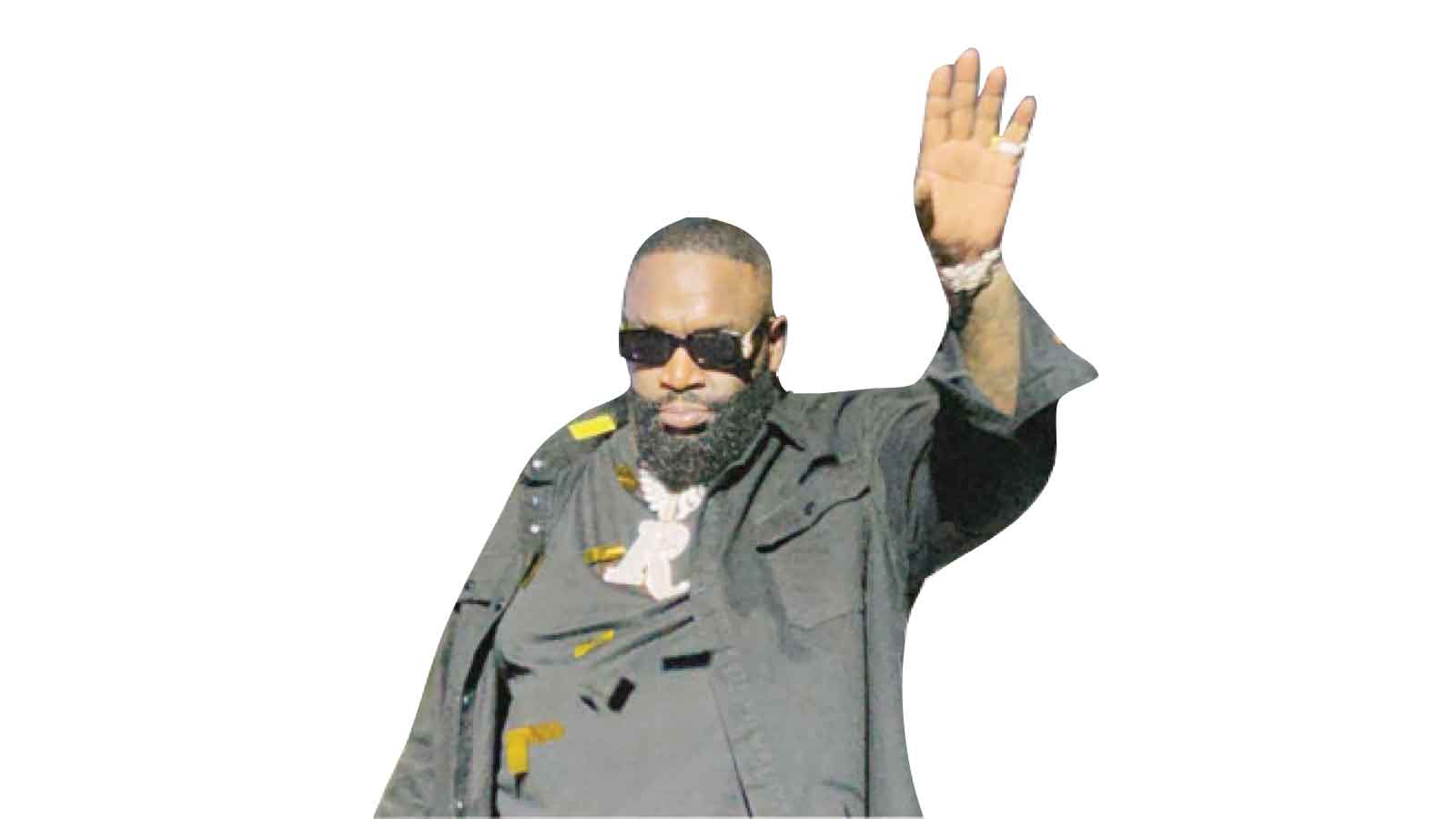
Latwell Nyangu-Zimpapers Arts and Entertainment Hub
HARARE witnessed a rare convergence of sound, culture and celebration when the Hustle and Heritage concert lit up the city, turning the Hippodrome into a late-night carnival of rhythm and spectacle.
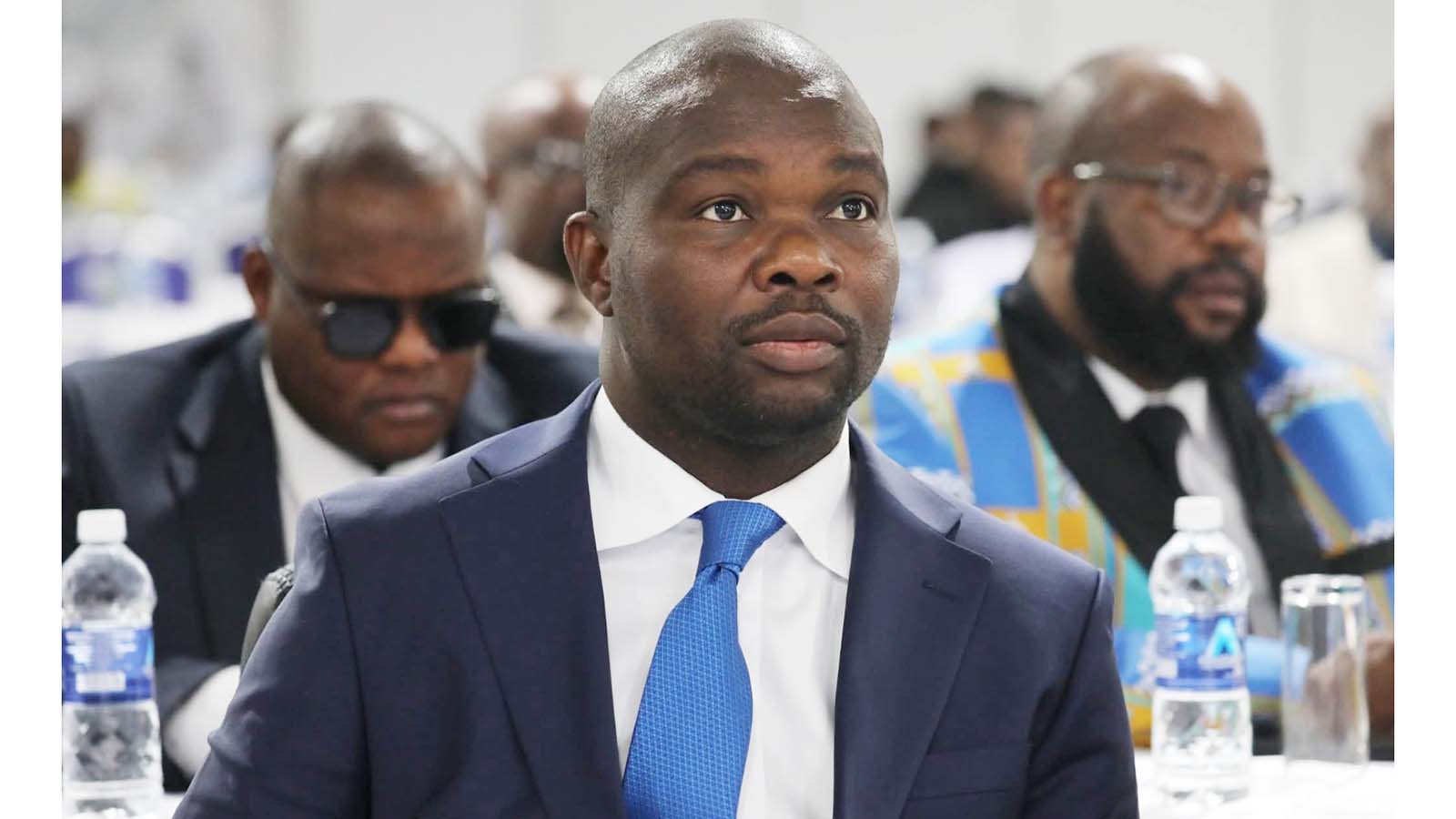
While international billing placed American rap titan Rick Ross at the top of the poster, it was Nigerian Afrobeats star Omah Lay who etched the most indelible memories into the night. The show doubled as a celebration of businessman Scot Sakupwanya’s 47th birthday, an occasion that infused the concert with a festive warmth beyond the usual performance dynamics.
From early evening, the venue drew a predominantly youthful crowd — curious, fashion-forward and hungry for a premium live-music experience that promised both global flavour and local pride.
Before the international acts took centre stage, Zimbabwean musicians asserted their presence with authority.
Shashl set an emotive tone, delivering soul-drenched melodies that instantly commanded attention. She was followed by Tamy Moyo, whose smooth vocals and poised stagecraft drew appreciative sing-alongs.
Feli Nandi kept the energy simmering with her signature blend of warmth and resonance, while Ex Q injected urgency and swagger, reminding the audience of hip-hop’s enduring pull.
Together, the local line-up painted a broad picture of Zimbabwe’s sonic diversity. Rather than being treated as warm-up acts, they were embraced as central contributors to the night’s narrative — a clear nod to the depth of homegrown talent. The transitions between acts were seamless, allowing genres to overlap naturally and reinforcing the show’s theme of cultural exchange.
As the clock edged closer to midnight, anticipation sharpened. The roar that greeted Omah Lay’s arrival was immediate and overwhelming. From the opening bars, he transformed the Hippodrome into a communal dance floor. Fans sang in unison, arms raised, voices echoing long after each chorus faded.
His performance was intimate yet explosive — a masterful balance of vulnerability and energy that drew even casual listeners into the moment.
Omah Lay’s set became the emotional peak of the night. He spoke little, letting the music do the work, and the response was unmistakable.
By the time he stepped off stage, it was clear he had shifted the centre of gravity; the crowd was fully invested, exhilarated and demanding more.
At approximately 1:30 AM, Rick Ross finally made his entrance. The anticipation surrounding his arrival carried a different weight — one of curiosity and spectacle.
Draped in confidence, the hip-hop mogul delivered a commanding performance defined by presence rather than familiarity.
While not all attendees could recite his catalogue, his authority on stage was undeniable. He moved with assurance, interacting with the audience and soaking in the significance of performing in Harare.
The contrast between Ross and Omah Lay underscored the night’s unique dynamic: star power versus emotional connection.
Where Ross embodied global hip-hop prestige, Omah Lay represented immediacy — music that spoke directly to the crowd’s lived experience. Together, they offered two distinct but complementary interpretations of international excellence.
Throughout the night, birthday cheers for Sakupwanya punctuated performances, adding a personal layer to the spectacle. The guest of honour was visibly embraced by friends, associates and fans, turning what could have been a conventional concert into a shared celebration. The mood felt familial — less corporate, more communal.
Attendance remained moderate, but enthusiasm never dipped. Young fans dominated the space, dancing tirelessly and sustaining the energy deep into the night.
Their presence reinforced a growing truth about Zimbabwe’s live-music scene: scale matters less than spirit.
As the clock crept toward dawn, Takura and Freeman delivered the closing chapter with commanding performances that pushed the night past 3 AM. Their set provided a distinctly local finale — gritty, celebratory and unapologetically Zimbabwean.
Hustle and Heritage ultimately succeeded because it resisted hierarchy.
Instead of overshadowing local talent, it placed Zimbabwean voices alongside international stars in a way that felt balanced and intentional.