

 Moffat Mungazi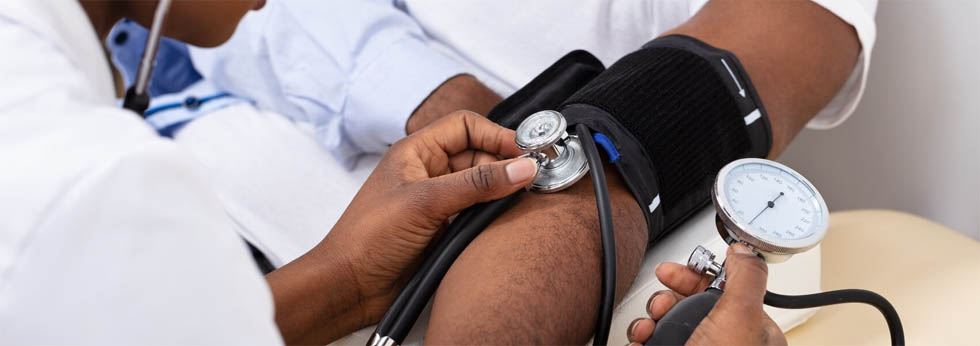
Dr Tendai Zuze
Health Matters
MOST of us know someone who seemed perfectly healthy until the day they collapsed from a stroke, or suddenly needed dialysis, or died from a heart attack without warning.
In many of these tragic stories, there is one silent culprit quietly working in the background; high blood pressure also known as hypertension.
Hypertension is one of those conditions that does not knock loudly at your door.
It sneaks in quietly, without symptoms, and does its damage silently until one day the consequences become devastating.
That is why it is often called “the silent killer.”
The name isn’t dramatic, it is accurate.
In Zimbabwe, this condition is far more common than many people realise.
In both urban centres and rural communities, more and more adults are living with high blood pressure, often without even knowing it.
Recent estimates suggest that about one in every three adults over the age of 30 may be hypertensive, but only a fraction are diagnosed, and fewer still are receiving proper treatment.
That means there are thousands of people walking around each day, unaware that their blood vessels are under constant strain, putting them at risk of life-threatening complications.
What makes high blood pressure especially dangerous is that it does not usually cause pain.
You can feel completely normal while your arteries are being damaged over time.
This damage increases your risk of stroke, heart failure, kidney disease, and even vision loss.
By the time symptoms appear—like headaches, chest pain, or shortness of breath—the damage may already be advanced.
So what can be done?
The first and most important step is awareness.
Everyone over the age of 40 should have their blood pressure checked at least once a year, even if they feel perfectly well.
Those with a family history of hypertension, diabetes, or cardiovascular disease should start earlier and test more frequently.
A simple, painless test that takes less than two minutes could be the difference between catching a problem early and facing a medical emergency.
But awareness is only the beginning.
Managing blood pressure often requires lifestyle changes—things that are not always easy, but are absolutely worth it.
Reducing salt intake, eating more fruits and vegetables, cutting back on processed foods, and avoiding excessive alcohol can all make a significant difference.
Physical activity plays a crucial role too.
A brisk walk for at least 30 minutes a day, five days a week, can help keep your heart and blood vessels in check.
And if you smoke, quitting is one of the best things you can do—not just for your blood pressure, but for your overall health.
Stress is another factor we tend to underestimate.
The pressure of daily life, financial challenges, job insecurity, family responsibilities — these weigh heavily on us, often without us noticing.
But chronic stress can contribute to sustained high blood pressure.
Taking time to unwind, rest, pray, talk, or simply breathe deeply can go a long way.
Mental health and physical health are deeply connected, and one should never be ignored in favour of the other.
For some people, lifestyle changes alone may not be enough.
This is where medication comes in—and it is important to understand that starting medicine does not mean you have failed.
High blood pressure has many causes, including genetics, and treating it effectively often requires a combination of lifestyle and medicine.
The real danger lies in stopping medication without medical advice, especially when someone “feels better.”
Remember, feeling better does not mean the problem is gone—just that it is under control.
In our communities, we need to start talking more openly about conditions like hypertension.
It should be as normal to ask someone if they have checked their blood pressure as it is to ask if they have had tea today.
Churches, workplaces, schools, and sports teams should all play a role. Blood pressure machines should be as common as thermometers.
It is time to change the way we think about health; away from waiting for illness, and toward preventing it.
High blood pressure is not something that only affects “other people.” It is here, it is common, and it is dangerous, but it is also manageable.
And that is where the power lies: in knowing, checking and acting.
For more information on high blood pressure, contact [email protected].


 Online Reporter