Chronicle Editor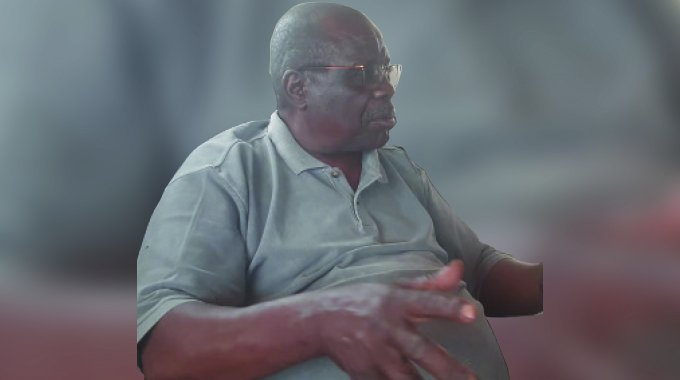
Robin Muchetu, Senior Reporter
RESIDENTS in various suburbs of Bulawayo have expressed dissatisfaction over outrageously high water bills they are receiving despite some having not been supplied with council water since last year.
Some of the bills seen by the Sunday News are approaching US$2 000 and residents have called for a probe arguing that council should not be allowed such daylight robbery.

The city is currently grappling with a severe water-shedding programme due to the dwindling supply from various dams, some of which have already been decommissioned.
Mr Adam Dube, a resident of Newton West suburb voiced his frustration, stating, “I have had no city council water, not a drop for the whole of 2023 and half of 2024 but I have been billed all that period… The billing is done through estimations for the past two and a half years or so.
“I have been billed about US$120 per month including water that I am not using, as a result my bill is going up badly. I paid US$400 two months ago after having paid another US$300 before and I still have US$1 300 to pay.”
Mr Dube said he approached the local authority and was instructed to provide his actual meter reading as the council has been relying on estimates.
Corporate communications manager, Mrs Nesisa Mpofu, for the City of Bulawayo told Sunday News that the city was facing a shortage of water meter readers and was therefore relying on estimates.
“The City of Bulawayo bills for all services monthly… Due to the growth of the city, the available meter readers are not adequate to read all the meters every month. Non-domestic meters are read every month while domestic meters are read +/- two times in three months.”
“Whenever meters are not read, to enable billing, the system estimates of consumption based on previous three months’ average consumption,” she said.
Mr Dube, however, raised concerns regarding the estimates, emphasising, “I live alone here, I do not have water, I use borehole water… I want them to check on their last official bills that they read from this premise and what they have been billing me for and see my consumption patterns and if they tally with their estimates.”
He added that the verification of occupancy could lead to fairer billing practices, as different households have varying numbers of residents that affect water consumption.
Another resident, who preferred to remain anonymous, expressed her disbelief at her bill totalling US$700, despite living alone.
“I actually have had a borehole for the past seven or so years… if you compare my bills to others, it is absurd. I got a bill of US$788. How does a family of seven get similar bills to me who lives alone?” she queried.
Residents said council must take into account the diverse living situations of residents when “estimating” their bills.
Mrs Mpofu reassured residents that the city is conducting a work-study aimed at increasing the number of meter readers for better accuracy in billing. She also encouraged residents to submit their own meter readings via WhatsApp to ensure accurate consumption data.
Moreover, the city is exploring smart metering solutions that provide two-way communication for monitoring water usage.
To tackle accessibility issues, the city plans to announce meter reading schedules through various media channels and to implement measures aimed at addressing issues where meter readers are unable to access premises.
“Invocation of the water sewerage and drainage by-law will be subjected to those who deny council officials access to their homes,” Mrs Mpofu said adding that the city will replace malfunctioning meters to enable them to get accurate readings.
Explaining the reason for some unusually high bills, she noted, “Some high bills were/are a result of extended periods of not reading water meters between February 2020 and June 2021 due to the Covid-19 pandemic.”
She urged consumers to ensure meter access and to repair any potential leaks in their plumbing systems to prevent unnecessary charge accumulations.
“Consumers are encouraged to allow meter readers access to meters or submit their readings plus check for and repair pipe, tap and cistern leaks and pay their bills in full on or before the due date or make suitable payment plans to avoid the accumulation of debts,” she said. —@NyembeziMu


 Online Reporter