Anashe Mpamombe
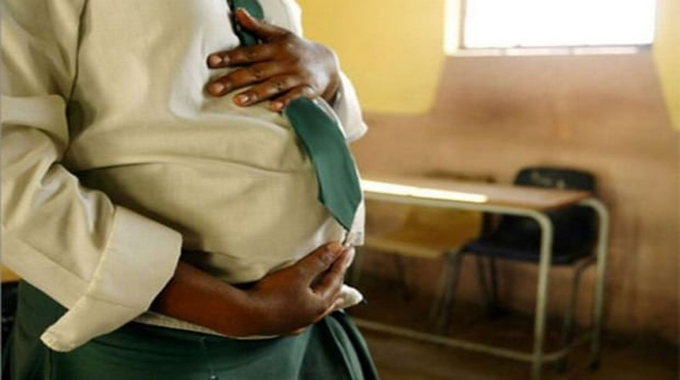
TEENAGE pregnancy remains a significant social and public health challenge in Matabeleland South. Despite sustained efforts by the Government and its development partners, the prevalence remains worryingly high.
According to the Zimbabwe National Family Planning Council (ZNFPC), the province has a teenage pregnancy rate of 27 percent, which is above the national average of 23 percent.
The figures illustrate the magnitude of the challenge. Matabeleland South has approximately 190 000 women of reproductive age, defined as women between the ages of 15 and 49.
Of this number, around 40 percent are not using modern contraceptive methods, meaning many remain outside formal family planning programmes.
These statistics tell us two important things. Firstly, the challenge remains substantial. Secondly, continued Government intervention is essential if meaningful progress is to be achieved.
What is driving the problem?
Health officials attribute the high rates of teenage pregnancy to three main factors: early sexual activity, limited access to youth-friendly health services, and social and cultural barriers that prevent people from accessing reproductive health services.
Blessed Gumbi, the ZNFPC Matabeleland South Provincial Manager, says early and unprotected sex places young girls at considerable risk. These risks include school dropout, sexually transmitted infections (STIs) and HIV.
The consequences extend beyond the affected girls. When young people leave school prematurely because of pregnancy, communities and the nation lose valuable human capital. Educational attainment declines, future employment prospects are reduced, and household incomes are negatively affected. Ultimately, this makes it more difficult for the country to achieve its broader national development objectives.
Government is not standing still
It is important to acknowledge that the Government has not been idle in addressing this challenge.
Through the Ministry of Health and Child Care and the ZNFPC, significant progress has been made in expanding reproductive health services across Matabeleland South.
Numerous health facilities have been upgraded, while maternal health services have been strengthened. Nurses, doctors and other healthcare professionals have received specialised training to manage pregnancy-related complications, including those affecting adolescents. These interventions demonstrate a clear commitment to safeguarding maternal health and improving access to quality healthcare services.
Family planning programmes have also expanded considerably. Mr Gumbi says that of the province’s 190 000 women of reproductive age, approximately 118 000 — about 60 percent — are now using modern contraceptive methods.
This progress has been driven by public outreach programmes, community education initiatives and partnerships with organisations promoting reproductive health awareness.
The results demonstrate that sustained Government investment and coordinated interventions can produce positive outcomes.
But gaps are still there
Despite the gains recorded so far, several challenges persist.
A significant number of women continue to rely on natural family planning methods, which are generally less reliable than modern contraceptive options. Others are not using any family planning method at all due to stigma, misinformation and cultural barriers.
Male involvement also remains limited. In many households, family planning is still regarded as a “women’s issue”. Such perceptions are counterproductive. When men are excluded from reproductive health discussions and decisions, communication within families suffers and the effectiveness of family planning programmes is reduced.
Stigma remains another major obstacle. Some young people avoid seeking services because they fear judgement from healthcare workers or community members. Others continue to believe myths and misconceptions about contraceptives. In many communities, cultural silence surrounding sexual and reproductive health makes meaningful conversations difficult.
What should happen next?
The progress achieved thus far confirms that Government-led interventions can deliver results. The solution is not to scale back these efforts but rather to strengthen successful programmes while addressing existing weaknesses.
Here are six practical steps the Government can take:
1. Expand youth-friendly health services in rural and urban areas
Many teenagers still avoid health facilities because they fear stigma and a lack of privacy.
Public health institutions should continue strengthening adolescent health corners and ensure healthcare workers are trained to engage young people respectfully while maintaining confidentiality.
When clinics are welcoming and safe, more adolescents are likely to access services. This can contribute significantly to reducing unintended pregnancies.
2. Strengthen comprehensive sexuality education in schools
Government policy already supports life-skills education within schools. However, these programmes should be further strengthened and made more practical.
Learners require accurate information on reproductive health, consent, healthy relationships and responsible decision-making. Equipped with accurate information, young people are better positioned to make informed choices.
Schools remain one of the most effective platforms for prevention, and teachers, parents and healthcare professionals must work together to ensure learners receive consistent and factual guidance.
3. Intensifying community awareness through ZNFPC and local leaders
Mr Gumbi points out that stigma and misinformation continue to discourage people from utilising family planning services.
Government should therefore increase community outreach campaigns. Traditional leaders, churches and community-based organisations should play a greater role in public education efforts.
When trusted community voices speak openly about reproductive health, it becomes easier to challenge harmful myths, break the culture of silence and encourage responsible behaviour.
Village health workers can also play a crucial role by taking accurate information directly into communities.
4. Scale up male involvement programmes
ZNFPC has already begun engaging male family planning champions and partner organisations.
This is a positive development that should be expanded across the province and throughout the country.
Men’s forums, fathers’ groups and dedicated men’s health programmes can help increase awareness and participation. When men understand and support family planning, households are better equipped to make informed decisions together.
This not only improves outcomes but also reduces conflict within families.
5. Continue investing in maternal health and teenage pregnancy care
The Ministry of Health and Child Care has invested in upgraded theatres and the training of healthcare personnel to manage pregnancy-related complications, including those involving teenagers.
These investments must continue.
Continues on www.chronicle.co.zw
Additional resources for infrastructure, medical equipment, medicines and skilled personnel will improve service delivery and save lives.
Young mothers often require specialised care because their bodies are still developing. Access to safe delivery services and comprehensive postnatal care remains essential.
6. Link reproductive health to social protection and youth empowerment
Poverty remains one of the underlying drivers of teenage pregnancy.
Families experiencing economic hardship often face vulnerabilities that place young girls at greater risk.
Government should therefore integrate reproductive health initiatives with social welfare programmes, educational support schemes and youth skills development initiatives.
Keeping girls in school, supporting vulnerable households and creating economic opportunities can help reduce the conditions that contribute to early sexual activity and early relationships.
Progress should be recognised, but not used to relax
Matabeleland South continues to record a high teenage pregnancy rate. That reality cannot be ignored.
However, the progress achieved should also be acknowledged. More women are now using modern contraceptives. Health facilities have become stronger. More healthcare professionals are capable of managing complications. Community outreach programmes are reaching larger numbers of people.
These achievements demonstrate that Government-led interventions are both necessary and effective.
To reduce teenage pregnancy further, sustained commitment, increased investment and improved coordination between Government departments, communities, schools, churches, traditional leaders and development partners will be required.
Dismantling existing programmes will not solve the problem. Building upon them will.
The focus should be on addressing weaknesses, scaling up successful initiatives and making services more accessible to young people.
A healthier future is possible
Every teenage pregnancy that is prevented represents a young person who can remain in school, develop valuable skills and pursue future opportunities.
It represents a family facing fewer social and economic pressures, and a community enjoying better health and development outcomes.
With continued Government leadership, more youth-friendly health services, stronger sexuality education, increased community engagement, greater male involvement and stronger links between reproductive health and poverty reduction programmes, Matabeleland South can reduce its teenage pregnancy rate significantly.
The task is not a small one, but the way forward is clear.
Protect our girls. Support our families. Strengthen our healthcare system. And continue investing in the programmes that are already delivering results.
That is how we secure a healthier, more productive and more prosperous future for the young people of Matabeleland South.