admin
admin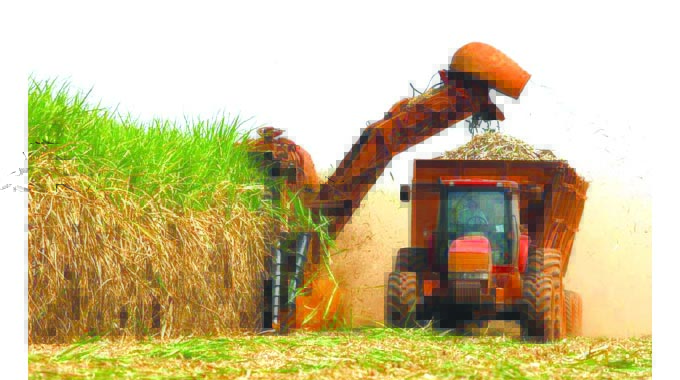
Enacy Mapakame
LEADING sugar producer Hippo Valley Estates Limited says it has madesignificant headway towards securing 99-year leases for new project land, with 16 802 hectares, representing 95percent of the hectarage under consideration, having been signed off at year-end.
The development is expected to boost bring certainty in the business and bosst the giant rwa sugar production project’s bankability.
“Engagements with the Government regarding the issuance of the balance of the 99-year leases, aswell as amendments to the wording of current leases for bankability, transferability, and other necessary changes are ongoing,” said Hippo chiefexecutive officer Mr Tendai Masawi.
“Considerableprogress has been made on the signing of the leases by the Minister of Lands, Agriculture,Fisheries, Water and Rural Development,” he said in an update accompanying thegroup’s performance for the year to March 31, 2024.
According to the group, the total surveyed area for Hippo Valley has now been established to be17 644 hactares from the original estimate of 23 979 hactares.
“Of the 17 644 hactaresabout 16 802 hactares have been signed off (95 percent) by the Minister andonly 802 hactares now remain.
Engagements with the Ministry to have theremaining area also signed off are in progress,” added Mr Masawi.
A few years back, Hippo engaged in anambitious initiative, Project Kilimanjaro, to expand cane production andraw sugar volumes, but full implementation was slowed due to lack of clarity onland tenure, which also created funding challenges.
On completion,Project Kilimanjaro is expected to contribute significantly to the industry’s ability to fully utilise its installed capacity of 600 000 tonnes of sugar by2024/25 while positioning Zimbabwe as one of the most competitive sugarproducers in the region.
Meanwhile, thepast harvesting season closed with improved cane deliveries from the company’splantations (miller-cum-planter) with a 13 percent increase above the sameperiod in prior year.
This increase wasdriven by a 6 percent improvement in yields to 97,98 tonnes of cane per hectare resultingfrom improved control of yellow sugarcane aphid infestations through aerial spraying, as well as an increased area of cane harvested compared to the prior year.
Accordingto the group, private farmer cane deliveries were 2 percent below the prioryear on account of some 234 hectares of cane carried over to the 2023/24 season.
However, despitean upside in overall cane deliveries, there was a marginal decrease in thesugar produced by the milling operations.
This resultedfrom lower cane quality attributable to prolonged wetness arising from rainsreceived at the onset of the season that hurt cane quality.
The wet weather in December 2022 also impacted the quality of cane harvested assignificant rainfall was received during the month.
Meanwhile, Hipposays it has sufficient water to sustain its irrigation projects, which shouldcushion the business from the adverse impacts of the El Nino induced drought.
The company acknowledgedthe El Nino weather phenomenon’s negative impact in slowing economic growth, which isprojected across many business sectors that depend on water for irrigation.
However, thegroup allayed fears of moisture stress for the company’s cane.
“The company’smajor dams are holding sufficient water to support optimal irrigation regimesfor the coming season,” said Mr Masawi.
“With low waterlevels at Manjirenji and Siya Dams at 39,8 percent and 59,3 percentrespectively as of 6 May 2024, the Zimbabwe National Water Authority (ZINWA)plans to rationalize water supplies from these dams in order to mitigateimpacts on the crop until such time the water stocks improve,” he added.
But the otherwater sources, Tugwi Mukosi, and Lake Mutirikwi are at 79,9 percent and 94,3percent, respectively.
In line withthis and other strategies, the group is forecasting a 4 percent increase insugarcane harvest for the 2024/25 season.
The company, inpartnership with Triangle Limited, is poised for higher productivity in the2024/25 season, with plans to harvest 945,471 metric tonnes of sugarcane and receive739,329 tonnes from private farmers.



 Online Reporter