Online Reporter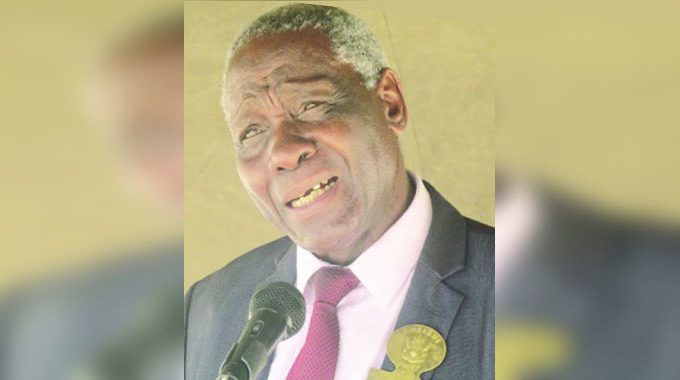
Rutendo Nyeve and Tanyaradzwa Rusike, Zimpapers Writers
ZIMBABWE is set to commence a landmark national healing and reconciliation initiative with the roll-out this week of the long-awaited Gukurahundi public outreach programme aimed at addressing the post-independence disturbances that affected Matabeleland and parts of the Midlands Province in the 1980s.
The outreach programme begins with the launch of the Matabeleland Peace Building Programme on Thursday marking a watershed moment in Zimbabwe’s post-independence history and fulfils one of President Mnangagwa’s signature undertakings upon assuming office where he pledged to confront the nation’s painful past in order to forge a united future.
The programme will, for the first time, provide affected communities in Matabeleland North and South with a formal platform to speak openly about their experiences, propose remedies and participate meaningfully in the national discourse on truth, justice and reconciliation.
Since assuming office, President Mnangagwa has committed to transparently confront Zimbabwe’s troubled past, committing to resolve issues related to the historical events.

The “victim-centred, culturally grounded process”, being led by traditional chiefs from the two provinces is expected to lay the groundwork for a unified future for Zimbabwe after one of the most painful episodes in Zimbabwe’s post-independence history.
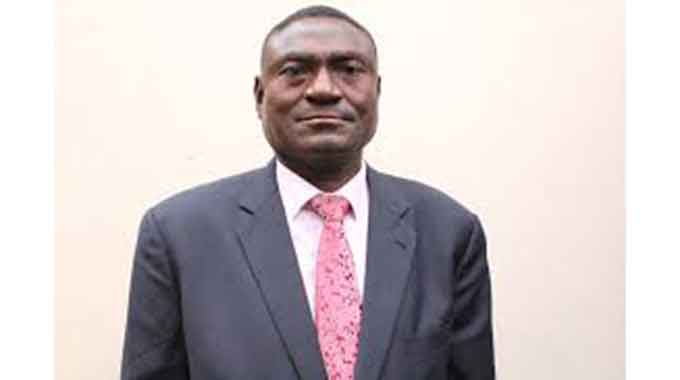
In an interview with Zimpapers, National Council of Chiefs president Chief Mtshane Khumalo confirmed that all preparations are complete.
“The chiefs are ready, the people are ready, and the structures are in place. Respective chiefs will determine where the hearings start in their villages, ensuring the process is community-led and culturally sensitive,” he said.
The hearings will be headquartered in Bulawayo at the former National Peace and Reconciliation Commission (NPRC) offices, located at the corner of 9th Avenue and Joshua Mqabuko Nkomo Avenue.
Chief Khumalo said the Bulawayo office will serve as the central coordination point/command centre, with teams deployed to various districts to gather testimonies.
The Gukurahundi conflict, which occurred between 1983 and 1987, remains one of Zimbabwe’s most unfortunate historical episodes. The late former President, Robert Mugabe described it as a “moment of madness,” but survivors and victims’ families have long demanded formal acknowledgment, justice and closure.
President Mnangagwa’s administration has backed the traditional leaders to lead the process, framing it as part of broader efforts to foster national reconciliation.
The Government has further assured that the process will be transparent, victim-centred and free from political interference to be meaningful.
Chief Khumalo explained that the hearings will be conducted with utmost respect for cultural protocols.
“We understand the sensitivity of this matter. The chiefs will ensure that survivors and families feel safe to share their experiences,” he said.
Traditional leaders, working alongside trained counsellors and documentation teams, will record testimonies, which will later inform recommendations for reparations and memorialisation.
Transparency remains a key concern, and Chief Khumalo assured that regular updates will be provided.
“We will brief the media on a weekly to fortnightly basis to keep the nation informed. This is not just a Matabeleland issue; it is a national issue that requires collective understanding,” he said.
Attorney-General Mrs Virginia Mabiza, who is also head secretariat for the Matabeleland Peace Building Outreach Programme, said the initiative is a direct response to the President’s call for truth-telling, reconciliation and justice.
“The outreach programme will initially cover Matabeleland North and Matabeleland South provinces,” she said.
“The programme is anticipated to run for approximately six months.
“However, this timeline is flexible and will be influenced by the turnout and level of community participation in each area.
“The approach is deliberately community-driven, ensuring that adequate time is allocated for meaningful engagement, documentation and support in each region.”
She said the initiative aims to provide a safe platform for affected communities to share their experiences and propose recommendations for reconciliation and national healing.
“Launched under the directive of His Excellency President Mnangagwa, the programme aims to provide a safe platform for affected communities to share their experiences and propose recommendations for reconciliation and national healing.
“Its ultimate goal is to promote sustainable peace and unity across the country.”
The Government, she said, aims to create a dignified and inclusive platform for structured community dialogue that upholds principles of openness, mutual respect and participatory justice.
“This platform will uphold the principles of openness, mutual respect and participatory justice, allowing affected communities to engage meaningfully in the national discussions on truth, healing and reconciliation.
“Key outcomes include the collection of community submissions, the identification of survivors’ needs, and the formulation of community-driven recommendations.
“Importantly, this initiative endeavours to deepen and reaffirm the existing trust between the State and affected communities, creating a solid foundation for sustained healing and reconciliation.”
The programme adopts a victim-centred approach, primarily targeting victims of the disturbances, their family members and those with lived experiences of the events, she added.
Traditional leaders will play a central role, with chiefs leading outreach panels, facilitating dialogues, and guiding the documentation process.
“Traditional leaders are central to the process,” said Mrs Mabiza.
“They are the custodians of local customs, community trust and moral authority.
“Their proximity to the people and embeddedness within local contexts make them indispensable in ensuring that the outreach process is responsive, culturally sensitive and grounded in the lived realities of the communities it seeks to serve.”
To ensure broad participation, the programme will use local languages, provide psychosocial support, conduct targeted outreach to marginalised groups including women, the elderly and persons with disabilities and facilitate private hearings for those uncomfortable speaking publicly.
While acknowledging the media’s vital role in fostering transparency and public awareness, Mrs Mabiza said journalists will not be permitted to attend hearings directly due to the sensitive nature of testimonies.
“In light of the deeply personal and sensitive nature of the testimonies to be shared, media representatives will not be permitted to attend the hearings directly,” she said.
“This measure is intended to preserve the dignity, privacy and emotional safety of participants.
“Instead, traditional leaders, who are leading the outreach, will provide periodic briefings and updates to the media on the general progress and key findings emerging from the process.”
Political analyst Mr Derick Goto described the commencement of the outreach as a pivotal moment in Zimbabwe’s ongoing efforts toward national healing and unity.
“It reflects the Government’s commitment under the Second Republic to inclusive dialogue, truth-telling and reconciliation, conducted within a culturally sensitive and locally driven framework,” he said.
“Rather than being externally imposed, this process recognises the authority of traditional leaders and affected communities.
“It affirms that healing must be rooted in dignity, respect and national sovereignty.
“This is not only about addressing the past but also about building a shared future where historical wounds are acknowledged and resolved openly in the spirit of peace and progress.”