Online Reporter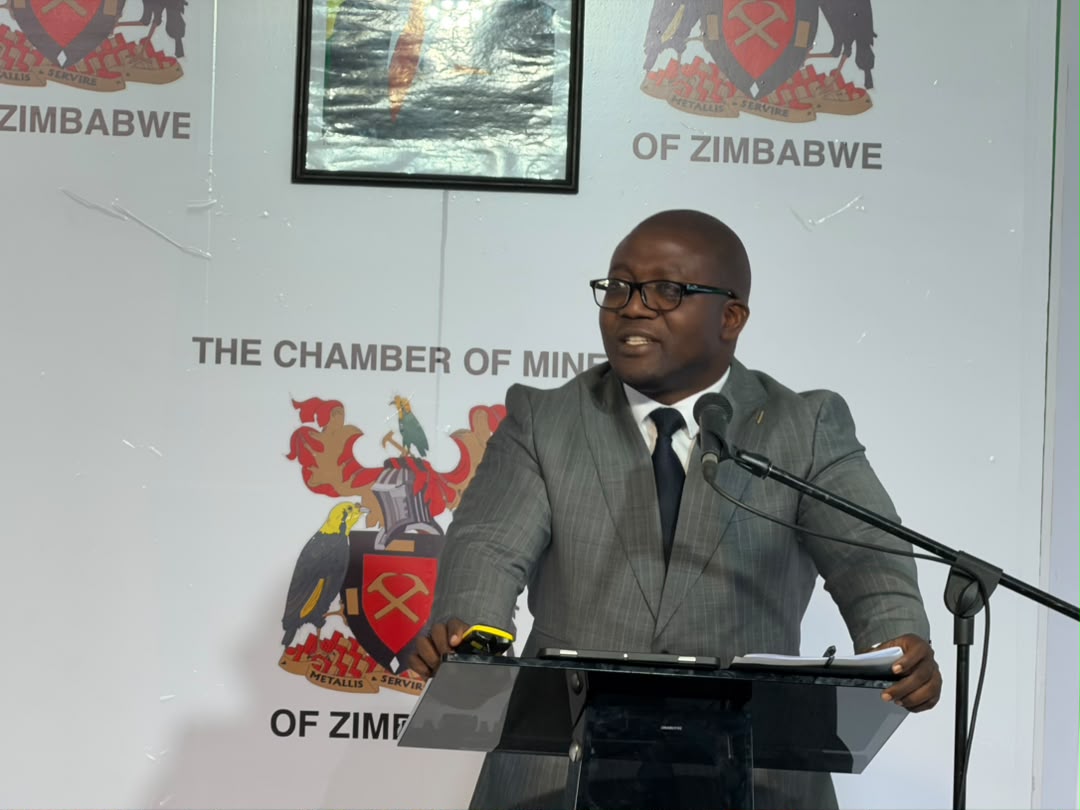
Nqobile Bhebhe
[email protected]
Industry and Commerce Minister Nqobizitha Mangaliso Ndlovu says Zimbabwe must urgently reposition its industrial strategy to keep pace with rapid technological advances and the global transition to green energy saying failure to embrace emerging technologies will leave the country dependent on imported innovations and advanced materials.
Speaking during the Suppliers, Energy and Infrastructure Symposium held alongside the 29th Mine Entra Conference and Exhibition, the Minister said the country’s industrialisation agenda should be aligned with the changing global economic landscape.
The symposium was held under the theme, “Enhancing Local Content and Linkages in the Mining Value Chain.”
Minister Ndlovu said the world was already moving beyond the Fourth Industrial Revolution, making it imperative for Zimbabwe to begin integrating next-generation technologies into its industrial development plans.
“We are talking about the New Industrial Revolution beyond the Fourth Industrial Revolution. These conversations need to start filtering into our own discussions because failure to catch up will mean we continue importing technologies and advanced materials,” he said.
He said Government’s forthcoming Industrial Development Policy would, for the first time in many years, place significant emphasis on strengthening linkages between the mining and manufacturing sectors as part of efforts to accelerate value addition and beneficiation.
“It is the first time in a long time that we have an industrial development policy that is very elaborate on the linkages between the mining sector and the manufacturing sector.
“We have a specific pillar dedicated to mines, mineral beneficiation and industrialisation,” he said.
Minister Ndlovu said stronger integration between mining and manufacturing would enhance local value addition, deepen domestic supply chains and stimulate industrial growth while reducing reliance on imported products.
To support this objective, he said Government had established a Local Content Steering Committee comprising representatives from the mining, agriculture and manufacturing sectors to strengthen collaboration across productive industries and increase the uptake of locally produced goods and services.
He said Government was also considering incentives for mining companies that prioritise local procurement and actively support domestic manufacturers, a move expected to boost local industry while retaining more value within the economy.
Minister Ndlovu said the mining and manufacturing sectors remained among Zimbabwe’s biggest economic pillars and, if properly integrated, had the potential to significantly transform the economy.
“I am not a prophet, but I am a realist. If policymakers and Industry come together, these two sectors are easily a US$30 billion opportunity.
“There is a lot that we have not done right that requires minimal effort for us to correct,” he said.
He said Zimbabwe already possessed considerable manufacturing capacity to supply the mining industry with a broad range of products, including blasting and drilling equipment, electrical cables, engineering products, crushing and mineral processing equipment lifting systems and specialised safety products.
The Minister said increasing the utilisation of these locally manufactured products would strengthen local content, create jobs enhance industrial competitiveness and support Government’s broader economic transformation agenda through value addition and beneficiation.