Online Reporter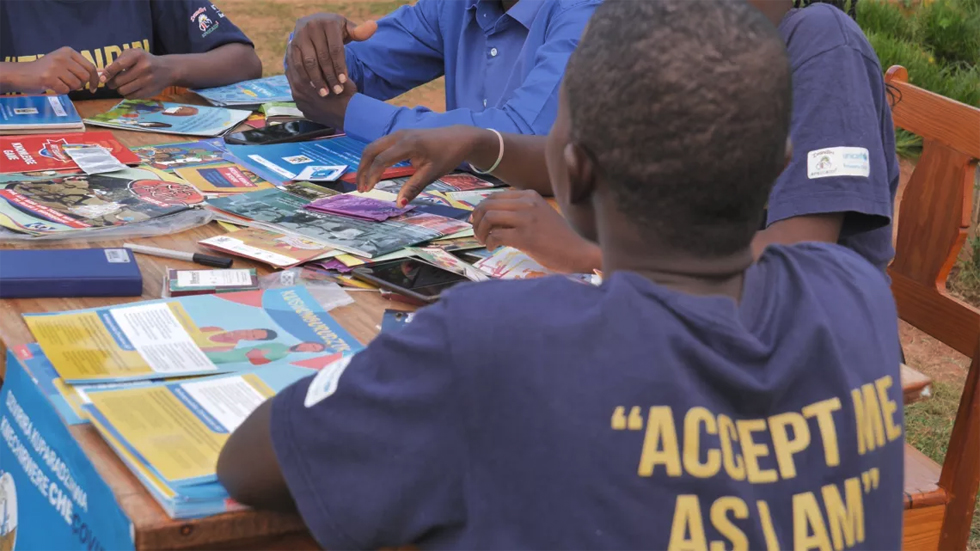
Tendai Gukutikwa
Health Reporter
RESIDENTS of Dangamvura living with HIV are receiving vital emotional, medical, and economic support through community-based empowerment groups.
The initiative complements Government’s ongoing efforts to strengthen community health systems and eradicate AIDS by 2030.
The programme, operated by the local health-focused organisation, Windows of Hope, in partnership with the Ministry of Health and Child Care, seeks to support and enhance Government’s community health strategy by addressing the psychosocial and economic needs of people living with HIV, particularly in densely populated areas.
The programme’s coordinator, Sister Barbra Mutisi said this directly aligns with the National HIV and AIDS Strategic Plan and Vision 2030, which prioritise decentralised and people-centred health interventions.
“The support groups are empowering participants to live positively, while fostering dignity, inclusion, and resilience in the face of ongoing stigma and social challenges.
‘‘Through structured support groups, peer education, and life skills training, the initiative is helping to close gaps in HIV care that are not always addressed within conventional healthcare systems,” she said, adding that this was established after local clinics and community health volunteers observed widespread emotional distress, isolation, and poor treatment adherence among HIV patients.
“Many of our participants were quietly battling depression and facing rejection in their homes or communities.
‘‘We created a safe space where they can share their experiences, receive support, and rebuild their self-worth in line with Government’s call for holistic and inclusive approaches to healthcare delivery,” she said, adding they offer comprehensive package that includes psychosocial and spiritual counselling, nutritional education, income-generating skills training, treatment adherence monitoring, and community-based outreach activities.
“When people are emotionally and economically empowered, they are more likely to stick to their treatment and participate actively in society.
‘‘That is what national progress looks like on the ground,” she said.
She said they work closely with local clinics to ensure that group members continue to receive their antiretroviral medication without interruption and report any health complications early.
The economic empowerment component of the initiative has also proven to be transformative as participants are trained in basic entrepreneurship, savings schemes, and small business management.
Beneficiaries have already started poultry, vegetable gardens, and tailoring businesses using their own income to support their families and improve livelihoods.
The programme also conducts outreach programmes targeting schools, churches, and other public spaces, where it hosts anti-stigma campaigns to educate the public and encourage acceptance of people living with HIV.
Sister Mutisi said family and community engagement is another central component of the programme.
She said their ultimate goal is to help participants regain a sense of purpose, rebuild their lives, and contribute to their communities.