shloboe boe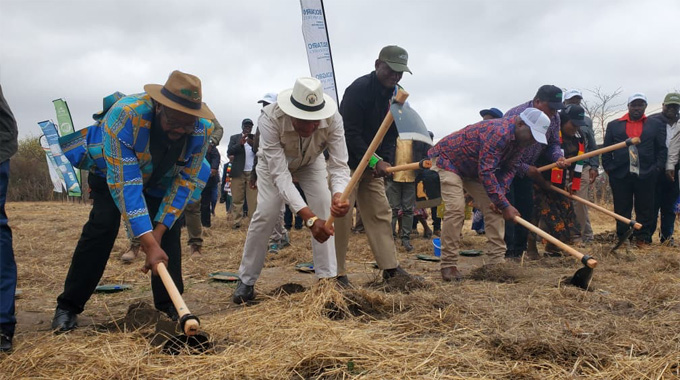
Theseus Shambare, Features Writer
IN many corners of rural Zimbabwe, a single US$5 note can mean a full day bent over the fields, so when work is scarce and the rain uncertain, a family’s hope often grows only where their hands can reach.
For Mr Patrick Dube, 71, and his wife, Lita, 59, from Kombo Village in Insiza District, Matabeleland South province, the stubborn red earth behind their home has long been both their burden and their blessing.
Recently, that quiet homestead suddenly became the centre of national attention after their local Agriculture Business Advisor chose it to host the 2025/26 Pfumvudza/Intwasa launch, impressed by the couple’s discipline, consistency and last season’s unexpected success.
When ministers toured the Dubes’ 20 neatly mulched plots, they stopped more than once, surprised by how two elderly farmers had coaxed such life from dry land.
When they returned to the tents, Minister of Lands, Agriculture, Water, Fisheries and Rural Development, Dr Anxious Masuka began his speech by gifting Mrs Dube US$300 as a gesture of gratitude that soon snowballed to nearly US$1 000 as other ministers joined in.
“This is more than money,” Mrs Dube whispered, palms still dusted with clay, “it is someone saying, ‘We see you.’”
Mr Dube, quieter, simply said, “She plans everything; I just follow her lead.”
Just two years ago, their entire harvest across maize, sorghum, millet and groundnuts barely reached a tonne, forcing them to ration even dreams because every season felt like betting against the sky.
This year, their maize came in at two tonnes, sorghum more than quadrupled and their total 3,75-tonne haul felt to them like touching rain before it falls.
“What the Dubes achieved is not magic,” said agronomist and Arda board chairman Mr Ivan Craig on the sidelines of the launch, “it is consistency, mulching, careful timing and a system designed to give every plant a fair chance.”
Their homestead is changing with their fortunes, too, with a new toilet built, a second borehole expected soon after the first was declared a dry hole and a solar system being installed to bring clean water and evening light to what was once a dim yard.
According to the recent Ardas report, more than 15 million Intwasa plots have been prepared nationwide, and inputs for over three million households are already being moved from Grain Marketing Board depots to ward-level distribution points in preparation for the summer season.
Under this year’s plan, farmers in Regions 4 and 5 will receive drought-tolerant small grains such as sorghum and pearl millet, while those in Regions 1, 2 and 3 will get maize seed and oilseeds suited to higher rainfall zones, ensuring every farmer plants crops that match their area’s rainfall patterns.
Each household will receive a full input package that includes seed, basal and top-dressing fertiliser, lime where needed, and chemical support, with the Dubes among the early recipients after their plots were verified and cleared by their ward committee.
To curb misuse, leakages and political manipulation, local Input Distribution Committees — made up of traditional leaders, councillors, Agritex officers, churches and community representatives — have been set up nationwide to oversee delivery, storage and issuing of inputs.
Zimbabwe Commercial Farmers’ union (ZCFU) president Dr Shadreck Makombe said what the Dubes are doing is what the nation needs — “planning with intention, farming with discipline and believing that small plots can build big futures.”
Climate expert and University of Zimbabwe lecturer, Dr Walter Svinurai, warned that without climate-smart changes, rain-fed maize yields could plunge by a third by 2050, making Pfumvudza/Intwasa not just a programme but a shield for rural communities facing a shifting climate.
Fisheries director Mr Milton Makumbe, shared how secure crops open doors to aquaculture, noting that new high-quality tilapia broodstock from the Food and Agriculture Organisation would help farmers in hot regions diversify income and nutrition through faster-growing fish.
He said integrated farming — crops in the field and fish in the pond — is “the kind of resilience that turns a household from surviving to living.”
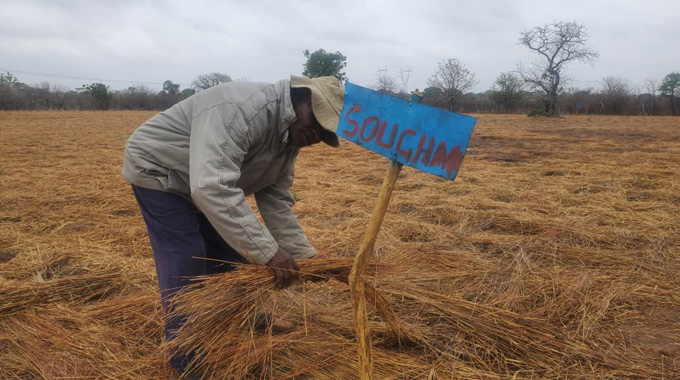
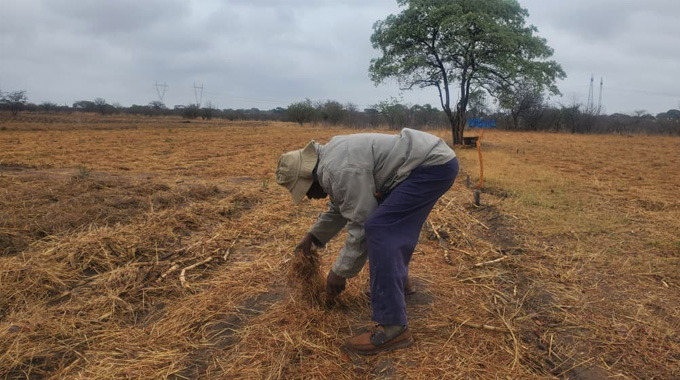
As sunset settled over Insiza after the speeches and applause faded, Mrs Dube knelt again beside her Intwasa holes, pressing mulch gently around the edges while Mr Dube spread dry grass in slow, steady arcs.
The evening breeze carried the smell of damp earth, and for a moment the couple stood quietly together, as if listening to the soil breathing beneath them.
“This is bigger than us,” Mr Dube said softly, watching the last light rest on their plots. It is the beginning of something our children will not only eat from, but live from.”
And in the quiet of Kombo Village, every small, mulched hole looked less like hard labour and more like a promise of dignity, of resilience and of a future planted with hope.


 Online Reporter