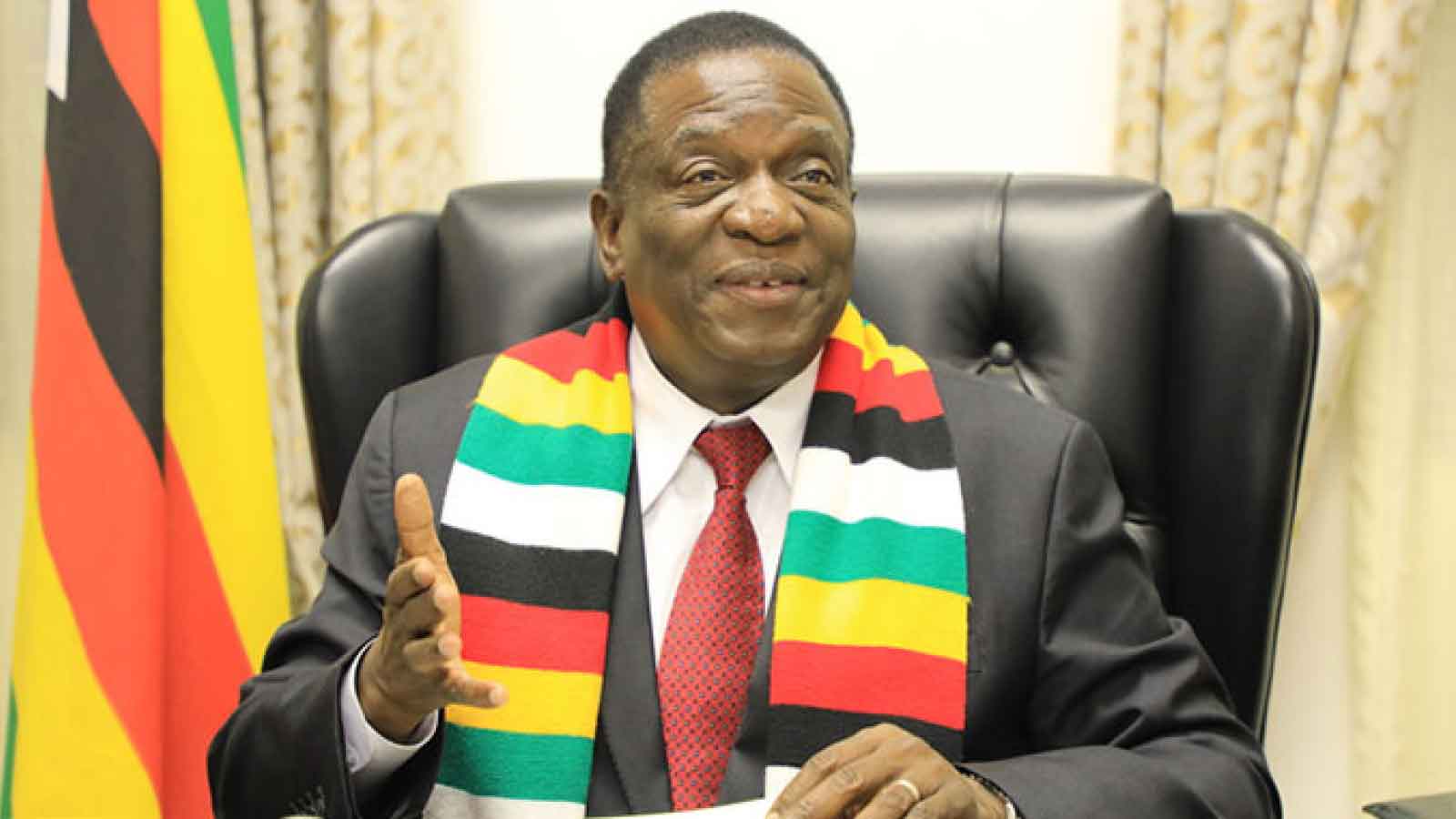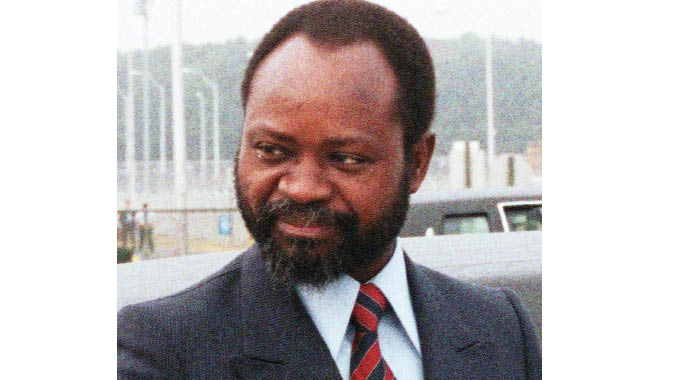
Ambassador Chris Mutsvangwa
ZIPA was the offspring of the strictly military unity of ZANLA and ZPRA trained guerrillas in Tanzania.
The imperial UK and its NATO allies led by USA was determined that they never ever be deployed to the war front against Ian Smith’s Rhodesia.
ZIPA was to have none of that diplomatic sleight of hand. They were determined to thwart US Henry Kissinger’s Detente Diplomacy.
The notoriety was that the legendary US chief diplomat, assiduously strove to throttle the armed struggle of the National Liberation Movement of Zimbabwe into a still birth.
His nightmares were well founded. The Chimurenga II-Umvukelo potency had taken a qualitative leap as was being evinced by the 1969-74 Chitepo-Tongogara duo.
The politico-military genius of the two revolutionary luminaries had broken into new military territory.
They successfully implanted a permanent, sustained and expanding insurgency in north-east Zimbabwe.
Their embrace by FRELIMO changed everything.
In 1968-9 they readily and deftly responded to an overture from Eduardo Mondlane-Samora Machel’s FRELIMO as the Mozambique armed struggle crossed the Zambezi river on the inexorable southward advance.
A scared and haunted Rhodesia deployed its army into Mozambique to ginger the demoralised expeditionary army of imperial Portugal.
No longer was the mighty Zambezi river a natural defence line of Ian Smith’s Rhodesia.
All to no use for Ian Smith and his beleaguered General Peter Walls.
By 1974, a beleaguered imperial and fascist Portugal succumbed to a radical military coup in Lisbon. It was spawned by no-win, futile, and endless foreign military expeditions, sapping a dying colonial edifice.
The indomitable duo of Nyerere-Samora saw the new window to forcefully tackle the Rhodesian racist settler white minority regime of Ian Smith’s Rhodesia.
Their potent weapon was the Mgagau Document penned by a combined ZANLA-ZPRA contingent at the politico-military mastermind of the two heads of state. They were taking Kissinger head on.
The ZIPA High Command arrived in Beira, Mozambique from Tanzania in late 1975. They were leading 700-800 highly trained military cadres. They arrived on the MS Mapunduzi Ocean Liner.
What a source of relief, hope and inspiration to the ballooning numbers of militant recruits of young Zimbabweans now exploding in the refugee camps of newly independent Mozambique as of June 1975.
Two epic accolades to the ZIPA High Command. They re-ignited the armed struggle across the 1 000km border with Mozambique, taking full advantage of the more hospitable mountainous terrain to edify guerrilla infiltration into Rhodesia.
The ZIPA High Command lost no time to set up military training camps at Tembwe and Chimoio. The years of gestating guerrilla warfare blossomed into the home-grown military training corps. All in proximity to the war zone. Quick turnaround training of eager youths meant a deep and inexhaustible reservoir of recruits, ever ready to replenish and reinforce the insurgency now rampaging like a veld fire.
I was one of the 1975 famed Eight Absconders from the University of Rhodesia. We were among the pioneer refugees to be housed at Zhunda Camp outside Chimoio.
As numbers swelled, we were transferred to the Nyadzonia Camp safely away from the urban Chimoio.
I arrived in the first three buses. We now waited in bewilderment what was next.
There were challenges in melding so many recruits with better education and urban exposure to the three-dozen seasoned military cadres from earlier campaigns.
Our ‘University Eight’ stuck out as sore thumps to uninformed anxieties and paranoia. We ended up in a self-dug underground camp prison.
The timely arrival of the more enlightened ZIPA High Command saved the day for us. We were promptly freed by the ZIPA cadres.
They explained to our tormentors that we were the product of a burgeoning national consciousness owing to their military success in the 1969-74 North-East Offensive.
The ‘University Eight’ were among the first volunteers to be trained at the newly established Tembwe Military Base in Tete Province between Zambia and Malawi.
By mid 1976 we were being deployed into the warfront.
The ZIPA wartime interlude is a glorious chapter of our game-changing exploits in the re-birth and resurgence of the military prowess that is the Zimbabwe Defence Forces of our youthful independent African nation.
It rekindled a military campaign that blunted Kissinger’s Detente Exercise.
Its training Corp speedily converted eager youths into an intrepid fighting force. Its progressive and political outlook melded the few seasoned guerrillas into the multitude of new recruits under the banner of an enlightened common purpose.
The interlude also saw the setting up of the Party School of Ideology with David Todhlana aka Crispen Mataire as the chief protagonist.
It would play any invaluable in the training of party political commissars.
These in turn kept the fighting forces mentally fit for purpose in the all important task of pungwe meetings and mass mobilisation to prosecute the scientific People’s War.
All said, so much of our virtue and valour as the indomitable State apparatus of Zimbabwe is owed to the ZIPA cadreship who arrived in Beira Mozqmbique in 1975 aboard the MS Mapinduzi Ocean Liner.
I salute the ZIPA cadres for ensuring I realised the purpose of my sacrifice of University Law Studies in 1975. For turning me into a brave comrade whose unit infiltrated all the way from Mutoko-Nyanga to Beatrice-Marirangwe in 1976 under the astute command of Cde Tennison “MWARI WEMOMBE” Sithole. An epic to and from 600km military escapade to spread the message of Chimurenga II to an expectant and responsive rural populace.
The highwater mark of the ZIPA Interlude claimed a stunning politico-military prize when it forced Kissinger to convene the 1976 Geneva Conference. This was a clear admission of the failure of his STOP CHIMURENGA II- Mvukelo military band wagon.
The ZIPA interlude humbled Ian Smith into accepting the unconditional release of detained political leadership of the Zimbabwe National Liberation Movement.
Crucially, it was an acknowledgement that the future of the putative nation was increasingly charted by the armed freedom fighters. A clear manifestation of a new State apparatus dispensing with the vestiges of the once mighty Empire of Britain.
The ZIPA interlude would force the divided national liberation movement of Zimbabwe into eventual unity. It exorcised the spectre of any internecine struggles spilling into the abyss of a fratricidal civil war.
I pay weighty homage to any of the survivors still alive after the pregnantly fateful ocean journey of the MS Mapinduzi in late 1975.