Vusumuzi Dube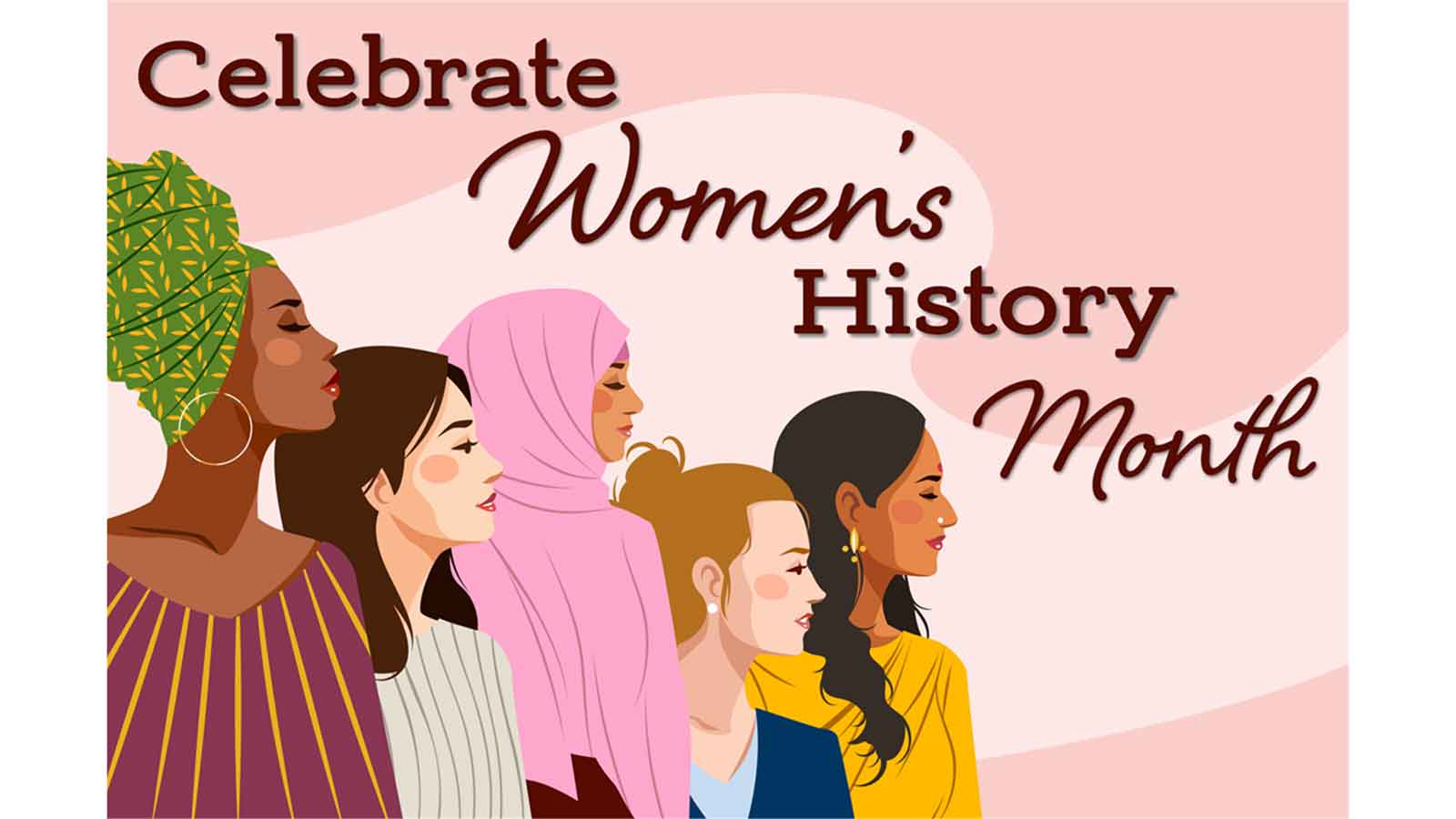
Gibson Mhaka
AS Zimbabwe marks Women’s Month and braces for its 46th Independence anniversary, it is an opportune moment to reflect on the often under-celebrated yet pivotal role women have played in shaping the nation’s history from the pre-colonial era to modern-day Zimbabwe.
The story of Zimbabwe’s liberation has, for a long time, largely been told through the voices of prominent male political figures.
However, beneath that dominant narrative lies a powerful and enduring story of women who sacrificed immensely during the protracted and painful struggle against colonial rule.
Women were not mere bystanders in the fight for independence, they were central to it.
From the First Chimurenga to the Second Chimurenga, Zimbabwean women demonstrated courage, resilience and unwavering commitment to the cause of freedom.
Historical accounts cannot be complete without acknowledging figures such as Lozikeyi Dlodlo and Nehanda Nyakasikana, whose resistance against colonial intrusion laid the foundation for future liberation movements.
Known widely as Mbuya Nehanda, Nehanda Nyakasikana emerged as a spiritual and political force who inspired her people to rise against British settlers.
Before her execution in 1897, she famously declared that her bones would rise again — a prophecy that would later resonate deeply with liberation fighters decades later.
Indeed, during the Second Chimurenga of the 1960s and 1970s, guerrilla fighters drew strength and inspiration from her legacy as they intensified the armed struggle.
Women’s participation in the liberation war went beyond symbolism. They took on diverse and often dangerous roles as combatants, political mobilisers, intelligence operatives and community organisers.
Many served as chimbwidos, providing food, shelter and logistical support to fighters in the bush, often at great personal risk.
Others joined the armed wings of nationalist movements, enduring the same harsh conditions as their male counterparts.
Their contribution was not limited by education or background; women from all walks of life rose to the occasion in unprecedented numbers.
Prominent figures such as Sally Mugabe, Julia Zvobgo, Johanna Nkomo, Ruth Chinamano, Sunny Ntombiyelanga Takawira, Maud Muzenda and Victoria Chitepo, among others, played critical roles in mobilising communities, shaping political discourse and sustaining the liberation movement.
Women’s resistance was also expressed through culture.
Songs composed and sung during the struggle became powerful tools of mobilisation, carrying messages of defiance, unity and hope.
These songs blended traditional expressions with revolutionary ideals, reinforcing the collective resolve to dismantle colonial rule.
At Independence in 1980, Zimbabwe inherited not only political freedom but also the legacy of women who had helped secure it.
Their contributions continue to shape the country’s social, political and economic landscape.
In the 46 years since Independence, the Government has made notable strides in promoting gender equality and women’s empowerment.
The Constitution recognises the equality of men and women, while various laws and policies have been enacted to advance women’s rights. Zimbabwe has also ratified several international conventions aimed at promoting gender equity.
Yet, as the nation celebrates these milestones, there remains a need to continuously amplify women’s voices and ensure their contributions are fully recognised.
Understanding the role and status of women in contemporary Zimbabwe requires an honest reflection on their historical sacrifices and achievements.
As the country commemorates both Women’s Month and Independence, the enduring message is clear: Zimbabwe’s freedom was not won by men alone.
It was forged through the collective efforts of brave women and men alike.
Honouring that legacy means not only remembering the past, but also committing to a future where women are fully empowered to contribute to national development.


 Online Reporter