Online Reporter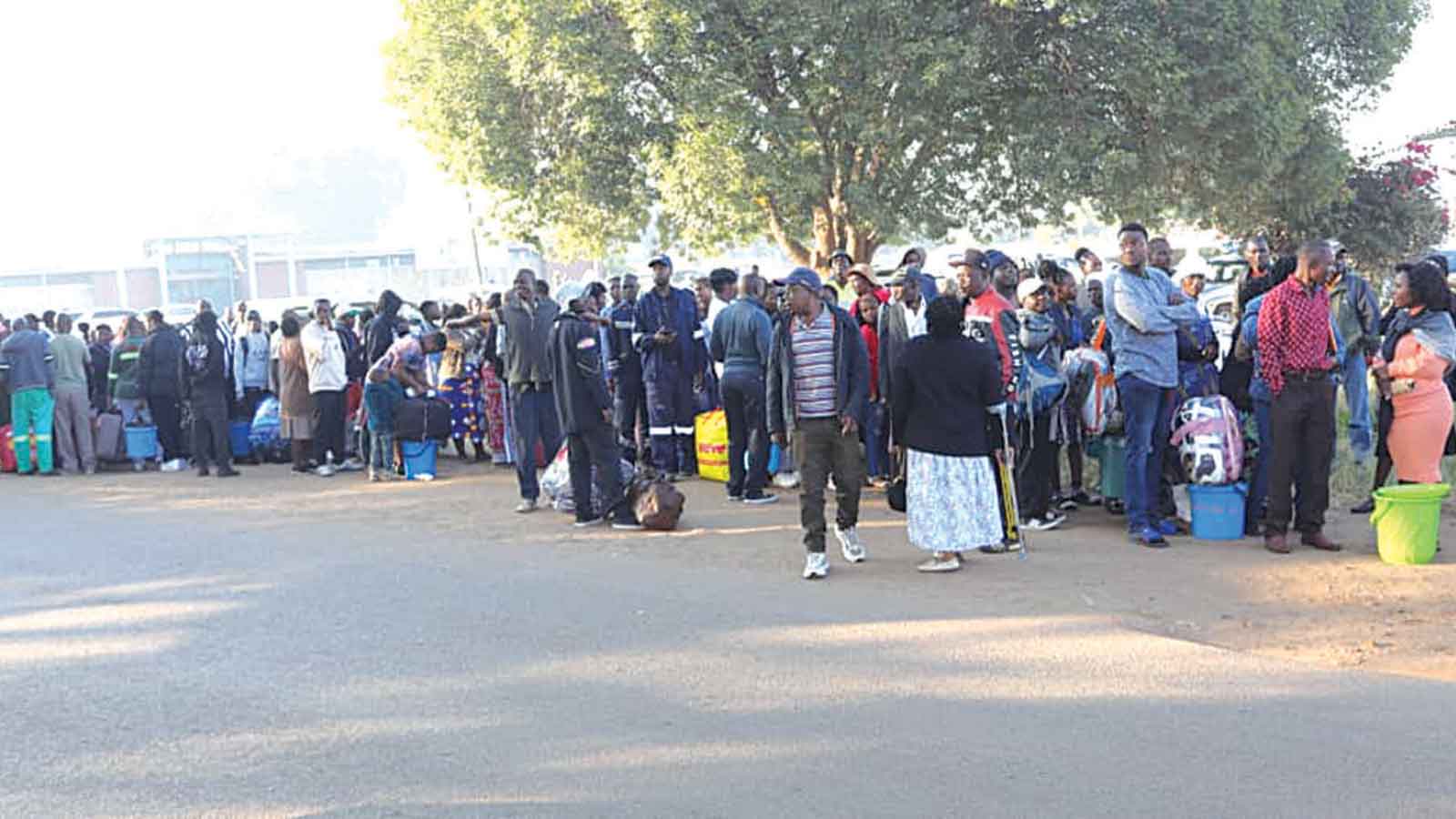
Blessings Chidakwa
Senior Reporter
A WAVE of anguish and desperation swept through Mbare yesterday as multitudes of families from across the country gathered at the Angel of Hope Drug Rehabilitation Centre for its seventh intake, each arriving with a loved one in need of urgent intervention from the grip of drug and substance abuse.
From dawn, long winding queues of scores of parents and guardians stretched outside the venue, many clutching documents tightly to their chests, while others fought back tears.
Their faces told stories of prolonged suffering and years of watching addiction slowly dismantle homes, relationships and futures.
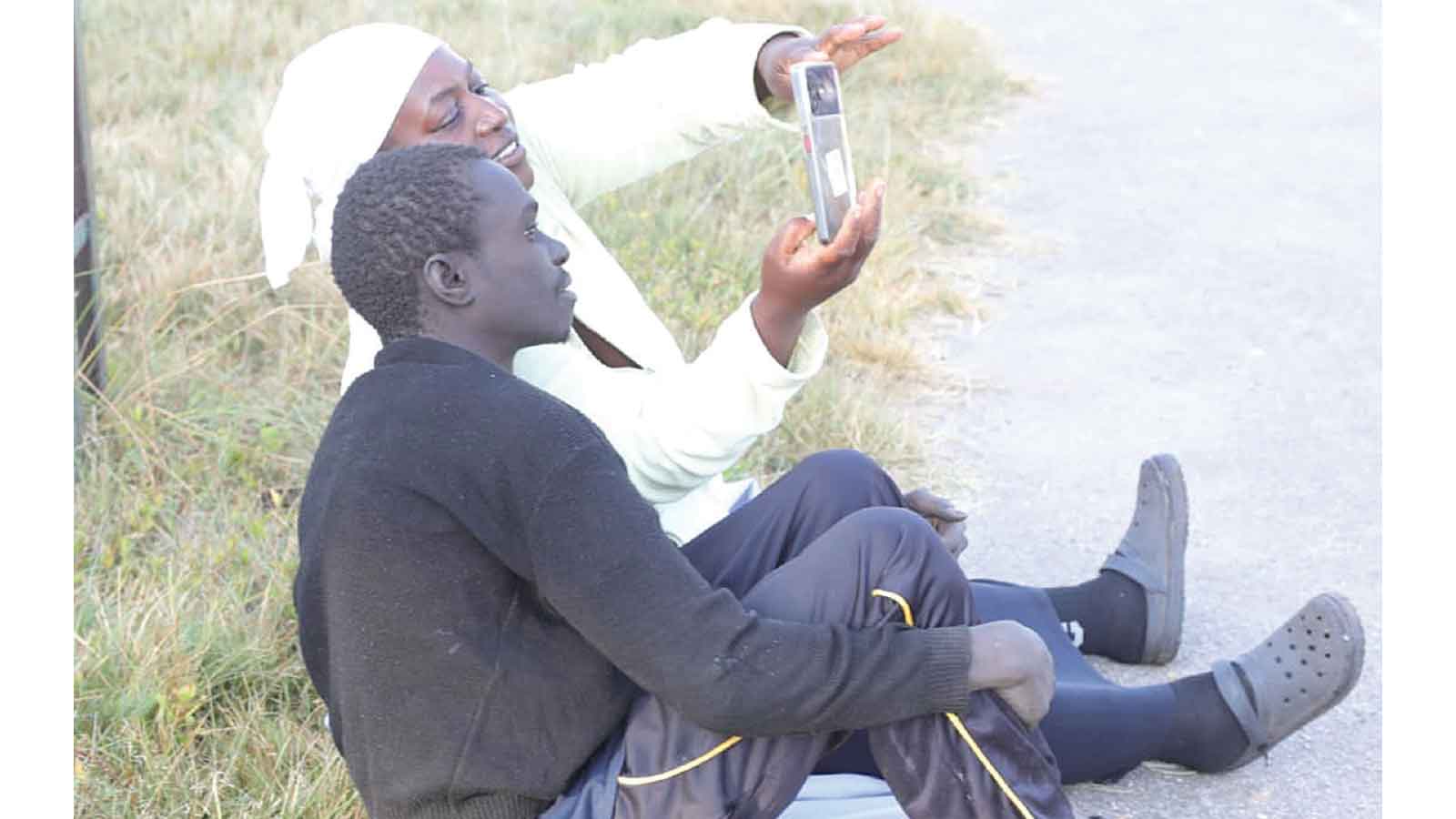
The patients arrived in a visibly weakened state, their physical condition reflecting long periods of neglect and substance dependency.
Among the most pressing concerns was the desperation of parents and guardians who gathered their children and hired a commuter omnibus to ferry them to the centre, hoping against hope to see their sons and daughters restored.
Upon arrival, they disembarked in single file, holding hands, a haunting yet powerful sight that reflected both fear and fragile unity.
One of the most disheartening cases was that of a 14-year-old Grade Seven learner, whose mother shared her pain, explaining that her daughter had been coming home at odd hours while intoxicated, a deeply troubling reminder of the silent struggles many families are facing.
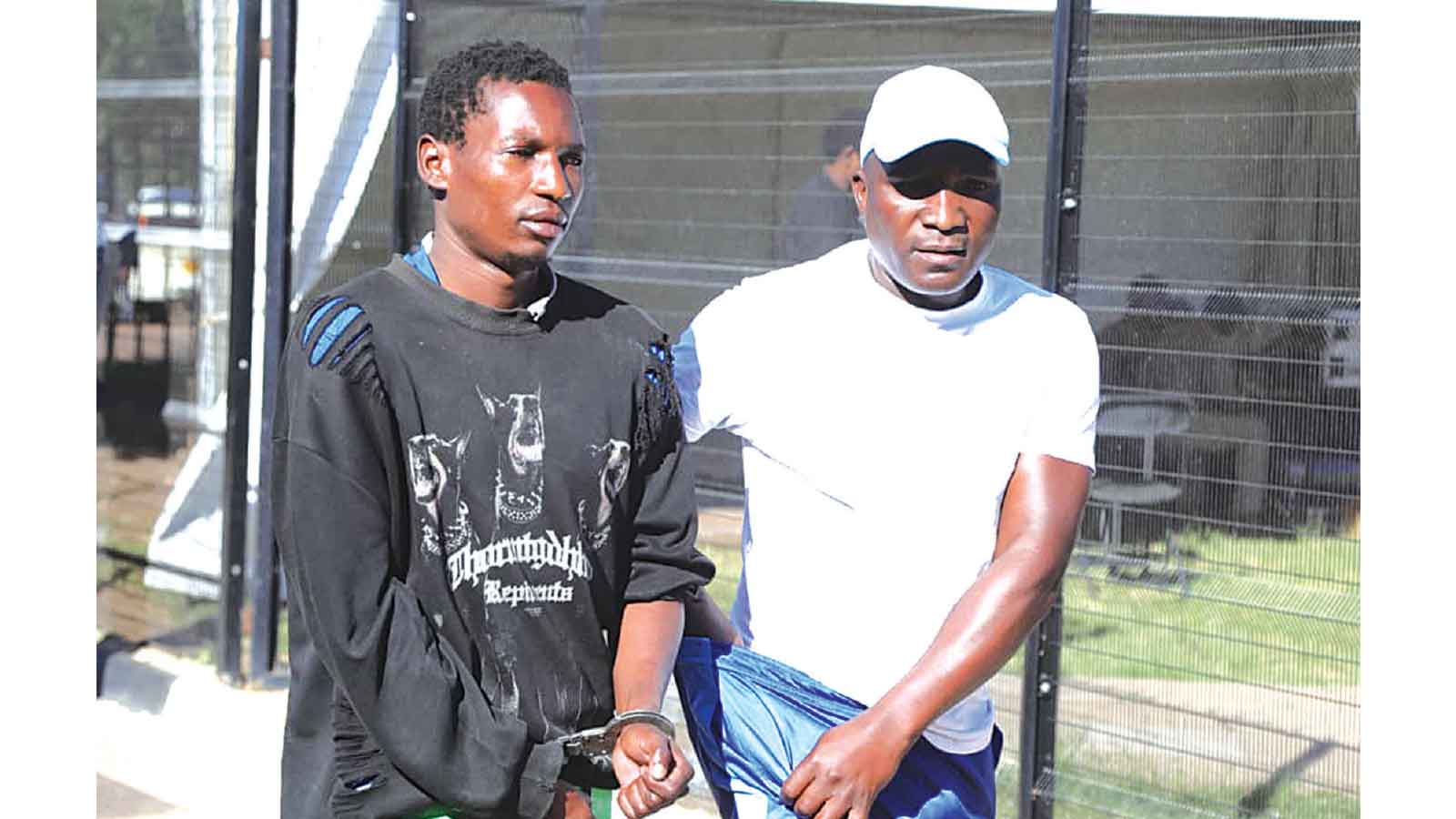
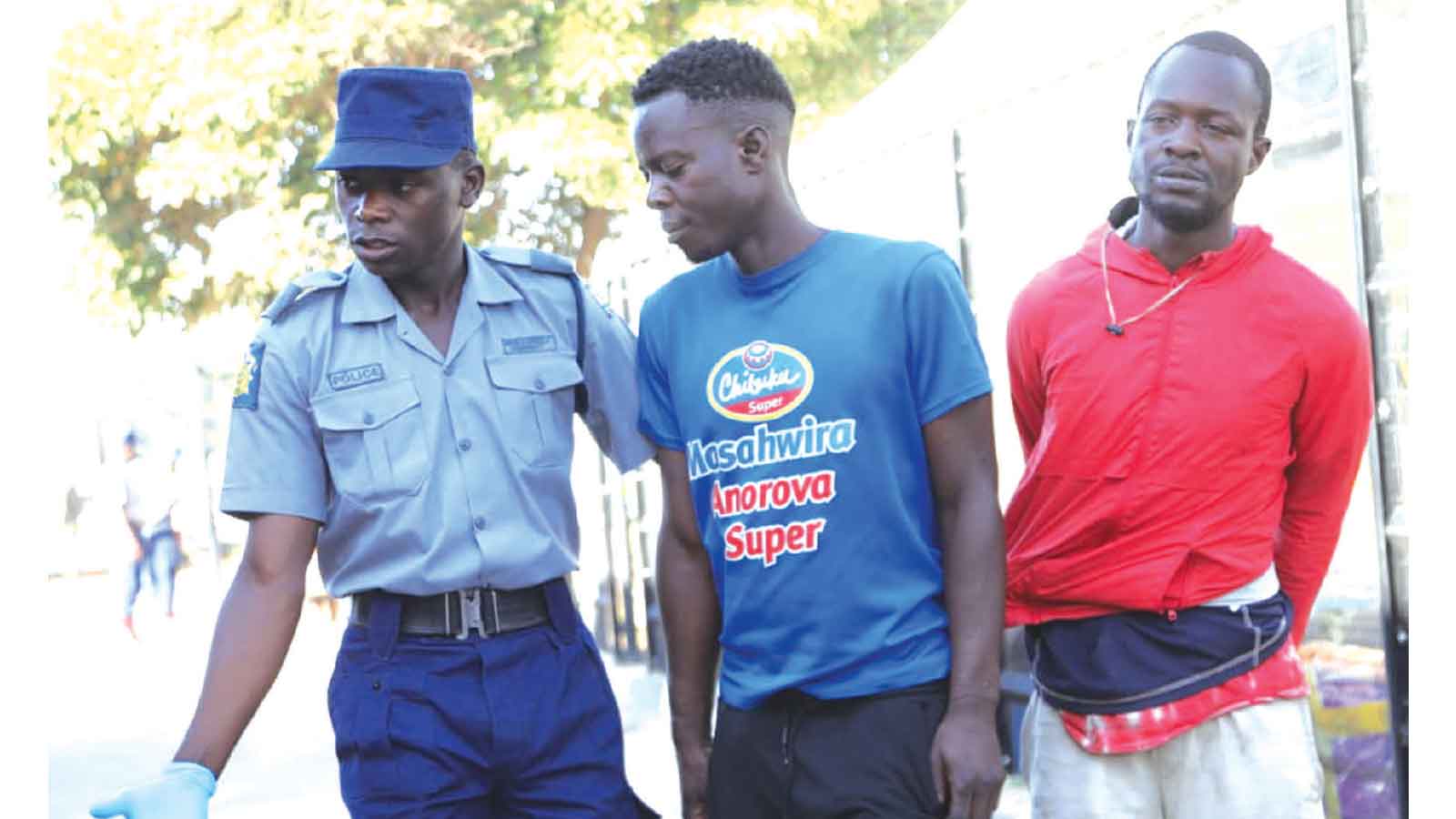
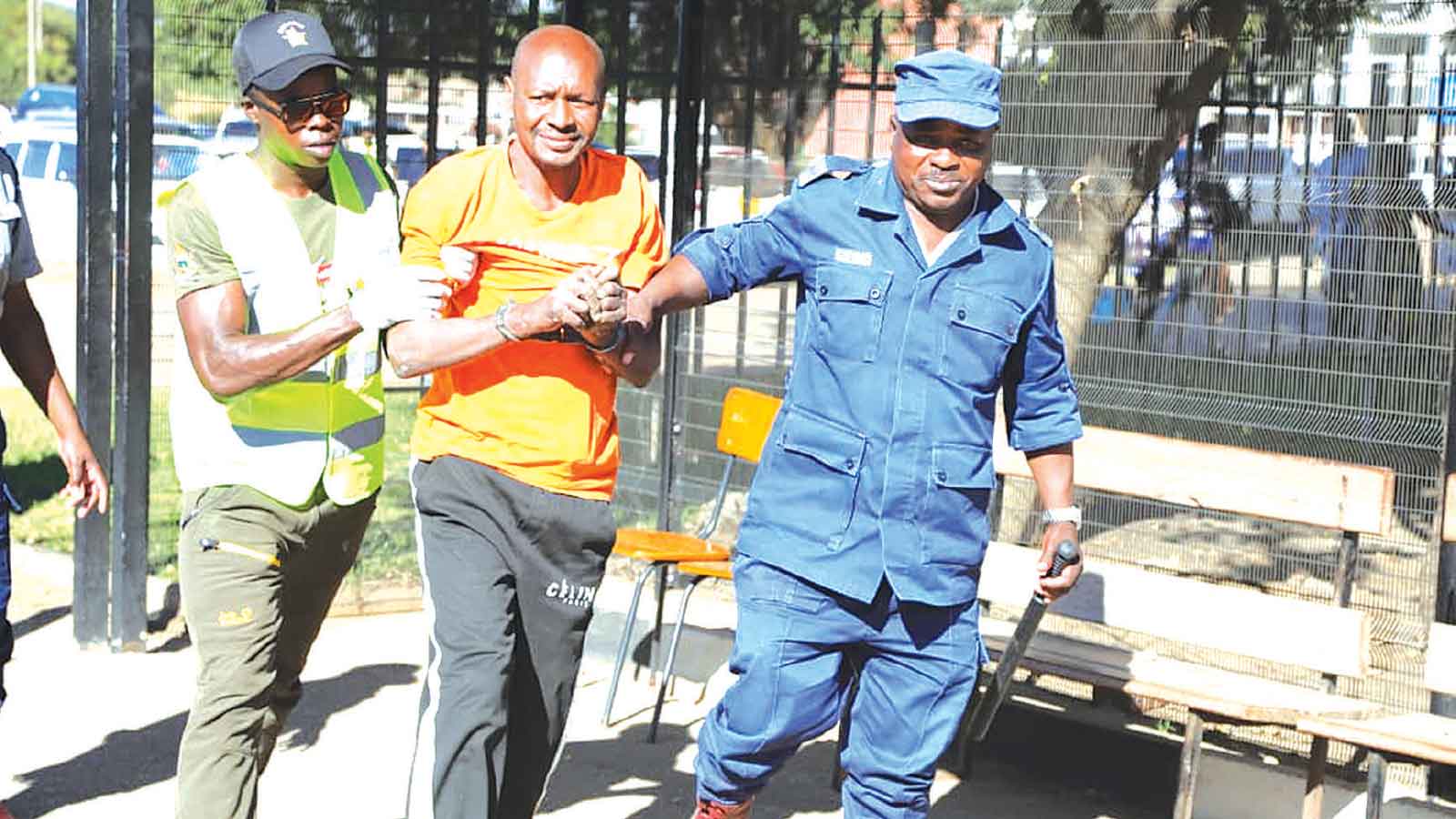
Others had to be restrained after exhibiting episodes of aggression, confusion and erratic behaviour, with several brought in handcuffs following violent incidents at home.
Security personnel and police officers were called to intervene in multiple cases as some individuals resisted admission.
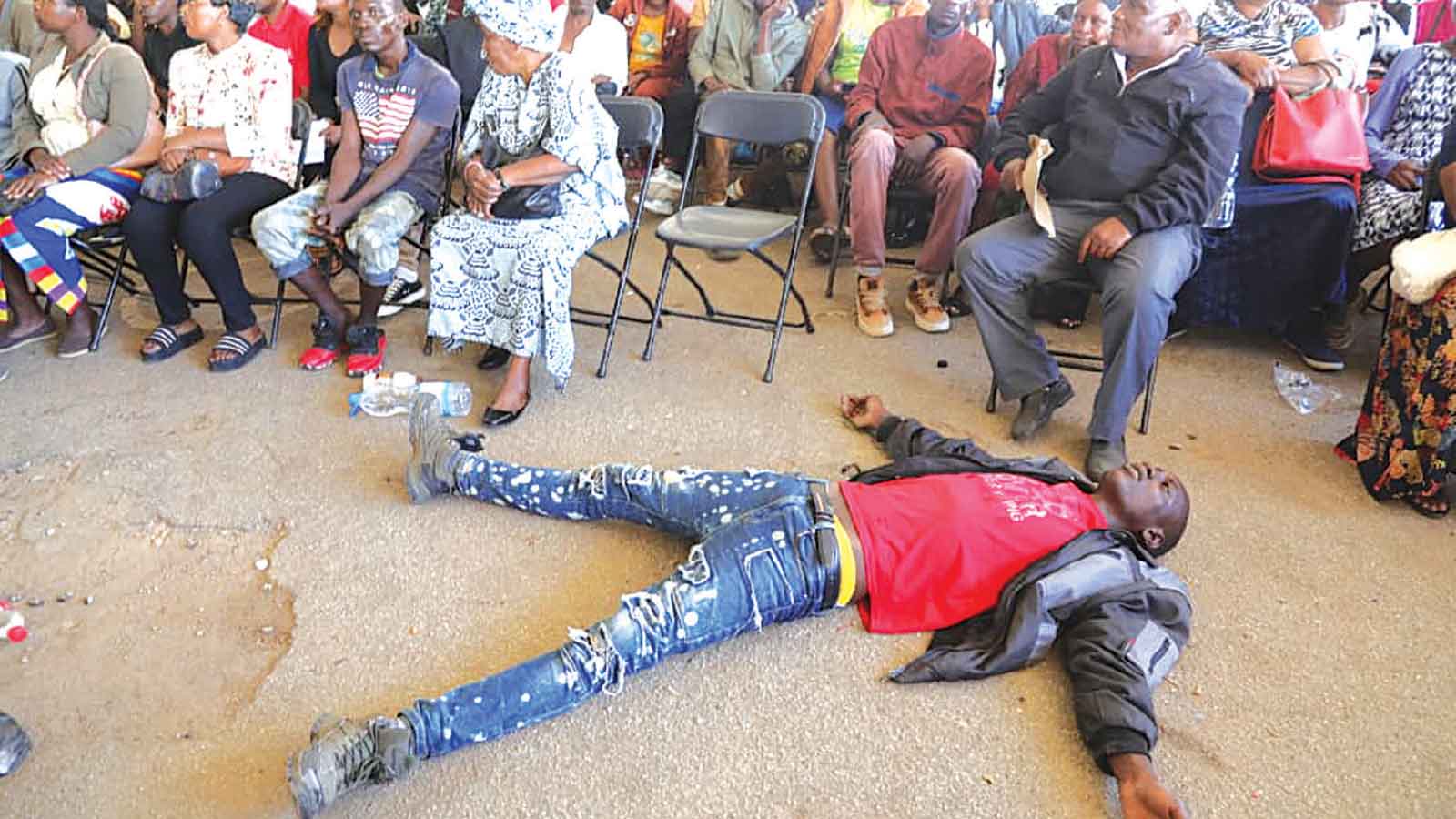
Some staggered in, uttering incoherent statements. One even spoke in fluent English, yet his words carried no coherent meaning, a painful reminder of how deeply substance abuse can distort and destabilise the mind.
Others openly admitted they had been lured by their loved ones, deceived into believing they were heading for job interviews, only to find themselves at the rehabilitation centre.
Officials also remained on high alert to prevent attempts by a few patients to conceal or smuggle illegal substances into the facility, underscoring the depth of dependency being confronted.
Interacting with parents and guardians, First Lady Dr Auxillia Mnangagwa, who continues to lead the initiative, urged families to work closely with rehabilitation teams throughout the programme, emphasising that recovery demands patience, commitment and sustained support.
Despite the emotional and often painful scenes, moments of hope emerged as survivors, including prominent newscaster and drug abuse survivor Oscar Pambuka shared their stories, encouraging the victims that drug addiction can be overcome.
The presence of Pambuka — disciplined, composed and visibly transformed — stood as a living testimony of recovery and rehabilitation through structured support and skills training.
“I started with smoking cigarettes, then moved to mbanje and eventually mutoriro (crystal meth). Mutoriro is like a goblin. Once you start using it, you begin selling pots and other household property. Scary things happen and you fail to sleep. You can go for two weeks without sleeping, with your eyes open.
“Imagine, I spent 15 years reading the news, but I was ravaged by drugs because they do not respect anyone’s profession. I got divorced, ended up in crime and was jailed,” he said.
Newscaster Pambuka said during those difficult times, he would behave like an undertaker, drawing strength at night.
“The activities here help you rebuild your lives. There are trained security personnel and psychologists. If it wasn’t for my mother, Dr First Lady, I would have been completely lost.
“Here at Angel of Hope, listen to the instructors because the course was designed for you, and you will gain valuable skills from it. This is a chance to redeem yourself. Stop wasting time on drugs. I was once written off, but I managed to recover and I am now driving my GD6. Some people from here even got scholarships to Algeria.”
Newscaster Pambuka said the First Lady wanted to bring out their talents, which were being overshadowed by drug and substance abuse.

Several families shared heartbreaking testimonies, describing how substance abuse had transformed once-loving children and siblings into strangers within their own homes, fuelling theft, violence and mental instability.
One elderly guardian summed up the anguish felt by many, saying the family had reached breaking point after years of unsuccessful attempts to intervene.
“This is our last hope. We have tried everything. We just want our child to live again. After witnessing many recover here, we decided to pin our hope on this transforming centre, hoping for the best,” the guardian said.
A father recounted how peace in his home had been destroyed by his child’s behaviour, saying the situation had become unbearable as the child was involved in robbery and was constantly in conflict with others at home.
“We were no longer sleeping peacefully; he was committing robberies in our neighbourhood and even living in conflict with those around him. There was no peace at all,” he said.
A mother said she brought her son after he became violent towards his brother, to the point of chasing him out of their shared home, causing constant tension and fear in the household.
“The situation was chaotic and emotionally draining. I came with my child who had become violent towards his brother, beating him up, even chasing him from the house. It was all chaos,” she said.
One of the mothers said her 19-year-old daughter, who became pregnant as a result of drug abuse, had become difficult to manage and no longer does household chores.
She also revealed that her three-year-old grandchild was now under social welfare care, saying the home had become difficult to live in as her two children had become violent.
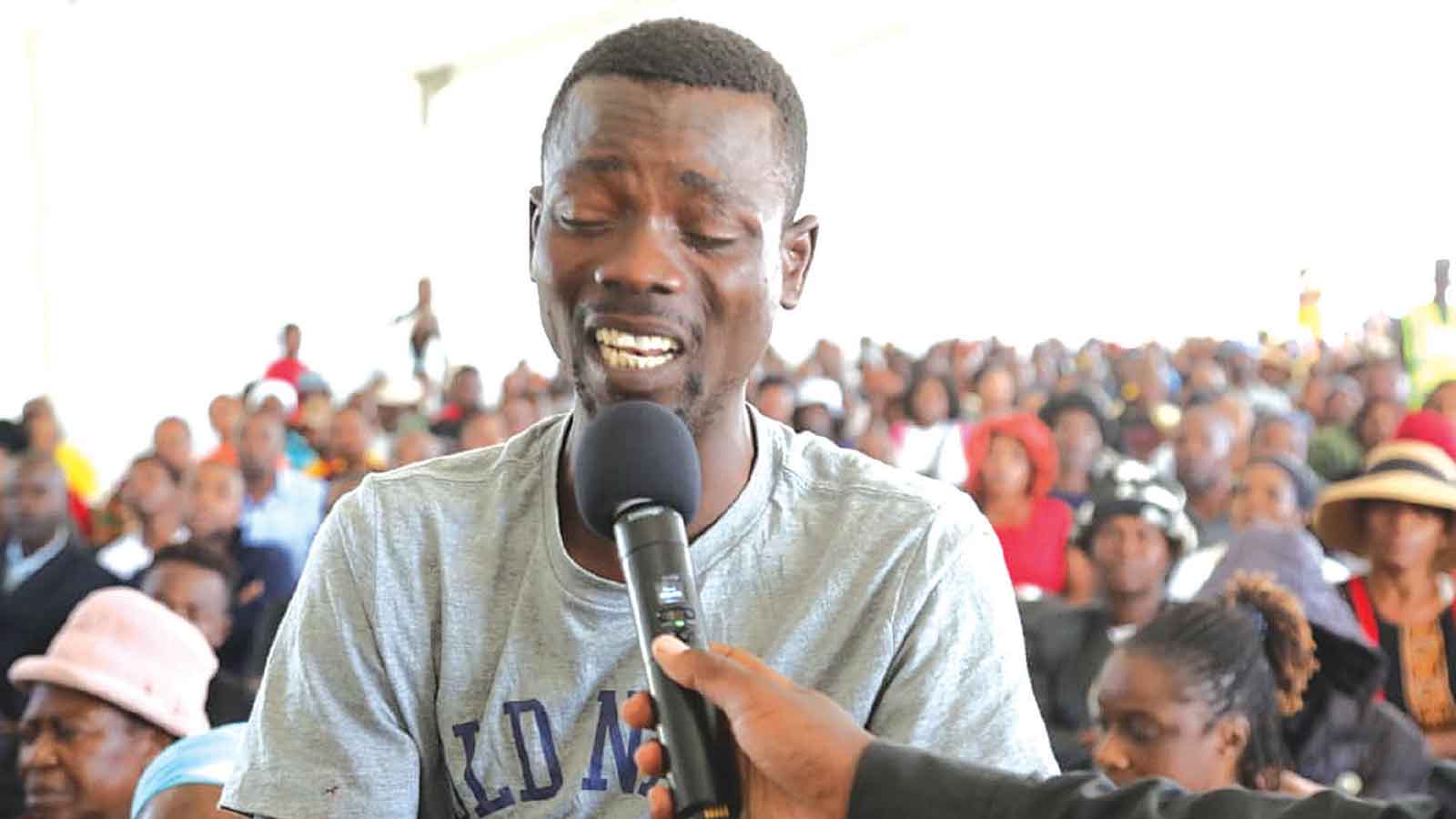
Another father brought his 18-year-old son to the centre, explaining that the boy began experimenting with drugs at just 16, a habit that gradually spiralled out of control.
He said what once seemed like youthful curiosity had turned into a painful struggle that had deeply affected both the child’s behaviour and the family’s peace at home.
One woman shared a positive testimony, saying she had previously brought her son-in-law who was struggling with drug abuse, and he had since recovered and was now working.
She said this gave her confidence to return with another family member, adding that there were visible results from the programme.
“I once came here with my son-in-law, who is now working after quitting drugs, so I have come again because I have seen results,” she said.
As the seventh intake begins its journey, the overwhelming turnout once again highlights the deepening demand for rehabilitation services, with the centre standing as a fragile yet powerful beacon of hope for families yearning for restoration and healing.