


 Online Reporter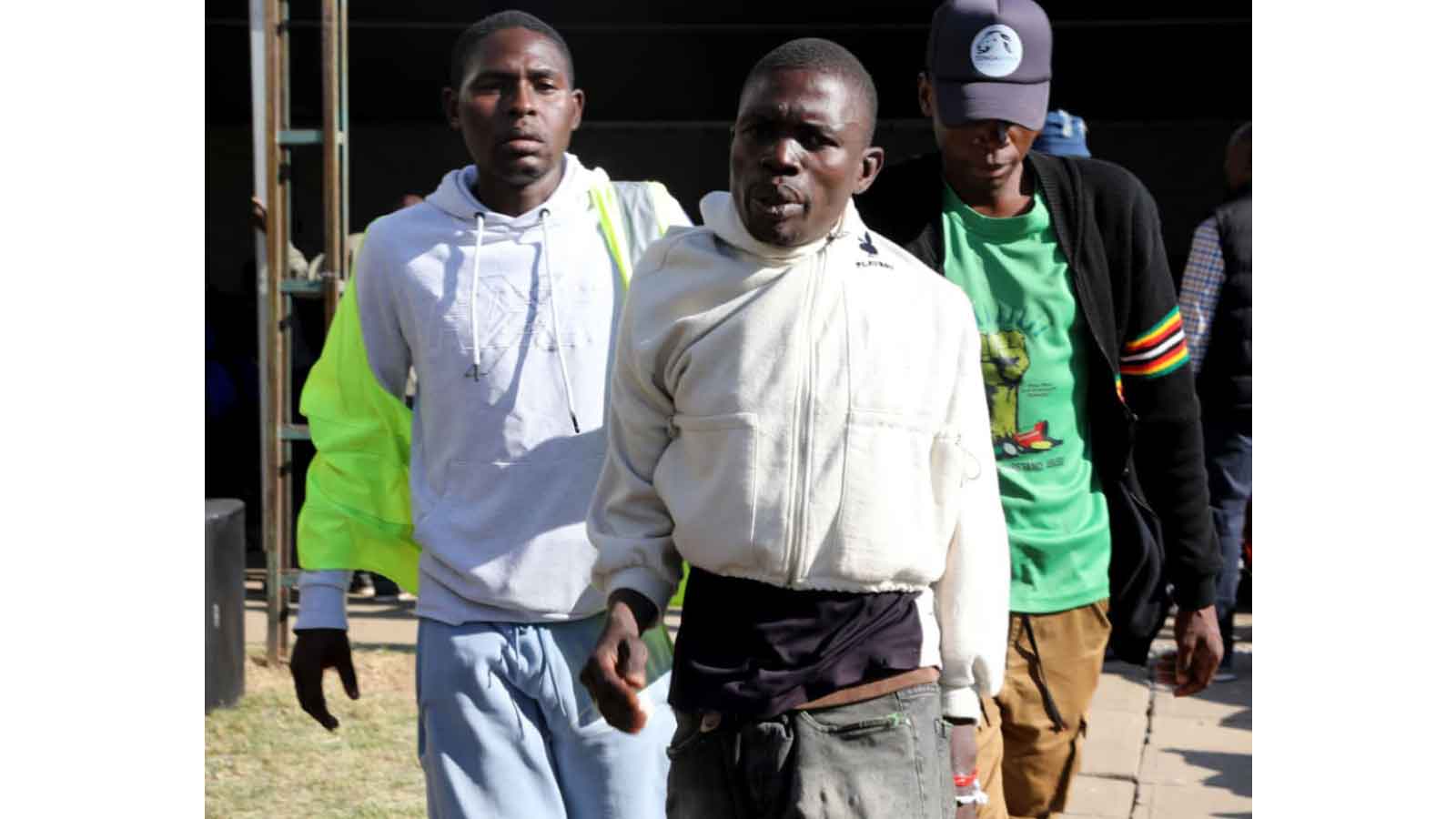
Blessings Chidakwa
Senior Reporter
Where broken lives find a second chance, the Angel of Hope Drug Rehabilitation Centre in Mbare has become a sanctuary of hope for families devastated by drug and substance abuse, offering a pathway to recovery, healing and reunification.
For years, Ms Rhodah Chairani barely slept.
Each night she listened for footsteps, fearful of what her son might do next. Sometimes he talked to himself until dawn.
Other times he disappeared for days after collecting his salary. Domestic workers quit in fear. Family members locked away valuables.
What had begun with stolen cigarettes had spiralled into crystal meth addiction, violence and repeated brushes with the law.
Yesterday, hope finally seemed within reach.
Ms Chairani was among multitudes of parents, grandparents, siblings and guardians who thronged the Angel of Hope Drug Rehabilitation Centre in Mbare for the eighth intake of beneficiaries under a programme spearheaded by First Lady Dr Auxillia Mnangagwa.
As families arrived from across Zimbabwe, Dr Mnangagwa interacted with them, listening to their stories, offering words of comfort and encouraging them not to lose faith in their loved ones despite years of pain and disappointment.
“I just want my son back,” said Ms Chairani as she waited patiently in a long queue for admission.
The atmosphere at the centre was a mixture of heartbreak and hope.
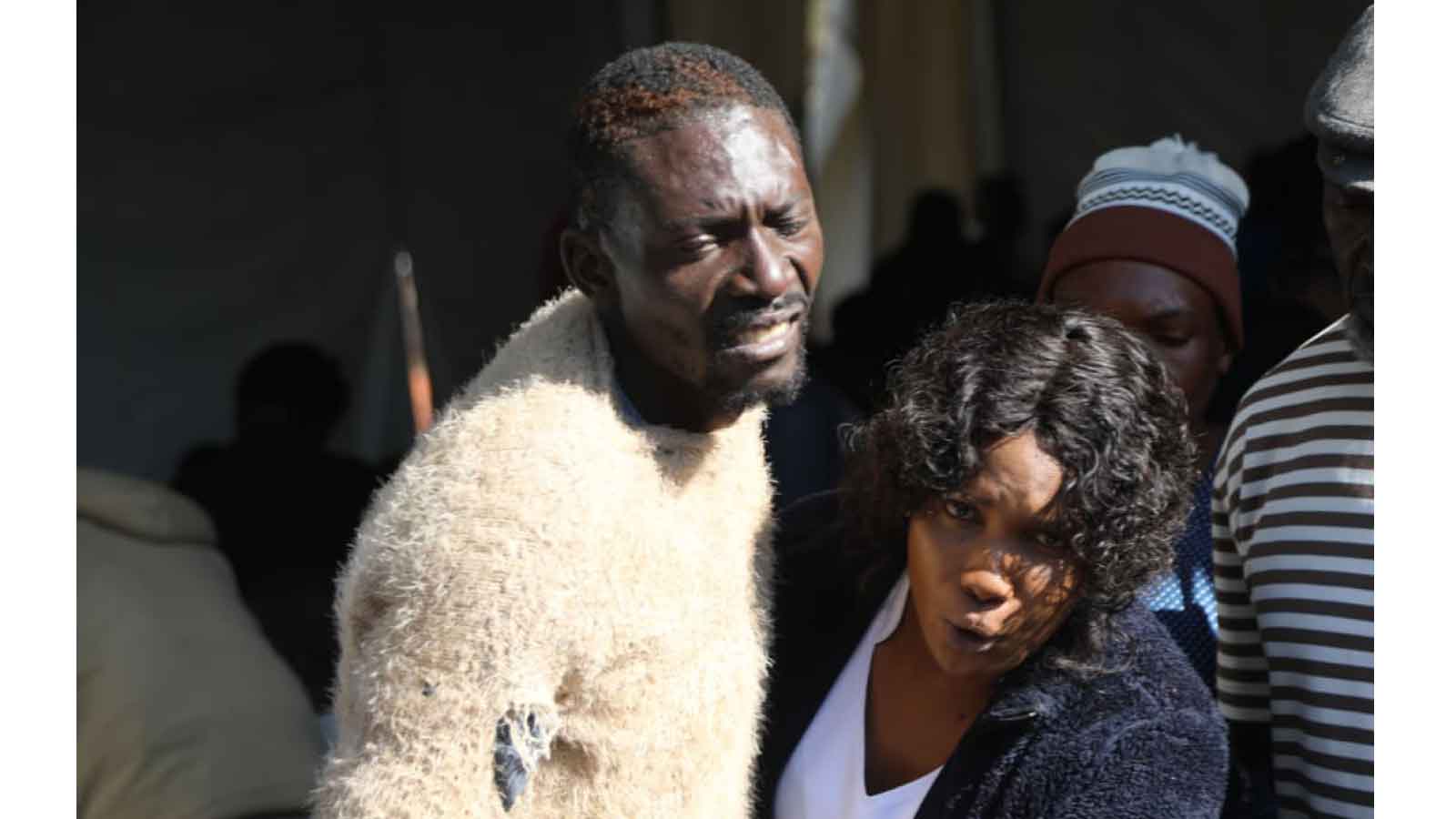
Families shared stories of children who had abandoned school, lost jobs, stolen household property and drifted away from the people who loved them most.
Some spoke openly about violence, hallucinations and sleepless nights. Others simply stared ahead, hoping that this time things would be different.
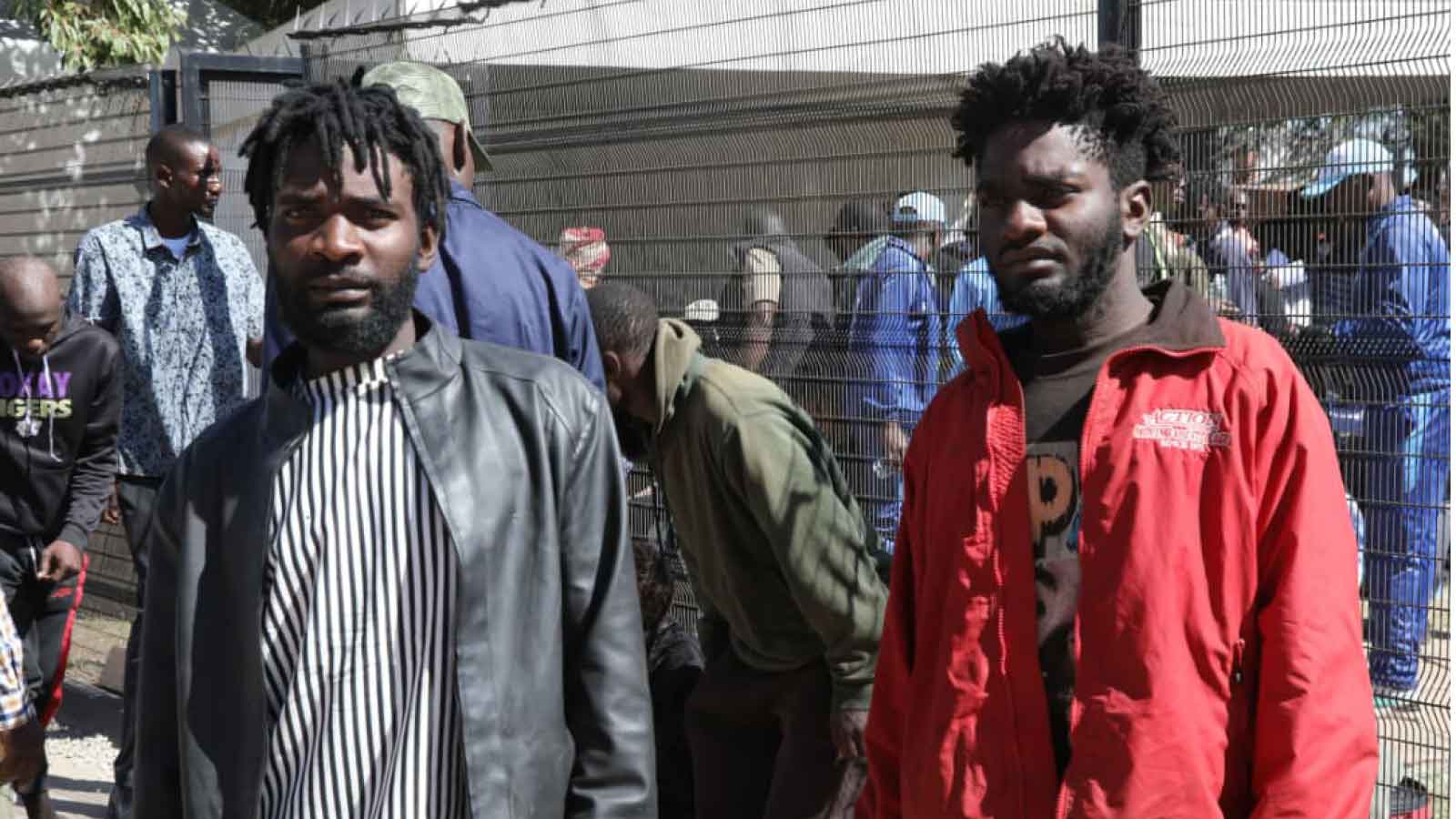
Many of those being admitted bore visible signs of the toll that prolonged substance abuse had taken on their lives.
Some arrived wearing worn and soiled clothing, while others had unkempt hairstyles and appeared physically exhausted.
Among the new intake were several minors, some as young as 14, highlighting the growing reach of drug and substance abuse among children and adolescents.
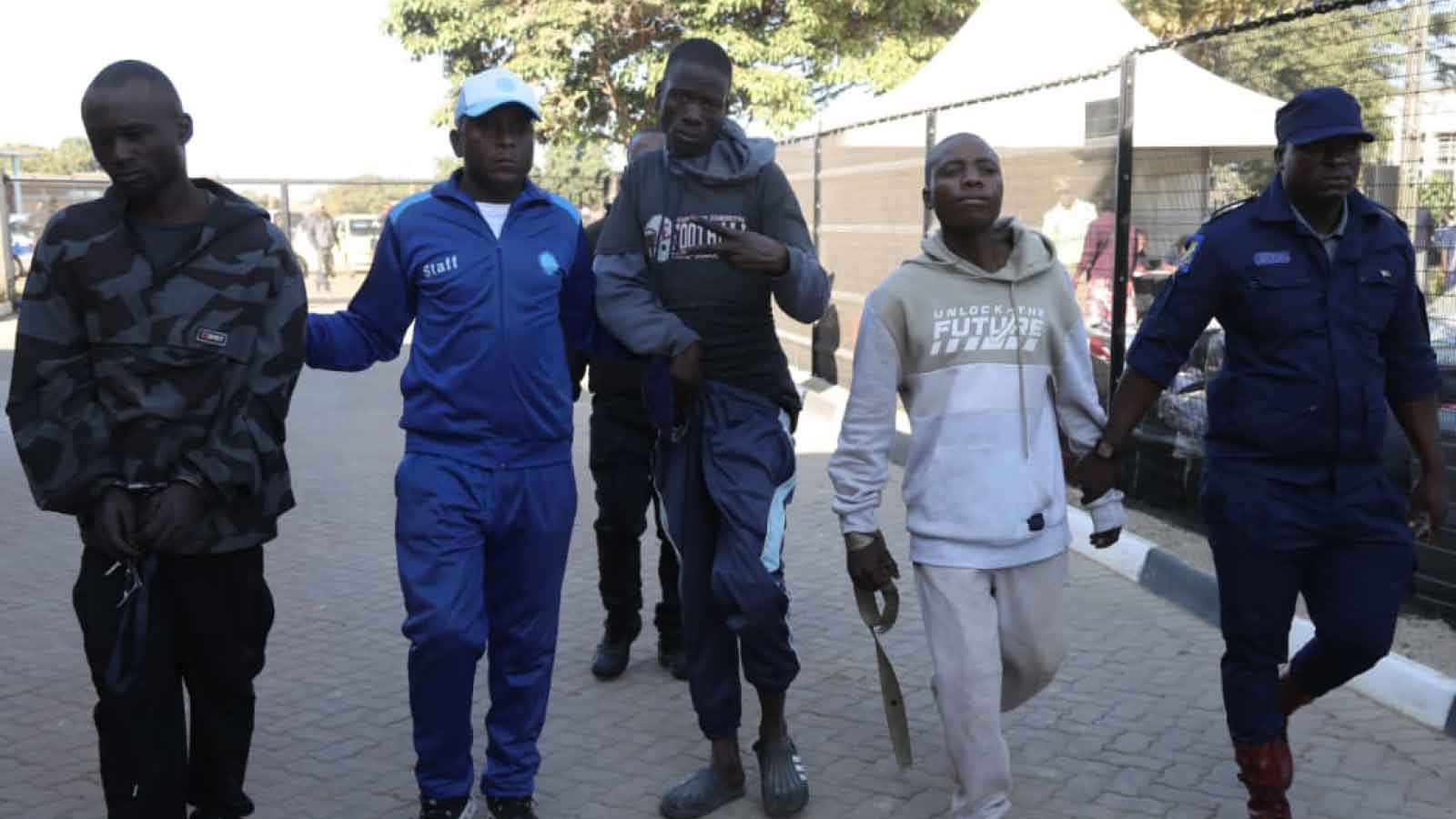
Among the most striking arrivals was a young man brought to the centre in chains following a series of violent episodes at home.
Yet amid the tension, he managed to draw laughter from the crowd when, while under the influence of drugs and responding to a question from the First Lady about why he was at the centre, he said: “Toda kuti vabereki vedu vazive chinonzi rudo (We want our parents to understand what love is).”
For many gathered at the centre, humour provided a brief escape from years of pain.
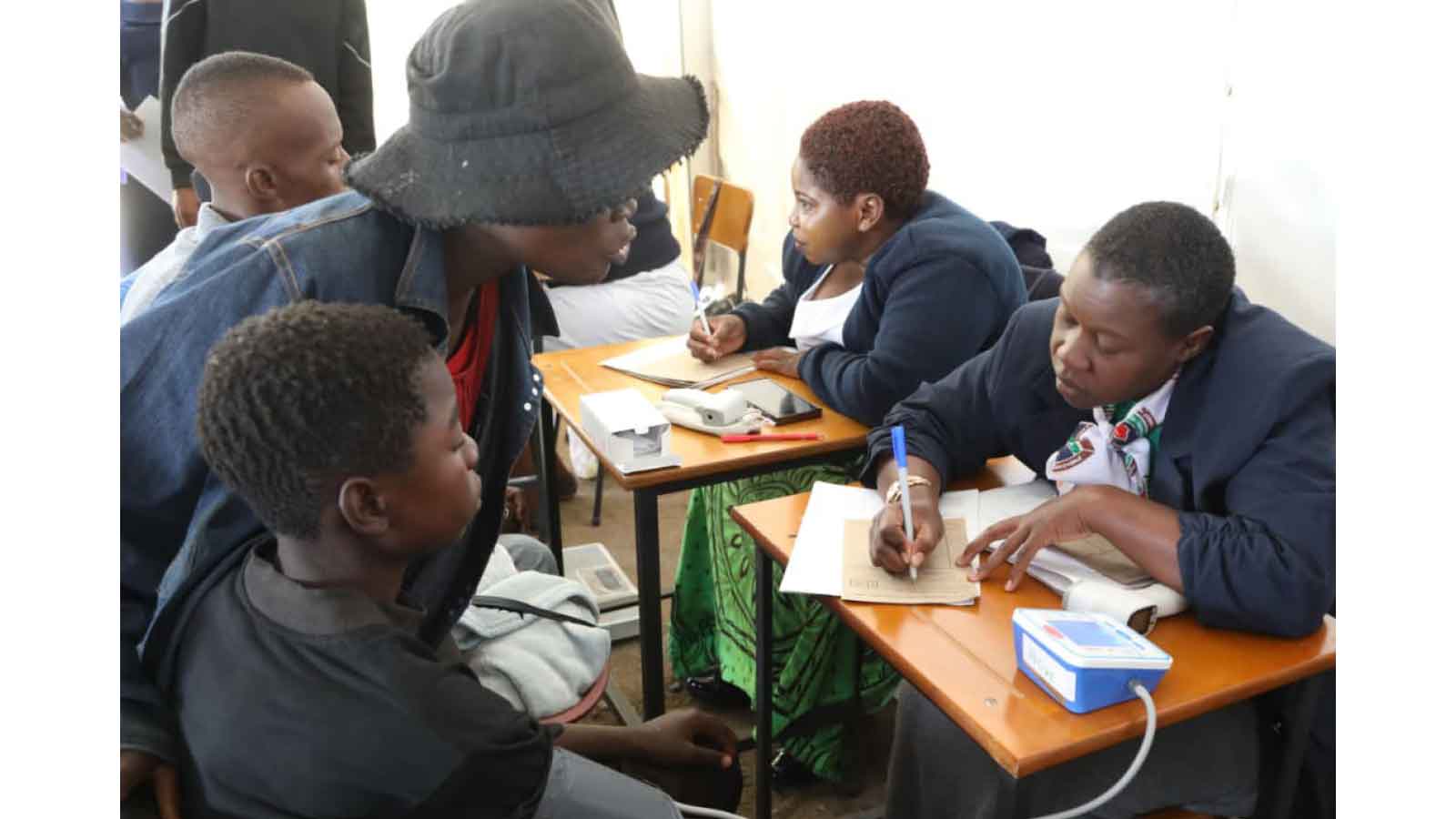
Dr Mnangagwa spent time interacting with families and guardians during the admission process, listening to their experiences and reassuring them that recovery was possible.
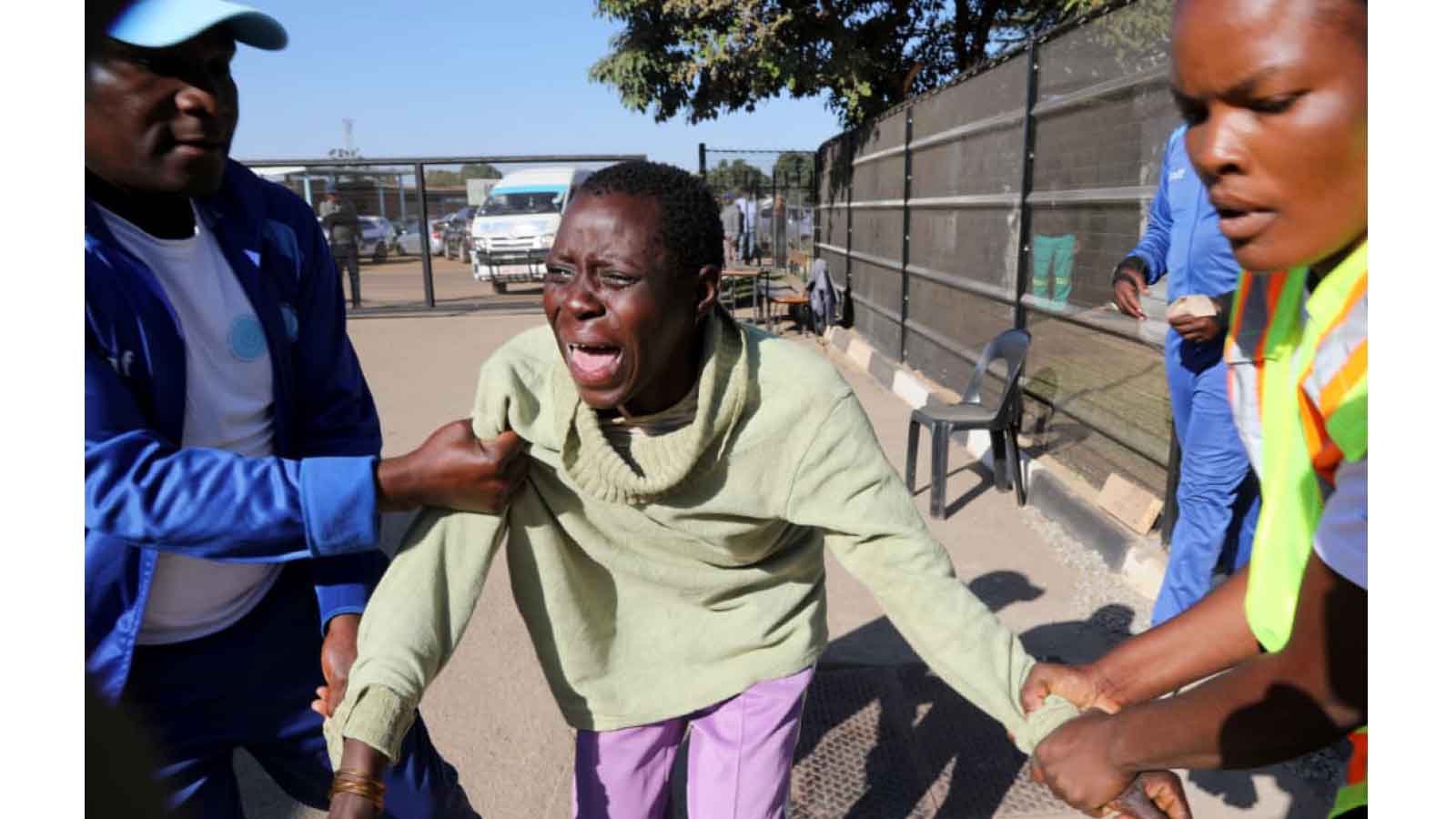
Mother Zimbabwe also took part in registering the new intake and encouraged families to remain supportive of their loved ones throughout the rehabilitation journey.
Addressing families, the First Lady said rehabilitation does not end with detoxification, as beneficiaries are later enrolled in vocational training programmes where they acquire practical skills that help them rebuild their lives and reintegrate into society as productive citizens.
The emotional scenes unfolding at the centre reflected the devastating toll that drug and substance abuse continues to exact on families across the country.
For Ms Chairani, the journey to Mbare followed years of anguish.
“It began with cigarettes. We realised something was wrong when his uncle’s cigarettes started disappearing. We tried everything we could to help him stop. He would spend entire nights talking to himself and became increasingly violent. At one point, he struck his uncle with a power bank.
“Even at work it was worse. When he received his salary, he would disappear for days without returning home. He was once accused of attempting to sexually assault a domestic worker. He was also arrested after coming home intoxicated and smashing windows with stones.
“Domestic workers were afraid of him and kept leaving. He was abusing crystal meth, BronCleer and other substances. We are grateful for this programme and hope it will transform his life,” she said.
Granny Edith Mabasa also reflected on how addiction had changed the life of a relative who once showed great promise.
“He was working in the commuter omnibus sector and was doing well. At first, we thought he was simply drinking alcohol, but we later discovered that he was taking tablets and crystal meth. He became aggressive and even threatened to assault me. At times, he claimed to be seeing strange things like goblins that were not there.
“With the help of my sister, we managed to bring him here. We just want him to become the person he used to be,” she said.
For one family, addiction transformed a younger brother into a stranger.
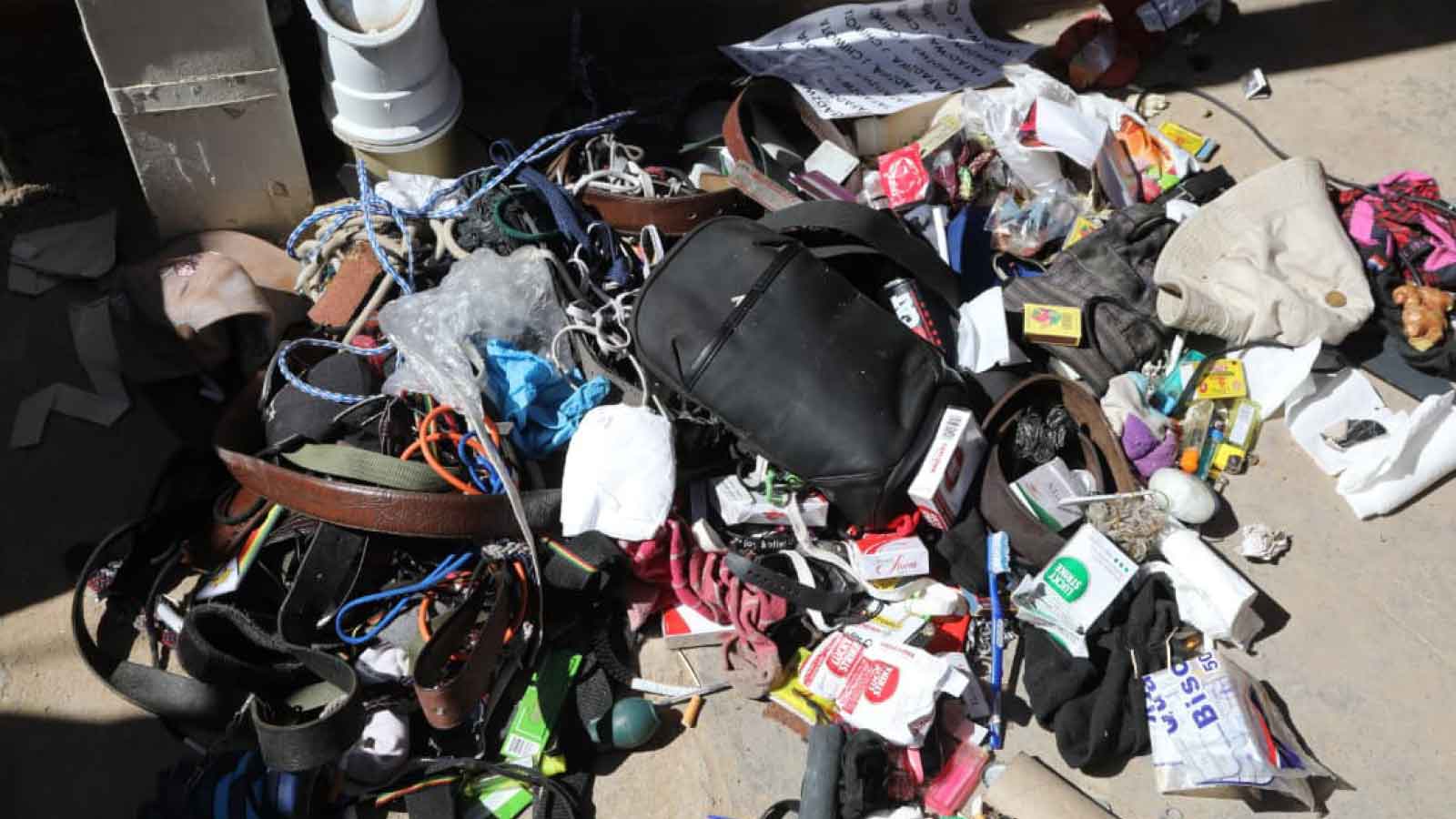
“The biggest challenge was that he stole almost everything he could lay his hands on. If he found the refrigerator unlocked, he would take meat and roast it with his friends. He sold plates and other household items. Even if you gave him money for necessities, he would spend it on drugs.
“He also vandalised household facilities, including the toilet system. We heard about the rehabilitation programme on the radio and decided to seek help,” said a guardian.
Another parent said drug abuse had robbed her child of a promising future.
“My child abandoned school because of drugs. We were forced to keep him under constant supervision because he would wander off and sometimes sleep in unknown places. He was studying at the Harare Polytechnic before his life took a downward turn.
“We heard that many people were being assisted through this programme, so I decided to bring him here in the hope that he can be helped,” she said.
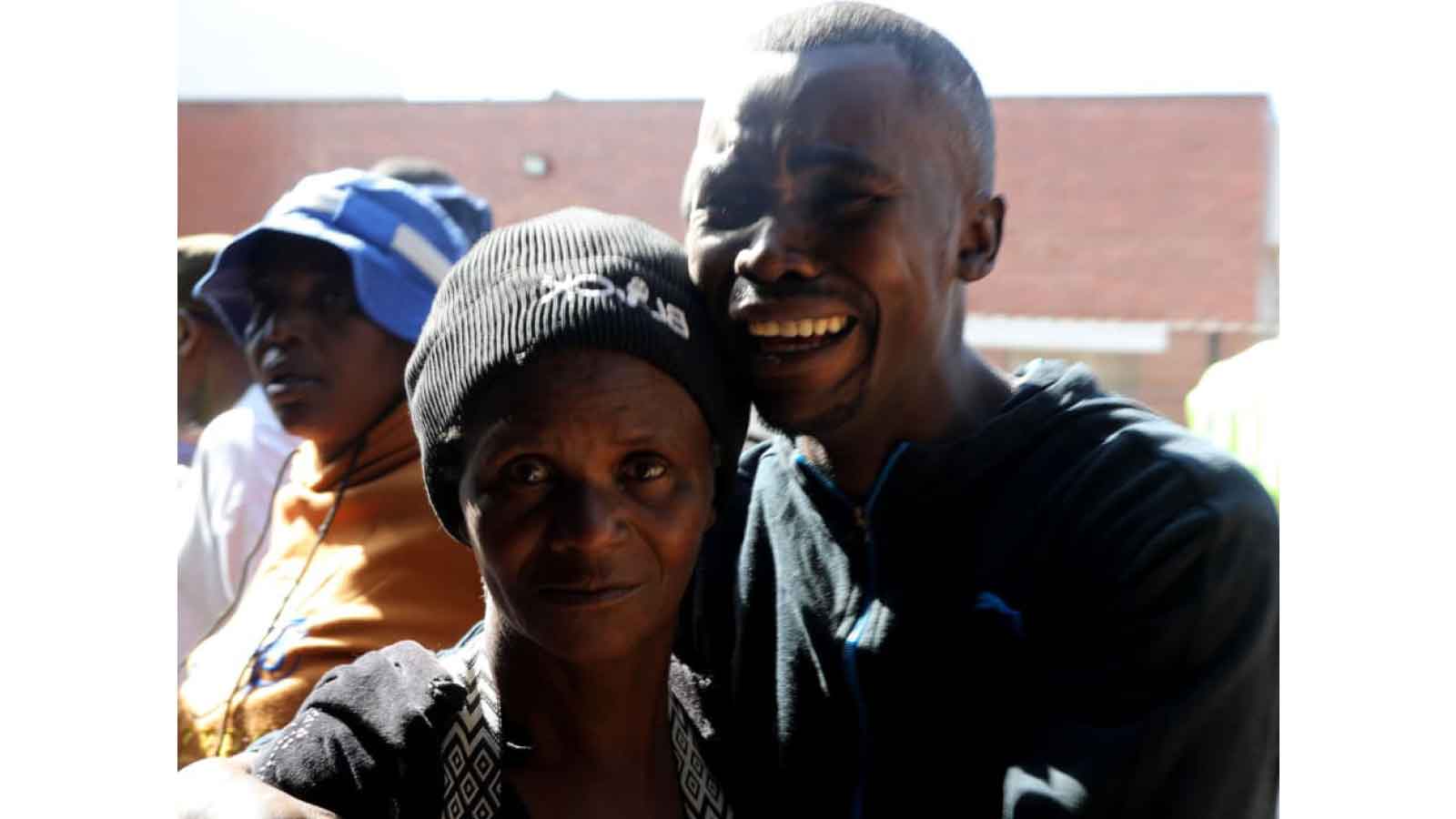
Mr Maxwell Chimutsa said his younger brother’s addiction had taken a severe toll on both his health and the family.
“He is the youngest of seven brothers. The drugs caused endless problems for the family. He would disappear from home for days without informing anyone where he was. His health deteriorated significantly and he stopped eating properly.
“We are hopeful that this rehabilitation programme will help him rebuild his life,” he said.
The eighth intake comes amid growing demand for rehabilitation services as communities continue to grapple with the devastating effects of drug and substance abuse, particularly among youths.
Beneficiaries will undergo structured rehabilitation programmes that include counselling, life-skills training, vocational education and recreational activities designed to support long-term recovery.
The programme continues to record positive outcomes, with many former beneficiaries now engaged in income-generating projects, employment and further education after successfully completing rehabilitation.
As admission continued throughout the day, the queues outside the centre told a story far bigger than numbers.
They spoke of mothers and fathers who refuse to give up on their children.
They spoke of grandparents carrying burdens they never imagined would define their twilight years.
And above all, they spoke of hope, hope that behind the gates of the rehabilitation centre, broken lives can be rebuilt, dreams restored and families reunited.
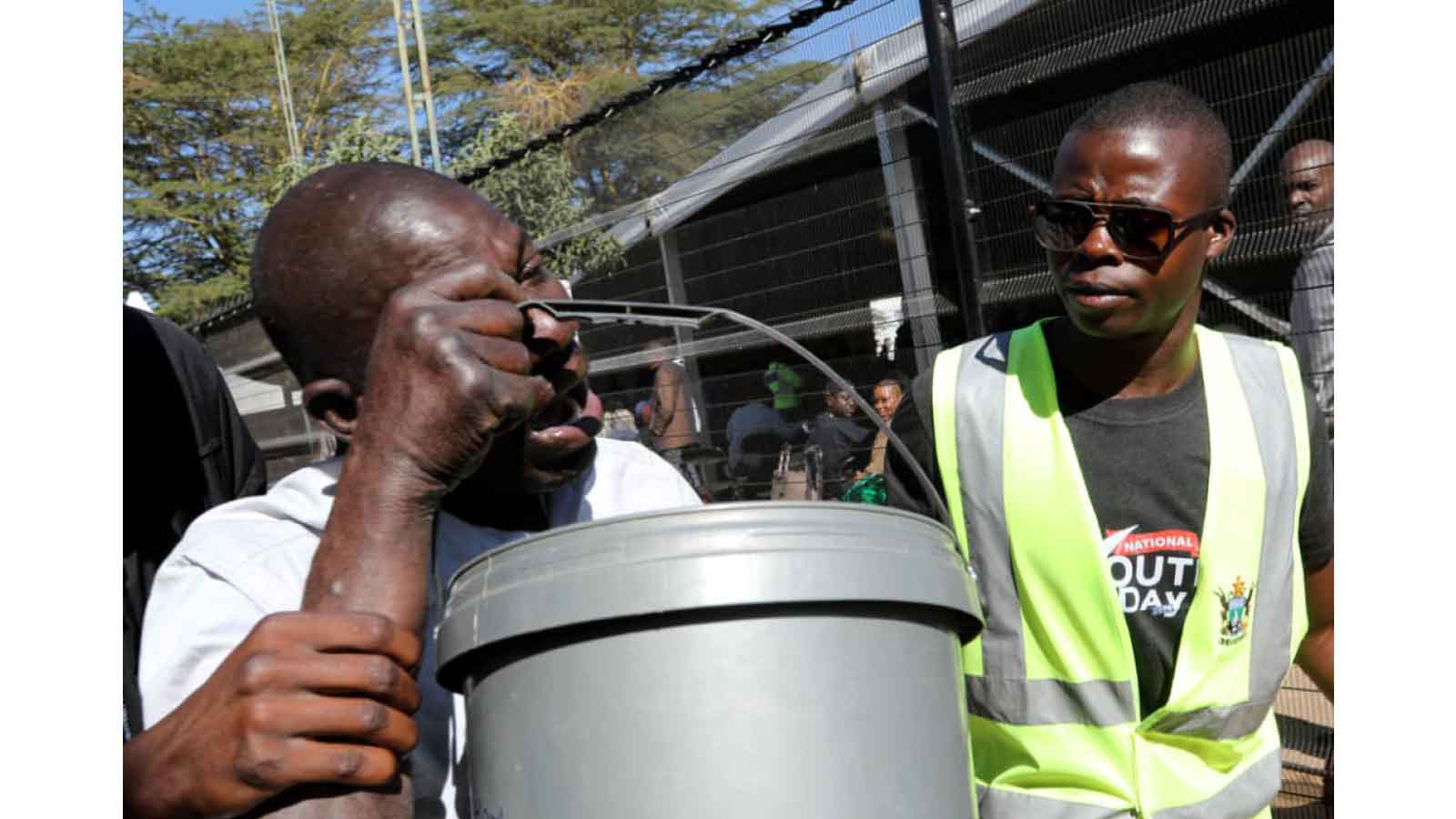
For the scores of Zimbabwean families gathered in Mbare yesterday, the admissions process marked more than the beginning of another intake.
It marked the beginning of a second chance.


If taking drugs and peddling in drugs are criminal offences, why don’t these louts go to jail? Are we saying if robbers and murderers come forward confessing to their criminal activities, we should put them into rehab and not prison (Correctional Services would like to make us believe that prisons are rehabilitation centres)? Why don’t we throw these drug addicts into prisons with other criminals and let them be rehabilitated there? A quick survey will show that more and more youths are indulging in drugs with a view that they will be rehabilitated anyway. These rehabs aren’t doing us any good.