Online Reporter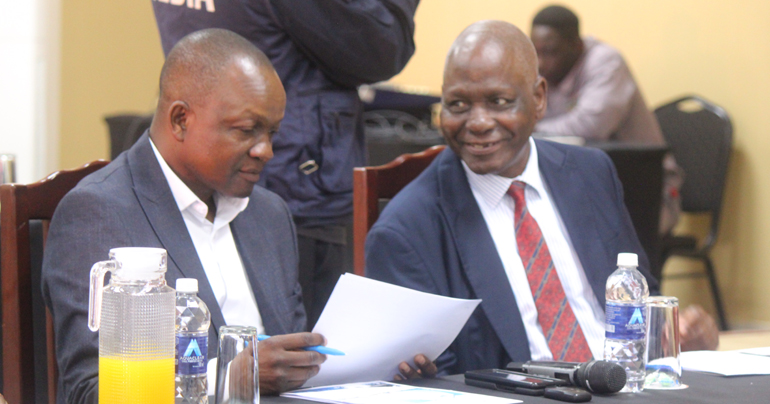
Tendai Gukutikwa
Post Reporter
TRADITIONAL leaders in Manicaland have been urged to strengthen unity, uphold cultural values and intensify efforts to address challenges affecting communities as they continue playing a pivotal role in grassroots development.
The call was made during the Manicaland Provincial Assembly of Chiefs meeting held in Mutare earlier this week, where Government officials and traditional leaders deliberated on ways of strengthening the institution of traditional leadership and enhancing community development initiatives.
Addressing the gathering, Local Government and Public Works Minister, Honourable Daniel Garwe, said traditional leaders remain critical partners in ensuring that Government programmes reach every community.
“Chiefs, as custodians of our culture and community leaders, have a constitutional obligation to preserve Zimbabwe’s traditions while supporting initiatives aimed at improving the livelihoods of citizens,” he said.
Minister Garwe commended traditional leaders for their contribution to rural development, and encouraged them to continue working closely with the Government in promoting agriculture, food security, environmental conservation, public health, education, disaster management and community development.
“Traditional leaders play a critical role in ensuring that national programmes are effectively implemented at community level because they are closer to the people and understand the challenges affecting their communities,” he said.
He also urged chiefs to continue promoting peace, resolving disputes amicably and ensuring that matters of traditional leadership are handled in accordance with the law.
Minister of State for Manicaland Provincial Affairs and Devolution, Advocate Misheck Mugadza, said traditional leaders remain central to the province’s socio-economic development agenda.
He said chiefs are key partners in mobilising communities to actively participate in Government programmes and ensuring that development initiatives reach intended beneficiaries.
“Traditional leaders are the foundation of community development because they understand the needs and aspirations of the people they serve.
‘‘Their support is critical in ensuring that development programmes achieve their intended objectives,” said Minister Mugadza.
He added that Government values the strong relationship between traditional leaders and other stakeholders in promoting peace, unity and sustainable development.
“As a province, we appreciate the work being done by our chiefs in maintaining peace and supporting development initiatives. We encourage continued collaboration as we work towards improving the lives of our communities,” he said.
President of the National Council of Chiefs, Chief Lucas Khumalo, reaffirmed traditional leaders’ commitment to work with the Government and communities to address social and developmental challenges.
He said chiefs will continue safeguarding the country’s cultural heritage, while embracing programmes aimed at improving the wellbeing of their subjects.
“The institution of traditional leadership has evolved over the years and remains relevant in addressing contemporary challenges. We have a responsibility to preserve our culture, while supporting initiatives that bring meaningful development to our communities,” said Chief Khumalo.
“Chiefs must continue to be examples of leadership, unity and service.”
Senator Chief Mutasa called on traditional leaders to remain united and focused on serving their communities despite challenges facing the institution.
He said chiefs have a responsibility to protect cultural values, promote social harmony and ensure that communities remain organised and resilient.
“We must continue working together as chiefs because unity strengthens our institution. The challenges affecting our communities require collective efforts and a shared commitment to finding lasting solutions,” he said.
Chief Mutasa urged traditional leaders to engage communities on key social issues, including the eradication of harmful practices, environmental protection and the empowerment of young people through productive economic activities.
He also emphasised the importance of respecting traditional structures and fostering cooperation among chiefs.
“Traditional leadership is built on respect, collaboration and mutual support. We must continue advising one another and working together for the benefit of the people we serve,” he said.
Chief Mutasa described the provincial assembly as an important platform for traditional leaders to reflect on their responsibilities, exchange ideas and address issues affecting their communities and the institution of traditional leadership.
“Let us use this platform to openly discuss matters affecting our communities and come up with solutions that promote peace, development and unity. Our people look up to us for guidance, and we must continue providing responsible leadership,” he said.
He encouraged traditional leaders to remain committed to their constitutional mandate and work closely with Government departments, local authorities and other stakeholders in advancing development.
The meeting also provided an opportunity for chiefs to deliberate on chieftainship matters, traditional leadership disputes and other issues affecting the institution.
The chiefs pledged to continue supporting initiatives aimed at building peaceful, united and resilient communities in line with Zimbabwe’s development aspirations.