admin
admin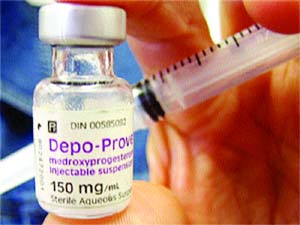
While hormonal contraception includes both oral and injectable forms of birth control, the findings were most pronounced for women using injectables, like Depo-Provera, the study said.
“These findings have important implications for family planning and HIV-1 prevention programmes, especially in settings with high HIV-1 prevalence”, said study researcher Jared Baeten, of the University of Washington. HIV-1 is the prevalent subtype of HIV.
“Recommendations regarding contra-ceptive use, particularly emphasising the importance of dual protection with condoms and the use of non-hormonal and low-dose hormonal methods for women with or at risk for HIV-1, are urgently needed”, said study researcher Renee Heffron, also of the University of Washington.
More than 140 million women worldwide use hormonal contraception, such as daily oral pills and long-acting injectables, the study said.
A large proportion of the 16 million women living with HIV in sub-Saharan Africa also use hormonal contraception.
The new study included 3 790 heterosexual couples in which one partner was HIV positive and the other was not. The couples were from seven African countries (Botswana, Kenya, Rwanda, South Africa, Tanzania, Uganda and Zimbabwe).
Women using hormonal contraceptives were twice as likely to become infected with HIV. The risk was increased among those using injectable and oral contraceptives, although the increase seen in those using oral contraceptives was smaller and may have been due to chance.
Additionally, women who were HIV-positive at the beginning of the study and using injectable contraception were twice as likely to transmit the virus to their male partners as
women who did not use hormonal contraception.
The results held even after researchers took into account factors that could affect the HIV transmission rate, such as whether the woman was pregnant, and whether condoms were used.
It’s possible hormonal contraception causes biological changes, such as changes to the cells that line the vagina or cervix, that influence susceptibility to HIV, the researchers said. — Women’s Health on MSNBC.


 Online Reporter