admin
admin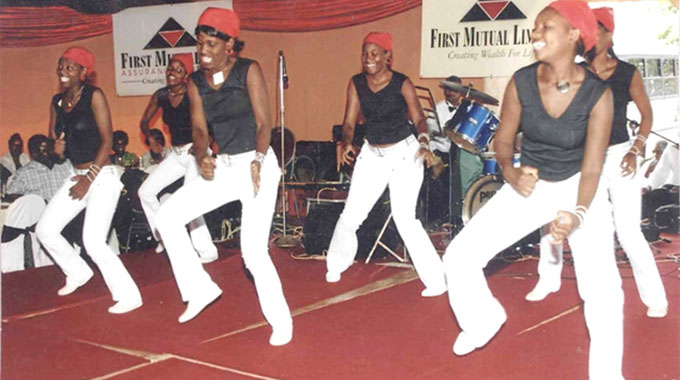
Nyore Madzianike Senior Arts Reporter
THE new millennium brought with it a wave of all-female dance troupes that took the entertainment scene by storm.
These dance troupes burst into the limelight between 2004 and 2006 with superbly-choreographed moves on stage.
Mambokadzi Dance Group, Girls la Musica, Casamoto, Casablanca, Girls of Peace, Girls la Ghettos, Amavithikazi, Exotic and Mafalafala were the most sought after dance groups of that time.
These groups stamped their dominance in the dance arena as they started attracting the attention of musicians, who would take them aboard for their live shows.
Their popularity, largely in Harare and Bulawayo, grew to the extent that they started staging their own shows in various joints, where they commanded a huge following, especially among male fans.
From the frequency of their shows, it was clear they were pocketing at least enough money to sustain themselves.
Some of the dance outfits caught the eye of musicians who featured them on their videos, like Joseph Garakara, Gift Amuli, Dino Mudondo and Paradzai Mesi, among others.
It was no doubt that they had discovered a niche market on the entertainment scene, which could have made them big brands, even up to this day.
But where did these dance ensembles lost the plot? How did they fail to stand the test of time considering their yesteryear popularity and dominance?
Of course, there are many factors that can be coined to explain their demise that includes death among members, waning dance routines and ageing.
Poor management and the emergence of a new crop of dance outfits like Beverly Sibanda’s Sexy Angels, Zoey and others cannot be dispelled.
Former Mambokadzi manageress Enesia Mushusha believes lack of appreciation and support by society led to the downfall of the all-female dance groups.
“Women in arts in our country are looked down upon and they are not afforded the same platform as our male counterparts, even some female artistes have that pull her down syndrome,” she said.
Mushusha said male promoters played a big part in bringing those outfits down.
“I will not mention names, but they will get in extra-marital affairs with the girls and would influence negatively on other working strategies.
“Instead of building, they destroyed what was already built, and also as from what I have gathered from my online show, The A List, most of the service providers are abusing their positions.
“It is a ‘tanga wandida first’ thing, so that you get a show.
“This would mean shows were no longer booked on merit, but on what you as a female dancer can offer,” she said.
Mushusha said it then resulted in half-baked productions.
She also believes the country’s citizens were never ready for female entertainers during that time, which she said saw a few groups being nominated for awards.
“This in itself de-motivates women. There is no zeal to push them to do better because they feel they are not being appreciated.



 Online Reporter