

 admin
admin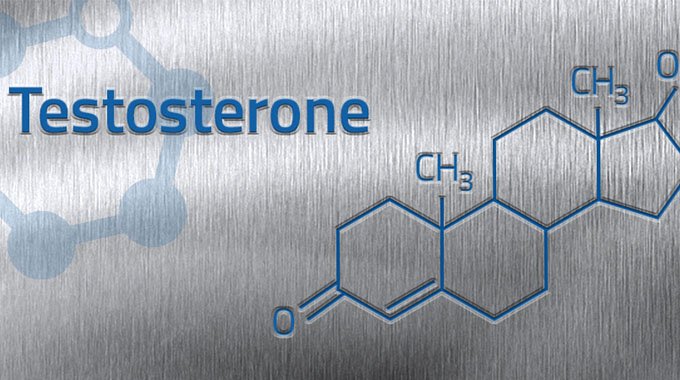
What is testosterone? Testosterone is the primary male sex hormone and androgen.
In humans, testosterone plays a key role in the development of male reproductive tissues such as testicles and prostate, as well as promoting secondary sexual characteristics such as increased muscle and bone mass and the growth of body hair.
It is associated with increased aggression, dominance and a wide range of behavioural characteristics. In addition, testosterone in both sexes is involved in health and well-being, where it has a significant effect on overall mood, cognition, social and sexual behaviour, metabolism and energy output, the cardiovascular system and in the prevention of osteoporosis. Insufficient levels of testosterone in men may lead to abnormalities including frailty, accumulation of adipose fat tissue within the body, anxiety and depression, sexual performance issues and bone loss.
I can offer some general suggestions that may help support overall health, including testosterone levels. However, it’s crucial to consult with a healthcare professional for personalised advice.
Here are some lifestyle factors that may contribute to overall well-being, which can indirectly impact testosterone levels : Regular exercise: Engage in both aerobic (cardio) and strength training exercises.High-intensity interval training (Hiit) may be beneficial.
Adequate sleep: Ensure you get enough quality sleep each night (seven to nine hours for most adults).
Balanced diet: Include a variety of nutrient-dense foods. Ensure sufficient intake of vitamins and minerals, especially zinc, vitamin D and omega-3 fatty acids.
Maintain a healthy weight: Being overweight may negatively impact testosterone levels.
Stress management: Chronic stress can contribute to hormonal imbalances.
Practice stress-reducing techniques such as meditation, yoga, or deep breathing.
Limit alcohol and avoid excessive smoking: Excessive alcohol and smoking can negatively affect testosterone levels.
Adequate vitamin D: Ensure you are getting enough vitamin D, either through sunlight exposure or supplements if needed.
Healthy fats: Include sources of healthy fats in your diet, such as avocados, nuts and olive oil.
Minimize sugar intake: High sugar consumption may lead to insulin resistance, which can impact testosterone levels.
Avoid endocrine disruptors: Minimise exposure to environmental toxins and endocrine-disrupting chemicals.
It’s essential to approach any efforts to improve testosterone levels with caution and under the guidance of a healthcare professional.
They can conduct proper assessments and provide personalized recommendations based on your health status and needs.
-If you suspect a hormonal imbalance, consulting with a healthcare provider is crucial for accurate diagnosis and appropriate treatment. (source: www.quora.com)


 Online Reporter