admin
admin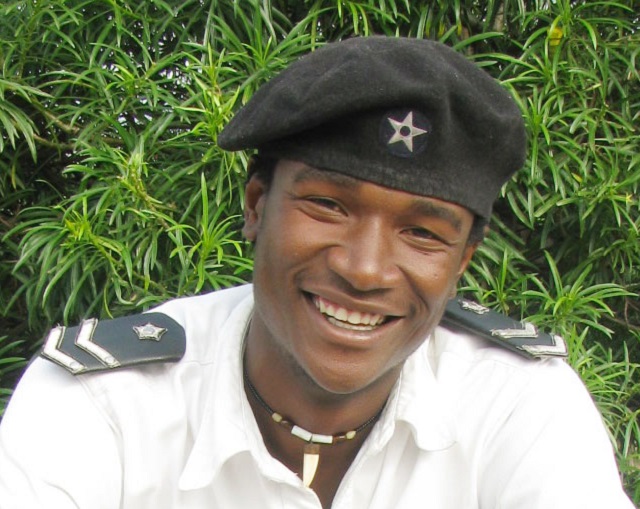
Bruce Ndlovu
In the aftermath of celebrations of his victory at the recently held MTV MAMAs, questions have been asked about why Jah Prayzah failed to attend the ceremony that effectively crowned him as one of Africaa��s artistes to watch.
His absence seemed an odd misstep for a man who has thus far been sure footed in his march towards continental superstardom.
His victory came in the backdrop of years of cries by Zimbabwean fans and artistes alike that the country was getting the short end of the stick from MTV and its cousins in the music section of the various DSTV bouquets.
The reason for this is that African music content is dominated by the two countries, which took the baton left by Democratic Republic of Congo artistes when Rhumba faded and took swift flight with it.
While there is no denying the hit-making ability of artistes from these two countries, it would also be folly to dismiss the fact that the invasion of DSTV into African homes in the new millennium has also given the extra push to swim clear of the competition.
The reason for the airplay that artistes from those countries enjoy doesna��t boil down to a Davidoa��s style or Cassper Nyovesta��s charisma, as by providing a bulk of the subscribers and advertisers on DSTV, people in Nigeria and South Africa ensure that they get to see their biggest stars.
With big populations and two of the biggest economies in Sub-Saharan Africa, this result is inevitable.
So in such a scenario where commerce ultimately outshines art, how did Jah Prayzah break the South Africa, Nigeria stranglehold and join the list of artistes from other African countries that have also managed to squeeze themselves into this sacred galaxy of stars?
Jah Prayzah benefited from having a clear vision of what he wanted to do even before his album release. As a man who has seen and done it all in Zimbabwe, it was clear that the mountain he needed to climb next lay outside the countrya��s borders. Before anything else, solid, relatable music is what people want and with the Africa mind he tweaked his sound just enough to appeal to African listeners.
This was a tightrope walking act from Jah, as he needed to make a sound engaging enough to appeal to an ear in Lagos as it does to one in Harare. It was a delicate juggling act and had he failed to steer his ship correctly his core fans might have jumped ship while he could have also failed to win over new fans.
a�?We are trying to have different sounds and I am optimistic that the trick will work out,a�? he said a few months before the release of the album.
With Watora Mari Jah Prayzah found the right intoxicating blend, and the accompanying video ticked all the right boxes for the market that he was targeting. Instead of the grainy videos that continentally inclined artistes have been advised against making, Jah Prayzah pulled out all the stops for what has to be one of the most visually pleasing and conceptually clear cut videos of the year.
The video also saw a corresponding image change for Prayzah, who ditched his army regalia for some fine cut from fabrics which betrayed the deft hands of fine designers behind them.
The a�?sojaa�? regalia served Jah Prayzah well on his ascent to the top of the pile in Zimbabwean music, but if he was to impress fashion savvy MTV and Channel O watching types it needed to go.
While simple economics elbows many African artistes from those two channels as they are outmuscled by South African and Nigerian juggernauts, Prayzah showed in this instance that Zimbabwean money can talk just as loud as the Rand and the Naira.
Getting Diamond Platinumz to feature on a song was a coup, as he has the necessary pull to put any African that features on his song on the map. However, as one of the highest selling artistes on the continent he does not come cheap, as exhibited by the fact that the song and video were both made on his Tanzanian turf where their speculated cost was estimated to be over $40 000.
a�?If you really want the top African spot you will need to choose between driving a fancy beamer or investing in yourself which might feel risky for most artists,a�? said Buffalo Souljah, another Zimbabwean that is no stranger to African accolades.
These are words of wisdom that Jah Prayzah seems to have taken to heart, but it remains to be seen whether other Zimbabwean artistes have the resources or ability to follow his example.



 Online Reporter