

 admin
admin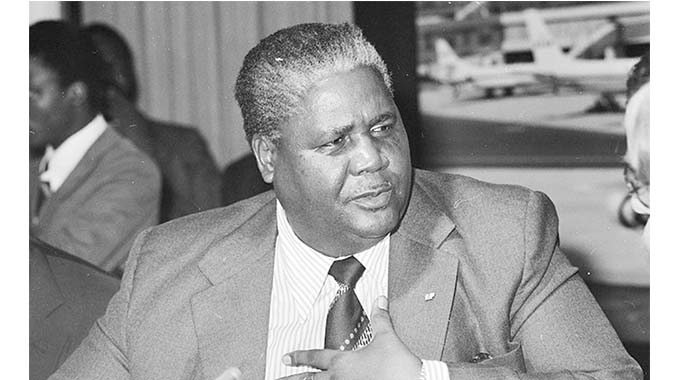
Raymond Jaravaza
TWO football rivals, sworn enemies on and off the pitch with distinct names — Mashonaland United and Matabeleland Highlanders — that bordered on the tribal made revered nationalist and freedom fighter Dr Joshua Mqabuko Nyongolo Nkomo uncomfortable.
The late Father Zimbabwe believed football was a unifier but the names were causing divisions among African people, especially at a time when the country was fighting the Ian Smith regime for Independence.
Dr Nkomo and Dr Herbert Ushewokunze (also late) decided to do something about it and the process to change the names of the biggest football clubs in the region began.
Modern day Highlanders was originally called Lions Football Club after it was established by King Lobengula’s grandsons Albert and Rhodes Khumalo and later changed to Matabeleland Highlanders in 1937.
Ndumiso Gumede, who served in the Highlanders structures as early as the 1970s as the club’s representative in Harare said Dr Nkomo was adamant that the names Matabeleland Highlanders and Mashonaland United were divisive.
“Dr Nkomo was a visionary leader who was against tribal and racial segregation and he was adamant that instead of football uniting black people club names such as Mashonaland United and Matabeleland Highlanders were doing the opposite.
“Umdala had problems with Zimbabwe Saints because of the team’s initial name (Mashonaland United), which he believed had tribal undertones and in 1975 both teams’ names were changed, all credit to Dr Nkomo,” said Gumede.
Gumede — now the Highlanders president — served the club in various positions and his involvement in the club affairs was instrumental in Bosso acquiring properties such as the club office along Robert Mugabe Way and the clubhouse.
Pamire, a former Zimbabwe Saints chairman, whose involvement with Chauya Chikwata started in the 1980s, remembers how Dr Nkomo was instrumental in cooling down tempers at the funeral of Highlanders anchorman Titus Majola, who died in an unfortunate nightclub stabbing incident in 1989.
“Emotions were running high, people were angry after Titus Majola died and because Dr Nkomo understood that football was supposed to unite people and not divide them, he personally went to the funeral in Makokoba suburb and managed to cool down tempers. It was so incredible how he managed to make people see reason that the death of Majola was an unfortunate incident,” he said.
The rivalry between the two teams used to be so intense that fights between the two sets of supporters broke out as soon as the fixtures were released.
People reportedly fought at their places of work in Belmont and Donnington industrial sites.
Pamire said Dr Nkomo was the kind of leader whose ability to unite people would be greatly missed.


 Bongani Ndlovu
 Online Reporter